
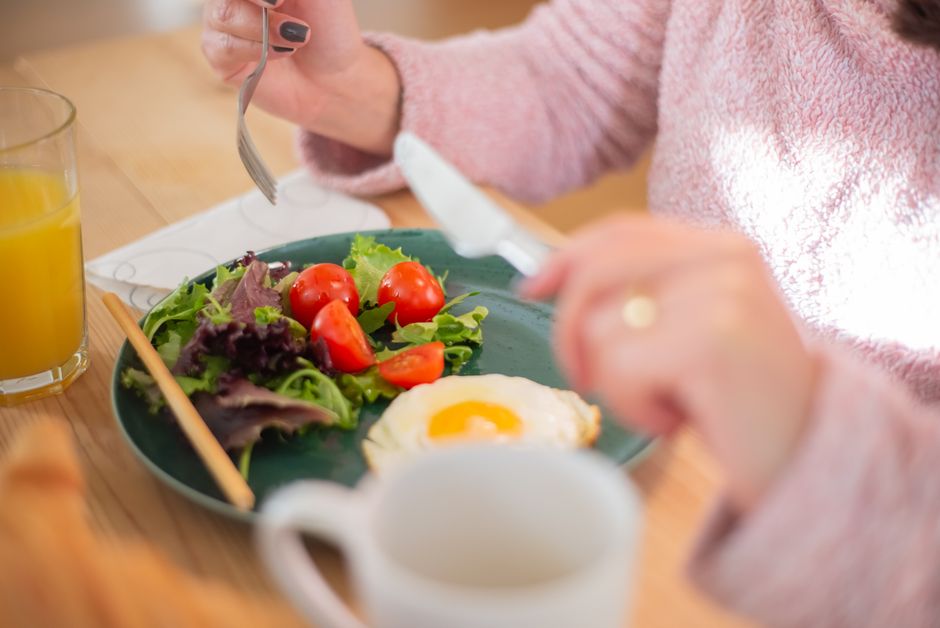
Eggs contain iron, but the amount and how well your body uses it depends on several factors. A large egg has about 0.9 milligrams of iron, mostly in the yolk. This is a modest amount compared to foods like red meat or spinach. The iron in eggs is heme iron, which your body absorbs more easily than the non-heme iron found in plants. However, eggs also contain a protein called phosvitin that can reduce iron absorption. So while eggs do provide iron, they are not the most concentrated source, and how much you actually get from them varies.
How Much Iron Is in an Egg?
A single large egg (about 50 grams) contains roughly 0.9 milligrams of iron. The yolk holds almost all of it — about 0.8 milligrams. The white has only trace amounts. To put this in perspective, a 3-ounce serving of beef has about 2.5 milligrams of iron. A cup of cooked spinach has about 6.4 milligrams.
The United States Department of Agriculture (USDA) food database confirms these numbers. For most adults, the recommended daily intake of iron is 8 milligrams for men and 18 milligrams for women. One egg provides roughly 5-11% of that need, depending on your sex and age.
If you eat two eggs for breakfast, you get about 1.8 milligrams of iron. That is a useful amount, but not a major source. For comparison, a bowl of iron-fortified cereal can have 18 milligrams per serving. Eggs are a decent contributor, not a primary solution for iron deficiency.
Does the Type of Iron in Eggs Matter?
Yes, it matters a lot. The iron in egg yolks is heme iron. This is the same type found in meat, poultry, and fish. Your body absorbs heme iron about 15-35% of the time. Non-heme iron from plants is absorbed at only 2-20%. So the heme iron in eggs is more bioavailable than the iron in spinach or beans.
But there is a catch. Egg yolks also contain phosvitin, a phosphoprotein that binds to iron. This binding can reduce how much iron your body actually absorbs from the egg. Research published in the American Journal of Clinical Nutrition has shown that phosvitin can lower iron absorption by up to 50% in some cases. So while the iron type is favorable, the egg itself partly blocks its own iron.
The net effect is that eggs provide a moderate amount of reasonably absorbable iron. They are not as effective as red meat for iron delivery, but they are better than most plant sources when eaten alone.
Does Cooking Eggs Change Their Iron Content?
No. Cooking does not destroy iron. Iron is a mineral, not a vitamin, so heat does not break it down. A hard-boiled egg has the same amount of iron as a scrambled egg or a poached egg. The cooking method does not change the iron content.
What cooking can change is how much iron you get from other foods eaten with the egg. For example, cooking eggs in a cast-iron skillet can add a small amount of iron to the egg. This is not a major effect, but it is real. One study found that cooking acidic foods in cast iron can increase iron content by up to 20%. Eggs are not very acidic, so the effect is smaller.
Also, cooking eggs with vitamin C-rich foods can improve iron absorption. Adding a squeeze of lemon or serving eggs with bell peppers or tomatoes can help your body use the iron better. Vitamin C converts non-heme iron into a more absorbable form. Since eggs contain both heme and a small amount of non-heme iron, this strategy helps.




Can Eggs Help with Iron Deficiency?
Yes, but only as part of a balanced approach. If you have mild iron deficiency, eating eggs regularly can contribute to your iron intake. The heme iron in eggs is better absorbed than plant iron. But eggs alone will not correct moderate to severe deficiency.
The Centers for Disease Control and Prevention (CDC) recommends that people with iron deficiency focus on heme iron sources like red meat, poultry, and fish. Eggs are a secondary source. For vegetarians who eat eggs, they become a more important source because plant iron is harder to absorb.
One thing many people miss: eating eggs with foods that block iron absorption reduces their benefit. Coffee, tea, and calcium supplements can all lower iron absorption. If you drink coffee with breakfast eggs, you may absorb less iron from the meal. Spacing these out by an hour or two helps.
For pregnant women, who need 27 milligrams of iron daily, eggs alone are not enough. Prenatal vitamins and iron-rich foods like meat, beans, and fortified grains are necessary. But eggs remain a useful addition to a varied diet.
Does Egg White or Yolk Have More Iron?
The yolk has nearly all the iron. A large egg yolk contains about 0.8 milligrams of iron. The white has less than 0.1 milligrams. If you eat only egg whites for protein, you are getting almost no iron from that part of the egg.
This matters for people who avoid yolks due to cholesterol concerns. While egg whites are low in calories and high in protein, they are not a source of iron. If you eat egg whites only, you need to get iron from other foods. The yolk is where the minerals are.
Some people worry about the cholesterol in yolks. Current evidence from the American Heart Association suggests that for most people, dietary cholesterol from eggs has a small effect on blood cholesterol. One whole egg per day is considered safe for heart health. If you have diabetes or heart disease, talk to your doctor. But for most people, the nutritional benefits of the yolk — including iron — outweigh the cholesterol concern.
Comparison of Iron Sources
| Food | Serving Size | Iron (mg) | Absorption Type |
|---|---|---|---|
| Beef liver | 3 oz | 5.0 | Heme |
| Cooked spinach | 1 cup | 6.4 | Non-heme |
| Large egg | 1 egg | 0.9 | Heme |
| Chicken breast | 3 oz | 1.0 | Heme |
| Kidney beans | 1 cup | 3.9 | Non-heme |
| Iron-fortified cereal | 1 cup | 18.0 | Non-heme (fortified) |
Eggs sit in the middle of the table. They are not the highest source, but their heme iron gives them an absorption advantage over plant foods. Fortified cereals have much more iron, but it is non-heme and often less well absorbed. The table shows that eggs are a modest but real contributor to daily iron needs.
What to Avoid When Eating Eggs for Iron
- Calcium-rich foods at the same meal. Calcium blocks both heme and non-heme iron absorption. Avoid drinking milk or taking calcium supplements with your eggs. Wait at least one hour.
- Coffee and tea. Tannins in these drinks reduce iron absorption. If you drink them with breakfast, you may get less iron from your eggs. Have your coffee 30-60 minutes after eating.
- High-fiber foods like whole grains. Phytates in bran, oats, and whole wheat bind iron and lower absorption. Eating eggs with white toast may allow better iron uptake than with whole grain bread.
- Oxalate-rich vegetables. Spinach, Swiss chard, and beet greens contain oxalates that block non-heme iron. Since eggs have some non-heme iron, pairing them with these greens reduces total iron absorption. Cook the greens to lower oxalates.
These are not reasons to avoid healthy foods. They are timing strategies. If you want to maximize iron from eggs, separate these foods by an hour or two. Add vitamin C foods like citrus, tomatoes, or bell peppers to the meal instead.
Frequently Asked Questions
Do eggs have more iron than meat?
No. A large egg has about 0.9 milligrams of iron, while a 3-ounce serving of beef has about 2.5 milligrams. Meat is a more concentrated source of heme iron than eggs.
Can I get enough iron from eggs alone?
No. You would need to eat 10-20 eggs per day to meet iron needs, which is not safe or practical. Eggs are a supplement to other iron sources, not a replacement.
Does eating egg yolks raise cholesterol?
For most people, dietary cholesterol from eggs has a small effect on blood cholesterol. The American Heart Association says one whole egg per day is safe for healthy adults.
Are brown eggs higher in iron than white eggs?
No. Shell color does not affect iron content. The breed of the hen determines shell color, but the nutritional composition of the egg is nearly identical regardless of shell color.
