
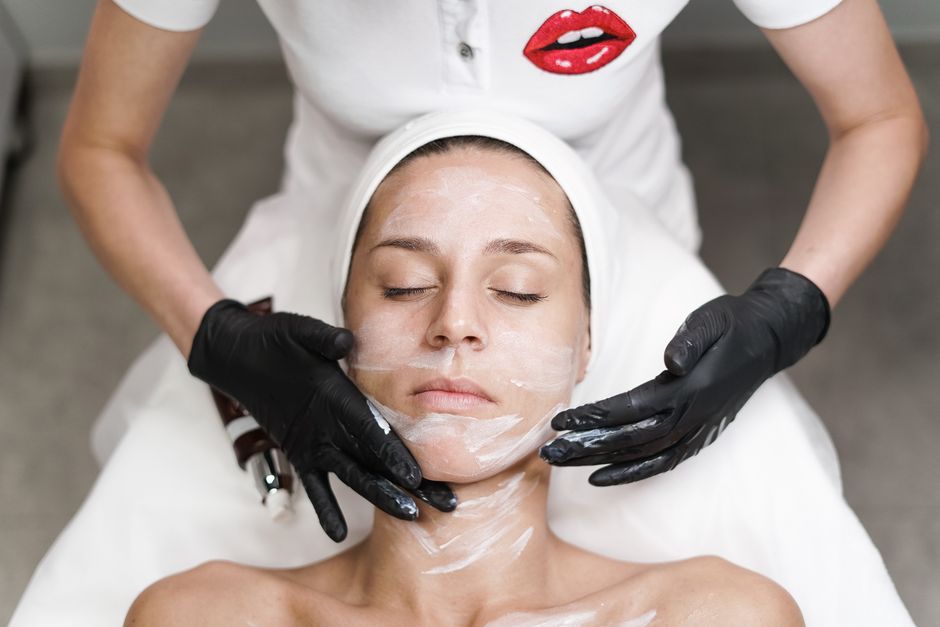
Starting a skin care routine can feel overwhelming, especially with endless products and advice online. The key is to ignore the noise and focus on a simple, science-backed foundation. For a total beginner, the goal is not perfection but consistency with a few basic products that protect your skin’s natural barrier. Begin with a gentle cleanser, a moisturizer, and a sunscreen, and build your routine from there.
Why Do You Need a Skin Care Routine at All?
Your skin is your body’s largest organ. It acts as a protective barrier against bacteria, pollution, and harsh weather. When that barrier is healthy, your skin looks calmer and more even. When it is damaged, you may see dryness, redness, or breakouts.
A basic routine helps maintain this barrier. It does not need to be complicated. In fact, doing too much can cause more harm than good. Over-washing or using too many active ingredients can strip your skin of its natural oils, leading to irritation.
What Are the Three Essential Steps for a Beginner?
Every skin care routine, no matter how advanced, starts with the same three steps. These are the non-negotiable basics that dermatologists consistently recommend.
- Cleanser: This removes dirt, oil, and sweat from the day. Use it once in the morning and once at night.
- Moisturizer: This hydrates the skin and locks in water. It keeps the barrier strong and prevents dryness.
- Sunscreen: This protects against UV damage, which causes premature aging and skin cancer. Apply it every morning as the last step.
That is the entire foundation. If you do nothing else, these three products will make the biggest difference for your skin’s health.
How To Choose the Right Cleanser for Your Skin Type
Cleansers are not all the same. Picking the wrong one can leave your skin feeling tight, oily, or irritated. The goal is a cleanser that removes impurities without stripping your skin.
If your skin feels dry or flaky, look for a cream or lotion cleanser. These are gentle and add moisture. If your skin gets shiny by midday, a foaming or gel cleanser may work better. They remove excess oil more effectively. If your skin reacts easily to products, choose a fragrance-free formula labeled “gentle” or “for sensitive skin.”
One common mistake is washing your face too often. Twice a day is enough. Washing more frequently can dry out your skin and trigger more oil production.





Why Moisturizer Matters Even for Oily Skin
Many people with oily skin skip moisturizer because they think it will make them greasier. This is a misunderstanding. When your skin is stripped of moisture, it can actually produce more oil to compensate.
A lightweight, oil-free moisturizer can help balance your skin. It hydrates without clogging pores. Look for terms like “non-comedogenic” on the label, which means the product is formulated not to block pores.
For dry skin, a thicker cream may feel more comfortable. Apply moisturizer to slightly damp skin after cleansing. This helps lock in the water and improves absorption.
How To Get Into Skin Care As A Total Beginner: Start With Sunscreen
If you only adopt one habit, let it be daily sunscreen. This is the single most evidence-backed step for preventing visible aging and reducing skin cancer risk. Sun damage is cumulative, meaning it builds up over years of exposure.
You need a sunscreen with broad-spectrum protection, which guards against both UVA and UVB rays. An SPF of 30 or higher is the standard recommendation. Apply it every morning as the last step of your routine, even on cloudy days. UV rays penetrate clouds and windows.
You should use enough to cover your entire face and neck. A general guide is about a nickel-sized amount for your face. Reapplication every two hours is recommended if you are outdoors, but for daily office routines, a morning application is often sufficient.
What About Serums and Active Ingredients?
Once you are comfortable with the basics, you may want to add a serum. Serums contain higher concentrations of active ingredients. But for a beginner, they are optional, not essential.
If you are interested, vitamin C is a well-studied antioxidant that can brighten the skin and protect against environmental damage. It is typically used in the morning under sunscreen. Niacinamide is another popular option. It is known for helping with redness and oil control.
When introducing any new active ingredient, start slowly. Use it every other day at first to see how your skin reacts. Adding too many actives at once is a common cause of irritation. Always follow the product instructions.
How Long Until You See Results From a Skin Care Routine?
Skin is a slow organ. It takes time to show visible changes. You may see a difference in hydration within a few days of regular moisturizing. However, improvements in texture, tone, or breakouts take longer.
Most skin cells turn over roughly every 28 days, but this slows with age. A realistic expectation is to stick with a routine for at least six to eight weeks before judging its effectiveness. If a product causes stinging, burning, or a rash, stop using it immediately. That is a sign your skin does not tolerate it.
Common Beginner Mistakes To Avoid
Several habits can sabotage your efforts before you see results. Being aware of these can save you time and frustration.
- Starting too many products at once: If your skin reacts badly, you will not know which product caused it. Introduce one new product at a time.
- Using physical exfoliants too often: Scrubs with rough particles can create micro-tears in the skin. Limit physical exfoliation to once a week at most.
- Skipping patch tests: Test a new product on a small area of your jawline or behind your ear for a few days before applying it to your whole face.
- Following viral trends: Many social media trends are not backed by science. Stick to the basics that have decades of research behind them.
Does Skin Care Need To Be Expensive?
No. Price does not equal effectiveness. Many drugstore brands contain the same active ingredients as high-end luxury products. The main difference is often fragrance, packaging, or marketing.
Look for products that list their active ingredients clearly. You can save money by choosing fragrance-free options, as fragrance adds cost and is a common cause of irritation. A simple, affordable routine is more effective than an expensive one you cannot maintain.
When Should You See a Dermatologist?
A basic routine is appropriate for most people. But certain conditions require professional medical advice. If you have persistent acne that is not improving, severe redness, or any mole that changes in size, shape, or color, see a dermatologist.
They can diagnose underlying conditions and prescribe treatments that are stronger than anything available over the counter. Skin care is not a substitute for medical care.
How To Build a Night Routine
Your morning and night routines do not need to be identical. The morning focuses on protection, while the night focuses on repair and cleansing.
At night, you need to remove the day’s dirt, sweat, and sunscreen. A gentle cleanser is your first step. If you wear heavy makeup or waterproof sunscreen, you may need a separate oil-based cleanser first. This is called double cleansing.
After cleansing at night, apply your moisturizer. This is also the time to use any treatment products, like retinol, if you progress to that stage. Retinol is a vitamin A derivative that is well-studied for anti-aging, but it can cause irritation. It should only be started slowly and used at night.
Frequently Asked Questions
What is the best skin care routine for a complete beginner?
The best routine is a gentle cleanser, a moisturizer, and a broad-spectrum sunscreen with SPF 30 or higher. These three products form a solid foundation without overwhelming your skin.
How often should a beginner wash their face?
Wash your face twice a day, once in the morning and once before bed. Washing more often can strip your skin of natural oils and cause irritation.
Can I skip moisturizer if I have oily skin?
No, you should not skip moisturizer. Skipping it can cause your skin to produce more oil to compensate for the lack of hydration. Choose a lightweight, oil-free, non-comedogenic formula instead.
How long will it take to see results from a new routine?
You may notice improved hydration within a few days, but other changes take longer. Give your routine at least six to eight weeks to see noticeable improvements in texture or breakouts.
