
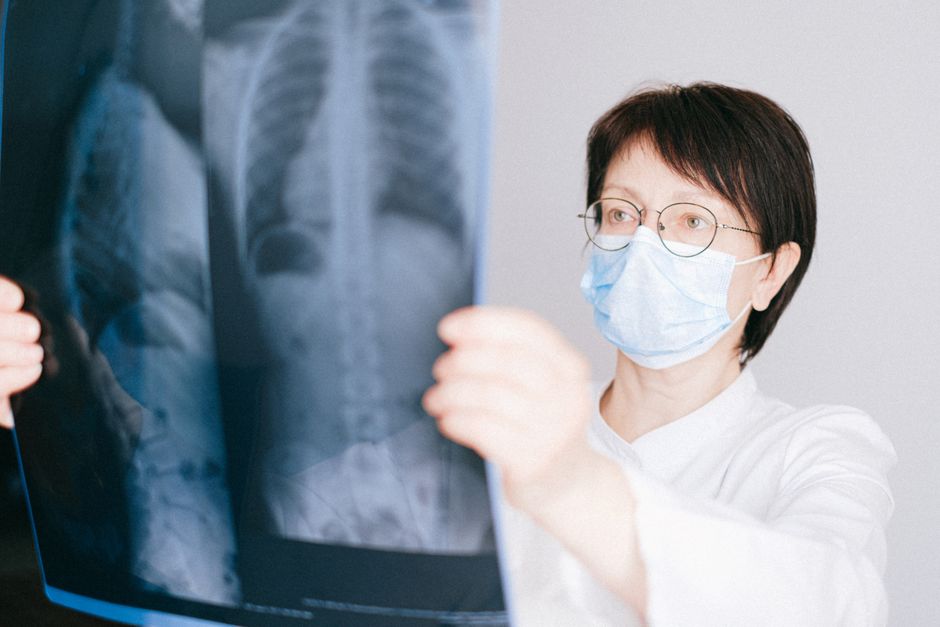
Radiology is a medical field that uses imaging to diagnose and treat disease. Getting into radiology takes years of education and training, and pay is high because of that commitment. The path is straightforward but long: complete a bachelor’s degree, earn a medical degree, and finish a four-year radiology residency. From start to finish, expect about 13 years after high school before you practice independently.
What Does a Radiologist Actually Do?
Radiologists are medical doctors who interpret medical images. They read X-rays, CT scans, MRIs, ultrasounds, and nuclear medicine studies. They use those images to diagnose conditions ranging from broken bones to cancer.
Many radiologists never see patients face-to-face. They work in reading rooms, reviewing images and sending reports to referring doctors. Some radiologists perform image-guided procedures, like biopsies or draining fluid collections. Those radiologists are called interventional radiologists, and they complete additional fellowship training.
Diagnostic radiologists focus on interpretation. Interventional radiologists focus on procedures. Both complete the same core residency before branching off.
How Long Does It Take to Become a Radiologist?
The timeline is fixed and long. There are no shortcuts that produce a board-certified radiologist.
- Bachelor’s degree: 4 years
- Medical school: 4 years
- Radiology residency: 4 years
- Fellowship (optional but common): 1-2 years
That means 12 years after high school to finish residency. Add a fellowship, and it is 13 to 14 years. Most radiologists complete a fellowship in a subspecialty like neuroradiology, body imaging, or breast imaging.
Total cost is significant. Medical school tuition varies widely, but public schools average around $37,000 per year for in-state students. Private schools can exceed $60,000 per year. Many graduates finish medical school with $200,000 or more in student loan debt.
What Are the Steps to Get Into Radiology?
Each step has specific requirements. Missing any of them delays the process.
Step 1: Earn a Bachelor’s Degree
Pre-medical coursework is the standard path. That includes biology, chemistry, organic chemistry, physics, and calculus. Your undergraduate major does not have to be science. Many medical schools accept students who majored in humanities, as long as the required science courses are complete.
Your GPA matters. Competitive applicants to medical school typically hold a GPA of 3.5 or higher. The average GPA for accepted medical students in the United States is around 3.7.
Step 2: Take the MCAT
The Medical College Admission Test is a standardized exam required by nearly all U.S. medical schools. It tests knowledge of biology, chemistry, physics, psychology, and critical analysis. Most students take it in their junior year of college.
Scores range from 472 to 528. The average score for accepted students is around 511. Competitive applicants aiming for strong programs should target 515 or higher.
Step 3: Graduate From Medical School
Medical school is four years. The first two years focus on classroom learning in anatomy, physiology, pharmacology, and pathology. The last two years are clinical rotations in hospitals, where you work with patients under supervision.
During medical school, you take the United States Medical Licensing Examination. Passing all three steps of the USMLE is required to obtain a medical license.
Step 4: Match Into a Radiology Residency
In your final year of medical school, you apply to radiology residency programs through the National Resident Matching Program. This is a competitive process. Radiology consistently ranks among the more competitive specialties.
Strong USMLE scores, research experience, and letters of recommendation from radiologists improve your chances. Some programs also look for evidence of interest in imaging, like completing a radiology elective or publishing research in the field.
Step 5: Complete Residency
Radiology residency is four years. The first year is a clinical intern year, often in internal medicine or surgery. The remaining three years focus on diagnostic radiology training across all imaging modalities.
During residency, you rotate through different subspecialties. You learn to read plain films, CT, MRI, ultrasound, and nuclear medicine studies. You also learn about radiation safety and imaging physics.
Step 6: Pass Board Certification
After residency, you take the American Board of Radiology exam. It has two parts: a core exam taken during residency and a certifying exam taken after residency. Passing both makes you board-certified.
Board certification is not legally required to practice, but nearly all employers require it. Hospitals and private practices expect radiologists to be board-certified within a few years of finishing residency.
Step 7: Consider a Fellowship
Most radiologists complete a one- or two-year fellowship. This provides advanced training in one subspecialty. Common options include:
- Neuroradiology (brain and spine)
- Body imaging (abdomen and pelvis)
- Breast imaging
- Musculoskeletal imaging (bones and joints)
- Interventional radiology
- Pediatric radiology
Fellowships are not mandatory, but they improve job prospects. Many employers prefer candidates with subspecialty training.




How Much Do Radiologists Make?
Radiology is one of the highest-paying medical specialties. Pay varies by setting, location, and experience.
According to the Medical Group Management Association, the average salary for diagnostic radiologists is around $400,000 per year. Interventional radiologists earn more, often exceeding $500,000 annually. Radiologists in private practice may earn more than those in academic settings, but academic positions often offer more predictable hours.
Location matters. Rural areas and underserved regions often pay more to attract radiologists. Urban academic centers typically pay less but may offer research opportunities and better work-life balance.
Starting salaries for new radiologists are lower, often around $300,000 to $350,000. Pay increases with experience, partnership in a private practice, or leadership roles.
What Are the Downsides of Radiology?
High pay comes with trade-offs. Radiology is not for everyone.
The work is sedentary. Radiologists spend most of their day sitting at a computer reading images. There is limited patient interaction, which some doctors find isolating. If you entered medicine to build long-term relationships with patients, radiology may not satisfy that desire.
Call coverage is demanding. Many radiology practices require weekend and overnight call. During call shifts, you may be reading trauma images or emergency studies with little downtime. Fatigue and burnout are real concerns in the field.
Technology is changing the field. Artificial intelligence tools can now detect certain findings on imaging studies. Radiologists are not being replaced, but the workflow is shifting. AI serves as a second reader, flagging abnormalities for human review. Radiologists who adapt to these tools will have an advantage.
Is Radiology a Good Career Choice in 2025?
Radiology remains a strong career choice, but the job market has changed. The field is competitive to enter and demanding to practice.
Job prospects are good overall. An aging population needs more imaging studies. Chronic conditions like cancer and heart disease require regular imaging for monitoring. The demand for diagnostic imaging continues to grow.
However, the market is sensitive to economic cycles. Imaging is expensive, and health systems may limit imaging volume during cost-cutting periods. This can affect job availability in certain regions.
Technological advances are also reshaping the field. AI will not replace radiologists, but it will change how they work. Radiologists who embrace new tools and focus on complex cases will remain in high demand.
The financial investment is substantial. With 13-plus years of education and significant debt, radiology is not a quick path to wealth. But for those who complete the training, the earning potential is among the highest in medicine.
How To Get Into Radiology Steps Timeline Pay: Key Takeaways
The path to radiology is long but well-defined. You need a bachelor’s degree, a medical degree, and a four-year residency. Most radiologists add a one- or two-year fellowship.
Expect to spend 12 to 14 years after high school before practicing independently. The cost of education is high, but so is the earning potential. Radiologists earn between $300,000 and $500,000 per year depending on experience and setting.
If you are willing to commit to the training and accept the sedentary, technology-driven work environment, radiology remains a rewarding medical career. The field offers intellectual challenge, high compensation, and a central role in modern medicine.
Frequently Asked Questions
Do radiologists go to medical school?
Yes. Radiologists are medical doctors who complete four years of medical school after earning a bachelor’s degree. They then complete a four-year radiology residency.
What is the hardest part of becoming a radiologist?
The hardest part is getting into a radiology residency, which is competitive and requires strong board scores and academic performance. The training itself is also demanding, with long hours and extensive study required.
Can you become a radiologist without a medical degree?
No. You cannot practice as a radiologist without a medical degree and a state medical license. There are other imaging careers, like radiologic technologist, that require less training but are not physician roles.
How much debt do radiologists typically have?
Most medical school graduates carry between $200,000 and $250,000 in student loan debt. Radiology residents earn a modest salary during training, around $60,000 to $70,000 per year, which makes debt repayment slower during residency.
