
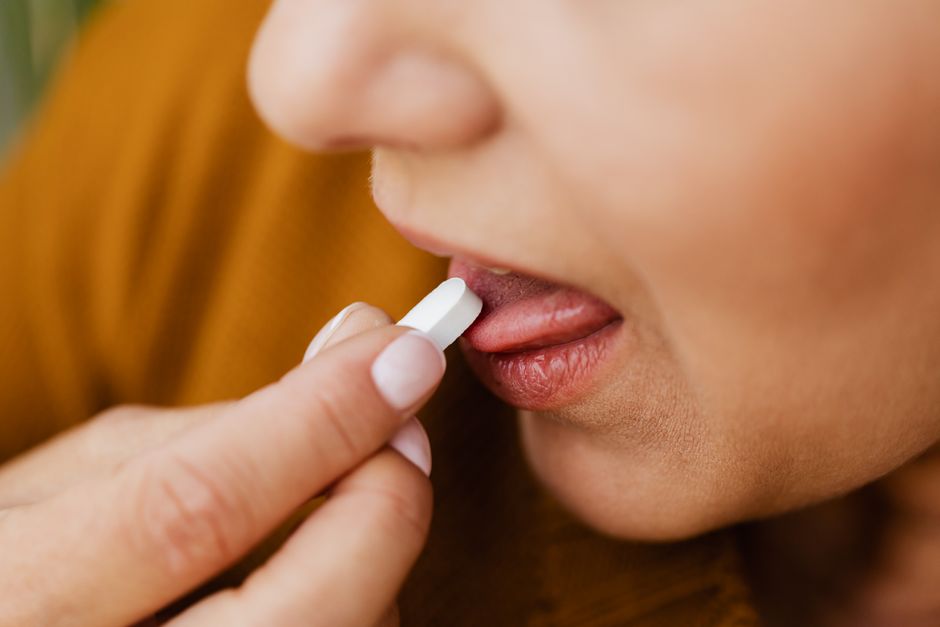
Coenzyme Q10, or CoQ10, is a compound your body produces naturally and uses to generate energy in every cell. It is also one of the most popular supplements for heart health and energy support. The most common question people ask is whether to take it in the morning or at night. The evidence points to morning, primarily because CoQ10 can be energizing for some people and may interfere with sleep if taken late in the day. For most people, taking CoQ10 with breakfast is the most practical and effective approach.
Does CoQ10 Keep You Awake at Night?
Yes, for some people it can. CoQ10 plays a direct role in cellular energy production. It helps mitochondria convert food into ATP, the energy currency of your cells. Taking a dose of CoQ10 close to bedtime may give some people a noticeable energy boost that makes falling asleep harder.
This effect is not universal. Many people take CoQ10 at night and sleep perfectly fine. But the risk is real enough that most clinicians advise patients to take it earlier in the day. If you are sensitive to stimulants or have insomnia, morning dosing is the safer choice.
Why Morning Dosing Works Better
Taking CoQ10 with your morning meal aligns with two practical goals: consistency and absorption. CoQ10 is fat-soluble, meaning it dissolves in fat rather than water. Your body absorbs it far better when you take it with food that contains some fat, such as eggs, yogurt, nuts, or avocado. Breakfast is a reliable time to pair the supplement with a meal.
Morning dosing also avoids any potential sleep disruption. Since CoQ10 supports energy production, taking it when your body naturally needs energy for the day ahead makes biological sense. There is no strong evidence that timing changes the long-term benefits for heart health or other outcomes, but the practical advantages of morning dosing make it the default recommendation.
Should You Split Your Dose?
Some people benefit from splitting their total daily CoQ10 into two smaller doses. This is more about absorption than timing. Your body can only absorb a limited amount of CoQ10 at one time. Research indicates that taking a single very large dose may result in less being absorbed overall.
If you take a high dose, such as 200 mg or more per day, splitting it into a morning and midday dose may improve how much your body actually uses. Taking the second dose at lunch rather than dinner keeps it earlier in the day, which reduces any sleep concerns. For standard doses of 100 mg or less, a single morning dose is usually sufficient.





What Time of Day Is Best for Absorption?
Absorption depends more on what you eat than what time you take it. CoQ10 needs dietary fat to be absorbed effectively. Taking it on an empty stomach significantly reduces how much reaches your bloodstream.
Your body also absorbs ubiquinone, the standard form of CoQ10 found in most supplements, more slowly than the ubiquinol form. Ubiquinol is the active antioxidant form and may absorb more efficiently, especially in older adults. Regardless of which form you choose, taking it with food is the single most important factor for absorption.
Some research suggests that absorption may be slightly better with dinner than breakfast because dinner tends to be a larger meal with more fat. But this potential benefit is not worth the risk of sleep disruption for people who are sensitive to the energizing effects. If you take it with dinner and sleep well, that timing is fine. If you notice restless sleep, move the dose to the morning.
Does CoQ10 Timing Matter for Heart Health?
For heart health and blood pressure support, the evidence does not show that timing changes the outcome. Clinical studies have used various dosing times, including morning and evening, and found benefits regardless. What matters more is consistent daily use over weeks or months.
CoQ10 levels in your blood take time to build up. Taking it consistently every day matters far more than the exact hour you take it. Some people use CoQ10 to support statin-related muscle symptoms. In these cases, some clinicians suggest taking CoQ10 at the same time as the statin for convenience, though this is a practical suggestion rather than a strict clinical requirement.
What If You Take Other Supplements or Medications?
CoQ10 can interact with a few common medications. It may reduce the effectiveness of warfarin, a blood thinner, so anyone taking warfarin should talk to their doctor before starting CoQ10. It can also lower blood sugar levels, which matters if you take diabetes medication.
Timing interactions are less clear. Some clinicians suggest spacing CoQ10 from other fat-soluble vitamins, like vitamin D or vitamin K, but there is no strong evidence that taking them together causes problems. If you take multiple supplements, morning with breakfast is a reasonable time to consolidate them.
Beta-blockers and certain blood pressure medications may reduce natural CoQ10 levels in the body. This is one reason some people take CoQ10 as a supplement while on these medications. Again, no specific timing is required, but morning dosing keeps things simple.
How Long Until You Notice an Effect?
CoQ10 is not a fast-acting supplement. It does not work like a cup of coffee or an over-the-counter pain reliever. Most people do not feel an immediate difference. The benefits develop gradually as CoQ10 levels in your tissues increase over time.
Clinical trials often run for 8 to 12 weeks before measuring outcomes. Some people report feeling better within a few weeks, while others notice little difference even after months. If you are taking CoQ10 for a specific health goal, give it at least three months of consistent daily use before judging whether it works for you.
Is It Better to Take CoQ10 With Food or on an Empty Stomach?
Always take CoQ10 with food. This is not a minor detail. Studies consistently show that taking CoQ10 with a meal containing fat increases absorption dramatically compared to taking it on an empty stomach.
One study found that taking CoQ10 with food increased absorption by about three times compared to fasting. The fat content of the meal matters. A meal with modest fat content, like eggs or full-fat yogurt, is enough. You do not need a heavy, high-fat meal.
What About the Ubiquinol vs. Ubiquinone Forms?
CoQ10 comes in two main forms. Ubiquinone is the oxidized form and is what most standard supplements contain. Ubiquinol is the reduced, active antioxidant form. Your body converts ubiquinone to ubiquinol as needed.
Some research suggests that ubiquinol may be absorbed better in older adults because the body’s ability to convert ubiquinone to ubiquinol declines with age. However, both forms have been shown to raise blood CoQ10 levels effectively. The choice between them is less important than taking a consistent daily dose with food.
If you take ubiquinol, the same timing rules apply. Morning with breakfast is still the most practical recommendation.
What Dose Should You Take?
Common doses range from 100 mg to 300 mg per day. The right dose depends on your reason for taking it. For general health maintenance, 100 mg daily is common. For specific conditions like heart failure or migraine prevention, higher doses are often used in clinical studies.
No clinical guidelines currently exist that specify a universal CoQ10 dose for everyone. The evidence for specific conditions varies. For example, studies on migraine prevention have used doses around 300 mg daily, while research on heart failure has used doses of 100 mg three times daily. Talk to your doctor about the appropriate dose for your situation.
Can You Take CoQ10 With Blood Pressure Medication?
Yes, but with caution. CoQ10 may lower blood pressure slightly on its own. When combined with blood pressure medication, the effect could be additive. This is not necessarily dangerous, but it means your blood pressure could drop more than expected.
If you take blood pressure medication, start CoQ10 at a lower dose and monitor your blood pressure regularly. Let your doctor know you are taking it. The same caution applies to blood sugar medication, as CoQ10 may enhance the blood sugar-lowering effects.
Frequently Asked Questions
Is it better to take CoQ10 in the morning or at night?
Morning is better for most people because CoQ10 can be energizing and may disrupt sleep if taken late. Taking it with breakfast also ensures you pair it with food for better absorption.
Can I take CoQ10 on an empty stomach?
You should not take CoQ10 on an empty stomach. CoQ10 is fat-soluble, and absorption improves significantly when you take it with a meal that contains fat.
How long does it take for CoQ10 to start working?
Most people do not feel an immediate effect. Clinical trials typically run for 8 to 12 weeks, and consistent daily use for at least three months is a reasonable timeframe before judging results.
Can CoQ10 interfere with sleep?
Some people report feeling more energized after taking CoQ10, which can make falling asleep harder if taken close to bedtime. Taking it in the morning avoids this issue entirely.
