
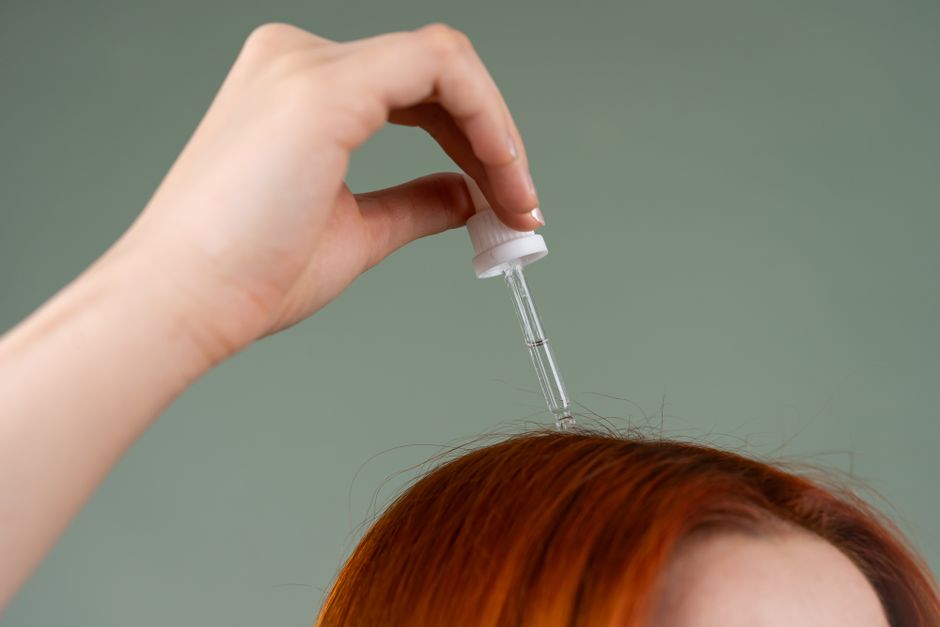
Healthy hair starts from the inside out, but what you put on it matters too. The real answer is simpler than most products want you to believe: protect your hair from damage, feed it the right nutrients, and stop doing things that break it. Hair is dead tissue once it grows past the scalp, so you cannot “heal” split ends or repair broken strands with any conditioner or oil. What you can do is keep the living part — your scalp and hair follicles — healthy enough to grow strong hair in the first place.
What Actually Causes Hair Damage?
Most hair damage comes from mechanical stress and chemical exposure, not from lack of expensive products. Heat styling tools like flat irons and blow dryers weaken the protein structure of hair when used above 400 degrees Fahrenheit. Research published in the Journal of Cosmetic Science found that repeated heat exposure causes cracks in the hair cuticle that lead to breakage over time.
Chemical treatments are another major cause. Hair dye, bleach, relaxers, and perms all alter the hair shaft’s structure. Bleach in particular raises the cuticle and strips natural oils, leaving hair porous and brittle. The American Academy of Dermatology notes that chemical damage is cumulative — each treatment adds to the previous damage rather than resetting it.
Physical damage is often overlooked. Tight ponytails, rough towel drying, and brushing wet hair all cause micro-tears in the hair shaft. Wet hair is especially vulnerable because water weakens the hydrogen bonds that give hair its strength. A study in the International Journal of Trichology showed that brushing wet hair increases breakage by up to 30 percent compared to dry brushing.
How To Get Healthy Hair Through Diet
Your hair follicles are among the most metabolically active cells in your body. They need a steady supply of protein, iron, zinc, and certain vitamins to produce strong hair. The average person loses 50 to 100 hairs per day naturally, but poor nutrition can push that number much higher.
Protein is the building block of hair. Hair is made mostly of keratin, a type of protein. The recommended dietary allowance for protein is 0.8 grams per kilogram of body weight, but some research suggests people with thinning hair benefit from slightly higher intake. Eggs, chicken, fish, beans, and lentils are solid sources.
Iron deficiency is a common cause of hair loss, especially in women. The CDC reports that nearly 10 percent of women in the United States are iron deficient. Low ferritin levels — the stored form of iron — have been linked to telogen effluvium, a temporary shedding condition. If you are losing more hair than usual, ask your doctor for a ferritin test. Do not supplement iron without testing first, because excess iron can be toxic.
Zinc and vitamin D also play roles in hair growth. Zinc helps with tissue repair and oil gland function around follicles. Vitamin D receptors are present in hair follicles, and low levels have been associated with non-scarring alopecia in some studies. The evidence is not strong enough to recommend high-dose supplements, but maintaining adequate levels through diet or sensible sun exposure is reasonable.
What Hair Care Routine Actually Works
Washing frequency depends on your scalp type, not a one-size-fits-all rule. People with oily scalps may need to wash daily, while those with dry or curly hair can go longer between washes. The key is to use a gentle sulfate-free shampoo and follow with conditioner on the mid-lengths and ends, not the scalp.
Conditioner matters because it reduces friction. Friction causes breakage. Look for conditioners with ingredients like cetyl alcohol or dimethicone, which coat the hair shaft and reduce tangling. Leave-in conditioners can provide additional protection between washes.
Heat protectants are not optional if you use hot tools. A 2017 study in the Journal of Cosmetic Dermatology tested several heat protectant sprays and found that products containing silicones or polymers significantly reduced heat damage. Apply them to damp hair before blow drying and again before using straighteners or curling irons.
Drying technique matters more than most people realize. Instead of rubbing wet hair with a towel — which causes friction and breakage — gently squeeze out excess water with a microfiber towel or an old cotton t-shirt. Let hair air dry when possible, but if you must blow dry, use the lowest heat setting and keep the dryer moving.
| Hair Concern | What Helps | What to Avoid |
|---|---|---|
| Dryness and frizz | Sulfate-free shampoo, deep conditioner weekly | Hot water, alcohol-heavy styling products |
| Breakage and split ends | Regular trims every 6-8 weeks, silk pillowcase | Brushing wet hair, tight hairstyles |
| Thinning or shedding | Balanced diet, iron and vitamin D check | Crash diets, harsh chemical treatments |
| Oily scalp | Gentle daily washing, dry shampoo sparingly | Over-washing with harsh sulfates |




Do Hair Supplements Work?
The supplement industry for hair is enormous and mostly unregulated. Many products promise thicker, faster-growing hair but deliver little more than expensive urine. The FDA does not approve dietary supplements for safety or effectiveness before they reach the market, so the burden is on you to separate real evidence from marketing.
Biotin is the most common ingredient in hair supplements, but the evidence for it is weak. True biotin deficiency is rare and usually only occurs in people with certain genetic disorders or those who eat large amounts of raw egg whites. A 2017 review in Skin Appendage Disorders concluded that biotin supplementation only helps people who are actually deficient. For everyone else, it does nothing.
Other ingredients like collagen, saw palmetto, and marine extracts have some preliminary evidence but nothing conclusive. A few small studies suggest collagen peptides may improve hair thickness, but the research is funded by supplement companies and has not been independently replicated. Saw palmetto is sometimes used for androgenetic alopecia, but the evidence is mixed and weaker than standard treatments.
One supplement with reasonable evidence is iron — but only if you are deficient. A 2019 study in the Journal of the American Academy of Dermatology found that iron supplementation improved hair growth in women with low ferritin levels. The takeaway is clear: test before you supplement. Randomly taking hair vitamins is unlikely to help and may waste your money.
What Medical Treatments Are Proven for Hair Loss?
If you are experiencing noticeable thinning or bald patches, over-the-counter products and lifestyle changes may not be enough. Two treatments have strong clinical evidence behind them: minoxidil and finasteride. Both are FDA-approved for androgenetic alopecia, the most common form of hair loss.
Minoxidil, sold under the brand name Rogaine, is a topical solution applied directly to the scalp. It works by stimulating blood flow to hair follicles and pushing them into the growth phase. Research shows it regrows hair in about 40 percent of men and women who use it consistently. The catch is that it only works as long as you keep using it. If you stop, any hair gained will fall out within a few months.
Finasteride is a prescription pill that blocks the conversion of testosterone to dihydrotestosterone, or DHT, the hormone that shrinks hair follicles in male pattern baldness. Studies published in the New England Journal of Medicine show it prevents further hair loss in about 80 percent of men and regrows hair in about 66 percent. It is not approved for women of childbearing age because it can cause birth defects.
Low-level laser therapy is another option with some evidence. Devices like laser combs and caps emit red light that may stimulate cellular activity in follicles. A 2014 meta-analysis in the American Journal of Clinical Dermatology found modest benefits for hair density, but the effect is smaller than with medication. Platelet-rich plasma injections are also used, but the evidence is still emerging and results vary widely between clinics.
Common Misconceptions About Healthy Hair
The internet is full of hair advice that sounds good but has no scientific backing. One of the most persistent myths is that brushing your hair 100 strokes a day makes it healthier. This actually increases friction and breakage, especially if you have fine or fragile hair. Brush only enough to detangle and distribute natural oils from scalp to ends.
Another widespread claim is that trims make hair grow faster. Hair growth happens at the scalp, not the ends. Trimming split ends prevents breakage from traveling up the shaft, which can make hair appear longer over time, but it does not speed up the growth rate. The average growth rate is about half an inch per month, and nothing changes that except genetics and overall health.
Many people also believe that natural oils like coconut oil or argan oil can repair damaged hair. Oils can temporarily smooth the cuticle and reduce frizz, but they cannot rebuild broken protein bonds. Think of oil as a bandage, not a cure. It helps protect hair from further damage but does not reverse existing harm. A 2015 study in the Journal of Cosmetic Science confirmed that coconut oil reduces protein loss in hair, but only when applied before washing, not as a leave-in treatment.
Finally, the idea that you can “train” your hair to be less oily by washing less often is not supported by evidence. Your scalp produces sebum based on hormonal signals, not how often you wash. Washing less may make your hair look greasier, but it will not change your oil production over the long term.
Frequently Asked Questions
How often should I wash my hair for healthy growth?
Wash your hair based on your scalp type, not a fixed schedule. Oily scalps may need daily washing while dry or curly hair can go three to five days between washes.
Can stress cause hair loss?
Yes, severe stress can trigger telogen effluvium, a condition where large numbers of hair follicles enter the resting phase at once. This usually causes noticeable shedding two to three months after the stressful event.
Does cutting hair make it grow faster?
No, cutting the ends does not affect growth rate from the scalp. Regular trims prevent split ends from traveling upward, which helps hair look fuller and longer over time.
Are expensive hair products better than drugstore brands?
Not necessarily. Many drugstore shampoos and conditioners contain the same active ingredients as luxury brands. Price often reflects marketing and packaging rather than effectiveness.
