
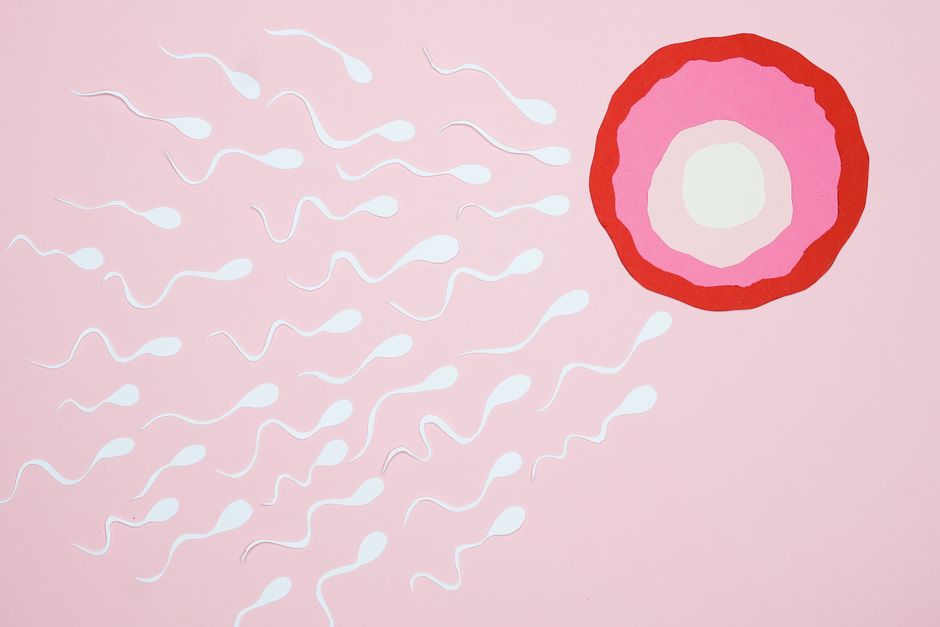
Improving sperm health starts with what you put on your plate. A diet built on whole foods, key nutrients, and healthy fats can support better sperm count, shape, and movement. The evidence for this is strong, and it directly answers how to get healthier sperm diet habits more: focus on antioxidants, omega-3s, and a balanced intake of vitamins and minerals while cutting back on processed foods and excess alcohol.
What Does a Healthy Sperm Diet Actually Look Like?
A fertile-friendly diet is not a single miracle food. It is a pattern of eating that reduces oxidative stress in the body. Sperm cells are highly sensitive to damage from free radicals, which are unstable molecules that can harm the DNA inside sperm.
Antioxidants are the body’s defense against this damage. They neutralize free radicals and protect sperm cells. Research consistently shows that men with higher antioxidant intake from food have better sperm quality than men with lower intake.
The Mediterranean diet is the most studied eating pattern for male fertility. It is rich in vegetables, fruits, legumes, whole grains, fish, and olive oil. Several large observational studies link closer adherence to this diet with healthier sperm parameters. Some research also suggests that men who eat this way have higher chances of conceiving naturally.
Which Nutrients Matter Most for Sperm Count and Motility?
Specific nutrients have been studied more than others because of their direct roles in sperm production and function. These are the ones with the strongest evidence behind them.
Zinc is essential for sperm formation. It is a structural component of the sperm cell membrane and is needed for DNA packaging. Low zinc levels are associated with low testosterone and poor sperm count. Good food sources include oysters, beef, pumpkin seeds, and lentils.
Folate is a B vitamin that supports healthy cell division. Sperm production requires rapid cell division, so folate is critical. Some studies suggest that men with higher folate intake have fewer sperm with DNA damage. Food sources include leafy greens, beans, and fortified grains.
Selenium is part of antioxidant enzymes in the body. It also contributes to sperm structure and movement. Brazil nuts are exceptionally high in selenium — just one or two nuts can meet your daily need. Other sources include tuna, sardines, and eggs.
Coenzyme Q10 is a compound that cells use for energy. Sperm need significant energy to swim. Some clinical trials have found that CoQ10 supplements improve sperm motility in men with low baseline movement. The evidence is promising but not uniform across all studies.
How To Get Healthier Sperm Diet Habits More: Focus on Antioxidants
Antioxidants are the most direct dietary answer to improving sperm quality. They protect the sperm cell from oxidative damage during its roughly 74-day development cycle.
Vitamin C is a water-soluble antioxidant that protects sperm in the seminal fluid. It is present in high concentrations there naturally. Citrus fruits, kiwi, bell peppers, and strawberries are excellent sources.
Vitamin E is a fat-soluble antioxidant that protects the sperm membrane. It works alongside vitamin C. Nuts, seeds, and spinach provide vitamin E.
Lycopene is a carotenoid that gives tomatoes their red color. Some research suggests it may improve sperm concentration and motility. Cooked tomatoes release more lycopene than raw ones, so tomato sauce and tomato paste are effective options.
L-carnitine is an amino acid that helps transport fatty acids into cells for energy. The epididymis, where sperm mature, contains very high levels of L-carnitine naturally. Some studies show that supplementation improves sperm motility, particularly in men with low movement scores.
The most practical approach is to eat a wide range of colorful fruits and vegetables daily. This naturally provides a broad antioxidant profile that no single pill can replicate.



What Foods Should Men Limit or Avoid?
Dietary habits that harm sperm are often the opposite of what supports them. Reducing these factors is as important as adding healthy foods.
Processed meats like bacon, hot dogs, and deli meats have been linked to lower sperm quality in several studies. The associations are consistent enough that limiting intake is reasonable.
Trans fats, found in many fried foods and commercial baked goods, are associated with poorer sperm counts. These fats increase inflammation and oxidative stress in the body.
Excess alcohol affects sperm production. Heavy drinking is linked to lower testosterone and poorer semen parameters. The evidence for moderate drinking is less clear, but most fertility specialists advise limiting alcohol while trying to conceive.
Sugar-sweetened beverages have shown negative associations with sperm motility in some research. High sugar intake can contribute to insulin resistance, which may indirectly affect reproductive hormones.
Soy products contain phytoestrogens, plant compounds that can weakly mimic estrogen. The research here is mixed. Moderate soy intake appears safe, but very high intake may affect some men. The evidence does not support avoiding soy entirely.
Does Weight Affect Sperm Health?
Body weight influences sperm quality through hormonal pathways. Fat tissue converts testosterone to estrogen through an enzyme called aromatase. More fat tissue can mean lower testosterone and higher estrogen.
Men who are overweight or obese tend to have lower sperm counts and more DNA damage in sperm. This is one of the most consistent findings in fertility research. The good news is that weight loss improves sperm parameters in most studies.
Even a modest weight loss of 5 to 10 percent of body weight can improve sperm quality. This does not require extreme dieting. Gradual, sustainable changes in eating habits are effective.
Being underweight also carries risks. Men with very low body fat can have reduced testosterone production. The goal is a healthy body mass index, not an extreme one.
Which Eating Pattern Is Best Supported by Research?
Two dietary patterns stand out in fertility research: the Mediterranean diet and a plant-forward diet with lean proteins.
The Mediterranean diet emphasizes:
- Olive oil as the primary fat source
- Fish and seafood several times per week
- Vegetables at most meals
- Legumes and nuts regularly
- Limited red meat
- Moderate dairy
This pattern delivers high levels of omega-3 fatty acids, monounsaturated fats, and antioxidants. Observational studies consistently link it with better sperm concentration, motility, and morphology.
A plant-forward diet does not mean vegetarian or vegan. It means plants occupy the largest portion of the plate. Men who eat more fruits, vegetables, and whole grains generally have better sperm quality than men who eat a meat-heavy diet with few plants.
Fish intake deserves special attention. Fatty fish like salmon, mackerel, and sardines provide omega-3 fatty acids, specifically DHA and EPA. DHA is highly concentrated in sperm membranes and is critical for sperm flexibility and function. Men with higher DHA intake tend to have better sperm motility.
Do Supplements Help or Is Food Enough?
Whole foods should be the foundation. Supplements can address specific deficiencies, but they do not replace a healthy diet.
Some evidence supports specific supplements for men with diagnosed low sperm parameters. CoQ10, zinc, folate, and selenium have all shown benefit in some clinical trials. However, results are not consistent across all men.
A multivitamin designed for male fertility may be reasonable if your diet has gaps. But more is not better. High doses of some nutrients, particularly selenium, can be harmful. Selenium toxicity can actually worsen sperm quality.
There is no clinical evidence that any supplement can cure male infertility or guarantee conception. If you have abnormal semen analysis results, see a fertility specialist rather than self-treating with supplements.
No clinical guidelines currently specify exact supplement doses for sperm health in the general population. The best approach is to test for deficiencies first and correct what is actually low.
How Long Until Diet Changes Show Results?
Sperm development takes about 74 days from start to finish. This means dietary changes today will affect sperm that are produced roughly two to three months from now.
Most studies that show dietary improvements measure outcomes after at least one full sperm cycle. Some changes appear sooner, but three months is a realistic timeframe to expect measurable improvement.
Consistency matters more than perfection. A single healthy meal does nothing, and a single unhealthy meal does little harm. The pattern over weeks and months is what shapes sperm quality.
This timeline is practical for couples planning pregnancy. Starting healthier habits three to six months before trying to conceive gives the body time to produce better quality sperm.
Frequently Asked Questions
What is the single best food for sperm health?
No single food guarantees better sperm health. A varied diet rich in antioxidants, omega-3s, and zinc produces the best results overall.
Can diet alone fix low sperm count?
Diet can improve sperm quality when poor nutrition is a contributing factor, but it cannot fix all causes of low sperm count. Genetic conditions, blockages, infections, and hormonal problems require medical treatment.
How much water should a man drink daily for sperm health?
No specific water intake target exists for sperm health, but staying adequately hydrated supports overall reproductive function. Standard hydration guidelines of roughly 8 to 10 cups daily are reasonable for most men.
Does coffee affect sperm quality?
The evidence is mixed. Moderate caffeine intake appears safe, but very high intake — more than four to five cups daily — shows negative associations in some studies.
