
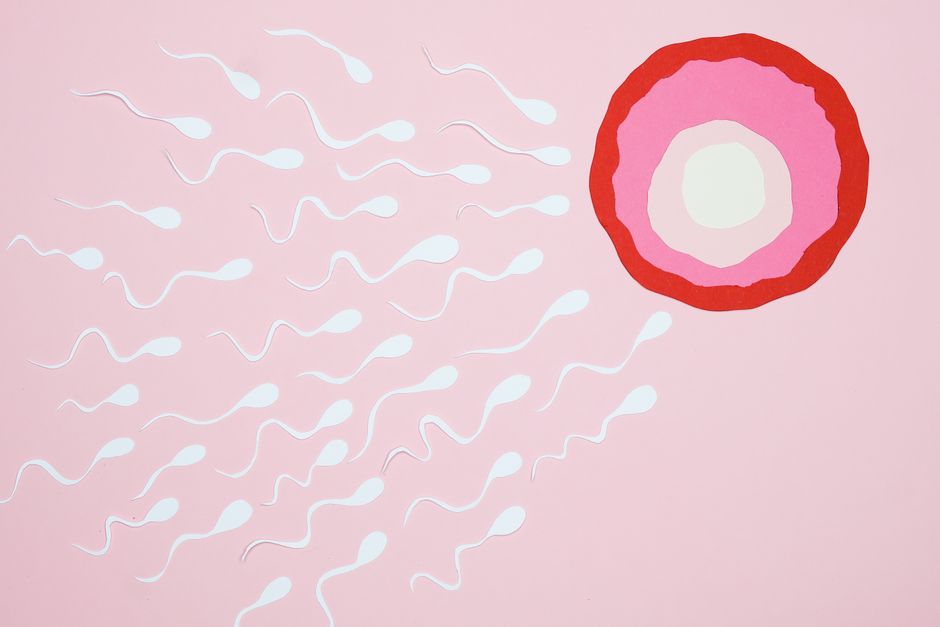
If you want to increase your sperm count, the most effective steps you can take involve improving your diet, getting enough quality sleep, and making targeted lifestyle changes. Research shows that a diet rich in antioxidants, zinc, and folate, combined with seven to eight hours of sleep per night, can significantly improve sperm production and quality.
Does Diet Really Affect Sperm Count?
Yes, diet has a direct impact on sperm count. Studies published in the journal Human Reproduction Update found that men who ate diets high in processed meats, trans fats, and sugar had lower sperm counts than those who ate whole foods.
Sperm cells are highly sensitive to oxidative stress. This is damage caused by unstable molecules called free radicals. Antioxidants in fruits and vegetables help protect sperm from this damage. The CDC reports that about 1 in 6 couples struggle with infertility, and male factors contribute to roughly 40% of cases. Diet is one factor you can control.
A Mediterranean-style diet appears to be especially helpful. This means plenty of vegetables, fruits, whole grains, fish, and healthy fats like olive oil. One study from the University of Murcia in Spain found that men following a Mediterranean diet had higher sperm counts and better sperm motility.
Which Foods Help Increase Sperm Count?
Specific nutrients have strong evidence behind them. Here are the most important ones and where to find them:
- Zinc: This mineral is critical for sperm formation. Oysters are the most famous source, but beef, pumpkin seeds, and chickpeas also provide good amounts. A study in the journal Nutrition found that zinc supplementation improved sperm count in men with low levels.
- Selenium: This works with zinc to support sperm health. Brazil nuts are the richest source. Just two Brazil nuts per day provide enough selenium. Too much can be toxic, so do not overdo it.
- Folate: This B vitamin helps with DNA production in sperm. Leafy greens like spinach and kale are excellent sources. Lentils and asparagus also contain folate.
- Vitamin C: A powerful antioxidant. Citrus fruits, bell peppers, and strawberries are good sources. Research in the Journal of Medicinal Food showed that vitamin C supplementation improved sperm count in smokers.
- Vitamin D: Low levels of vitamin D are linked to lower sperm counts. Fatty fish like salmon and mackerel contain vitamin D. Sunlight exposure also helps your body produce it.
- Omega-3 fatty acids: These healthy fats improve sperm membrane quality. Walnuts, flaxseeds, and fatty fish are good sources.
One practical tip: eat a handful of walnuts each day. A study from the University of California, Los Angeles found that men who ate 75 grams of walnuts daily for 12 weeks had better sperm shape and motility.
How Does Sleep Affect Sperm Count?
Sleep is not optional for fertility. Your body produces most of its testosterone during sleep, specifically during deep sleep cycles. Testosterone is the hormone that drives sperm production.
Research published in the Journal of Clinical Endocrinology & Metabolism found that men who slept less than six hours per night had significantly lower testosterone levels than those who slept seven to eight hours. Lower testosterone means lower sperm production.
But too much sleep is also a problem. The same study found that men who slept more than nine hours also had lower testosterone. The sweet spot appears to be seven to eight hours of consistent, quality sleep each night.
Sleep quality matters just as much as quantity. Waking up multiple times during the night disrupts hormone production. If you snore loudly or wake up gasping for air, you may have sleep apnea. This condition is linked to lower sperm counts and should be checked by a doctor.





What About Lifestyle Factors Like Stress and Exercise?
Chronic stress raises cortisol levels. High cortisol suppresses testosterone production. This creates a direct pathway from stress to lower sperm count.
Exercise helps in two ways. It reduces stress and improves circulation to the testicles. But not all exercise is equal. Moderate exercise like brisk walking, swimming, or cycling for 30 minutes most days is beneficial. Extreme endurance training can actually lower sperm count temporarily.
The American Society for Reproductive Medicine notes that overheating the testicles is a common cause of low sperm count. Your testicles need to be about 4 degrees Fahrenheit cooler than your body temperature to produce sperm effectively. This means avoiding hot tubs, saunas, and tight underwear.
Smoking is one of the worst things for sperm count. A meta-analysis in the European Journal of Epidemiology found that smokers had 15% lower sperm counts than non-smokers. Alcohol also reduces sperm production, especially when consumed heavily. Limiting alcohol to one or two drinks per day is a reasonable guideline.
How To Increase Sperm Count Diet Sleep More: A Practical Plan
Here is a straightforward approach based on the evidence:
| Factor | What To Do | What To Avoid |
|---|---|---|
| Diet | Eat vegetables, fruits, whole grains, fish, nuts, seeds | Processed meats, trans fats, sugary drinks |
| Sleep | 7-8 hours per night, consistent bedtime | Less than 6 hours or more than 9 hours |
| Exercise | 30 minutes moderate activity most days | Overheating testicles, extreme endurance training |
| Supplements | Consider zinc, selenium, vitamin D if deficient | Megadoses of any supplement without testing |
| Toxins | Limit alcohol, quit smoking | Hot tubs, saunas, tight underwear |
This table summarizes the key changes. But remember that sperm production takes about 74 days. Any changes you make today will not show up in a semen analysis for about two and a half months. Be patient and consistent.
Common Misconceptions About Increasing Sperm Count
Many viral health claims about sperm count are not supported by evidence. Here are a few to ignore:
Myth: Wearing boxers instead of briefs dramatically increases sperm count. The evidence is mixed. Some studies show a small difference, but it is not a major factor for most men. Overheating is a real concern, but the type of underwear alone is unlikely to fix low sperm count.
Myth: Celery and other “superfoods” can double your sperm count. No single food has that power. A balanced diet matters more than any one ingredient. There is no clinical evidence that celery specifically increases sperm count.
Myth: Masturbation reduces sperm count for fertility. This is false. Regular ejaculation actually helps maintain healthy sperm by preventing old sperm from accumulating. The WHO recommends two to seven days of abstinence before a semen analysis, but daily ejaculation does not harm fertility.
Myth: Supplements can fix any sperm problem. Supplements only help if you have a deficiency. Taking extra zinc when your levels are normal will not improve your sperm count further. Some supplements can even be harmful in high doses. Always test before supplementing.
Frequently Asked Questions
How long does it take for diet changes to increase sperm count?
Sperm production takes about 74 days, so you should expect to see improvements in your semen analysis after roughly two and a half months of consistent dietary changes.
Can lack of sleep cause low sperm count permanently?
No, low sperm count from poor sleep is usually reversible once you restore healthy sleep habits, though chronic sleep deprivation over many years may cause longer-lasting effects.
What foods should I avoid if I want to increase sperm count?
Processed meats, sugary drinks, trans fats found in fried foods, and excessive alcohol are all linked to lower sperm counts in research studies.
Does drinking coffee affect sperm count?
Moderate coffee consumption of one to two cups per day does not appear to harm sperm count, but very high caffeine intake may have negative effects.
