

Erection problems are common, and they are also treatable. The most reliable path to a firm erection is finding out what is actually causing the problem, then using the treatments with the strongest evidence behind them. For many men, that means a PDE5 inhibitor such as sildenafil, plus control of the underlying health conditions that damage blood flow and nerves.
Roughly half of American men between 40 and 70 report some degree of erectile dysfunction. It is not a normal part of aging that you simply accept. In most cases, there is a physical cause, and in most cases it can be improved.
What Actually Happens in the Body During an Erection?
An erection is a blood-flow event. It depends on nerves, arteries, and a specific signaling molecule called nitric oxide.
When you are sexually stimulated, nerve endings in the penis release nitric oxide. That chemical tells smooth muscle in the penile arteries to relax. When those vessels open, blood rushes in and fills two spongy chambers called the corpora cavernosa. That pressure compresses the veins that would normally drain blood out, which is what keeps the penis rigid.
A second enzyme, PDE5, works to break down the signaling molecules that keep those vessels open. Block that enzyme, and the vessels stay relaxed longer. That is exactly how the most common ED drugs work.
This matters because it tells you where things can go wrong. Damaged arteries, damaged nerves, low testosterone, or anxiety can each interrupt the chain at a different point. A treatment that works for one cause may do nothing for another.
What Are the ED Treatments That Actually Work?
Four categories have solid evidence behind them. The first-line option for most men is an oral PDE5 inhibitor.
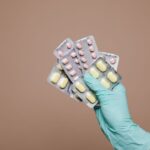
- PDE5 inhibitors — sildenafil, tadalafil, vardenafil, and avanafil. These are the most studied ED treatments in existence. They require sexual stimulation to work. They do not cause an erection on their own.
- Vacuum erection devices — a pump draws blood into the penis and a tension ring holds it there. Evidence supports these for many men, including those who cannot take PDE5 inhibitors.
- Intracavernosal injections — a small dose of medication injected into the base of the penis. These work in a high percentage of men, including many who do not respond to pills.
- Testosterone therapy — only relevant if blood tests confirm low testosterone. It is not an ED treatment for men with normal levels.
There is also a non-drug option worth knowing about. Focused low-intensity shockwave therapy has been studied for ED, and results across trials are mixed. Some men report improvement, but the evidence is not strong enough to call it an established treatment. Be cautious of clinics selling it as a guaranteed fix.
How To Get Hard With Ed Treatments That Work
Getting a firm erection with treatment comes down to matching the treatment to the cause and using it correctly. That is the part many men skip.
If you have mild to moderate ED and no serious heart disease, a PDE5 inhibitor is usually where treatment starts. These drugs work in roughly two-thirds of men who take them, though response varies widely depending on the cause and how the drug is used.
Two things make them fail more often than they should:
- Taking them on a full stomach. A heavy, fatty meal slows absorption and can blunt the effect of sildenafil and vardenafil in particular.
- Expecting them to work without sexual arousal. These drugs amplify a signal. They do not create one.
If pills do not work after several honest attempts at the right dose, the next step is usually injections or a vacuum device. Many men who fail pills succeed with injections. That is not a sign of a more serious problem. It is just a different mechanism.
One clarification that surprises people: ED drugs treat the symptom, not the underlying vascular disease. If your arteries are narrowed from years of high blood pressure, high cholesterol, or smoking, the pill helps you get an erection but does nothing to fix the arteries. That is why treating the cause matters for your long-term health, not just your sex life.



What Underlying Conditions Keep ED Treatments From Working?
This is where most treatment failures come from. ED is often the first visible sign of a blood vessel problem that is also affecting the heart and brain.
The arteries in the penis are narrower than the coronary arteries. That means they can show the effects of plaque buildup and endothelial dysfunction earlier than other parts of the body. In many men, erectile dysfunction appears before a heart problem does.
Conditions that commonly interfere with treatment:
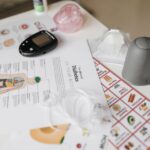
- Diabetes — high blood sugar damages both blood vessels and the nerves that trigger erections. Men with diabetes often need higher doses or a different treatment approach.
- High blood pressure and high cholesterol — both narrow and stiffen arteries.
- Smoking — directly damages the lining of blood vessels and is one of the strongest modifiable risk factors for ED.
- Low testosterone — affects desire and can reduce response to PDE5 inhibitors.
- Depression and anxiety — can suppress the arousal signal that ED drugs depend on.
- Certain medications — some blood pressure drugs, antidepressants, and prostate treatments can contribute.
This is why a real evaluation matters. A doctor who only hands you a prescription without asking about blood sugar, blood pressure, and medications is leaving the biggest levers untouched.
Are There Risks or Things You Should Not Mix With ED Drugs?
Yes, and one of them is serious. PDE5 inhibitors must never be combined with nitrates, including nitroglycerin and isosorbide. That combination can cause a dangerous drop in blood pressure. This is not a mild caution. It is a hard rule.
Other points worth knowing:
- Alpha-blockers used for prostate problems can also lower blood pressure when combined with ED drugs. Timing and dose matter, and this should be managed by a clinician.
- Grapefruit juice can raise blood levels of some ED drugs by interfering with the liver enzyme that clears them.
- Common side effects of PDE5 inhibitors include headache, flushing, nasal congestion, and indigestion. These are usually mild and temporary.
- A rare but serious complication is priapism — an erection lasting several hours that will not go away. This is a medical emergency and requires immediate care.
Do not buy ED drugs from websites that do not require a prescription. Counterfeit products are common, and some have been found to contain the wrong drug, the wrong dose, or no active ingredient at all.
Do Lifestyle Changes Help, and How Much?
Lifestyle changes can meaningfully improve erectile function, especially when the cause is vascular. They are not a replacement for treatment in most cases, but they change the underlying conditions that treatment depends on.
What the evidence supports:
- Regular aerobic exercise — improves blood vessel function and is one of the more consistent findings in the research.
- Weight loss — men with obesity who lose weight often see improvement, particularly when combined with other healthy changes.
- Quitting smoking — the damage is cumulative, but stopping reduces further harm.
- Controlling blood sugar and blood pressure — this protects the vessels and nerves that erections depend on.
- Reducing heavy alcohol use — chronic heavy drinking affects nerve and hormone function.
What the evidence does not strongly support: most over-the-counter “male enhancement” supplements. The FDA has repeatedly found prescription drug ingredients in products marketed as natural sexual enhancement supplements. No large human trial has confirmed that these products work as advertised, and some have caused real harm.
When Should You See a Doctor?
See a doctor if ED is persistent, if it started suddenly, or if it comes with other symptoms. Sudden onset, especially with chest pain or shortness of breath, needs urgent attention.
ED can also be an early warning sign of heart disease or diabetes that has not yet been diagnosed. Getting evaluated is not just about your sex life. It can catch a serious condition early.
Bring a list of everything you take, including supplements. Be honest about how often the problem happens and when it started. That information is what lets a clinician choose the right treatment instead of guessing.
Frequently Asked Questions
How long does it take for ED pills to work?
Sildenafil and vardenafil typically start working within about 30 to 60 minutes, while tadalafil takes longer to peak but lasts much longer. None of them will produce an erection without sexual stimulation.
Can I get hard without medication if I have ED?
Some men with mild ED improve with lifestyle changes like exercise, weight loss, and quitting smoking, especially when the cause is vascular. For moderate to severe ED, these changes help but usually do not replace treatment.
What should I do if ED pills do not work for me?
First check the basics: correct dose, taken on an empty stomach, with adequate sexual stimulation. If pills still fail, injections and vacuum devices are effective options for many men and should be discussed with a doctor.
Is low testosterone always the cause of erectile dysfunction?
No. Low testosterone can contribute, but it is only confirmed by a blood test and is not the main cause in most men. Vascular and nerve problems are far more common drivers of ED.
