
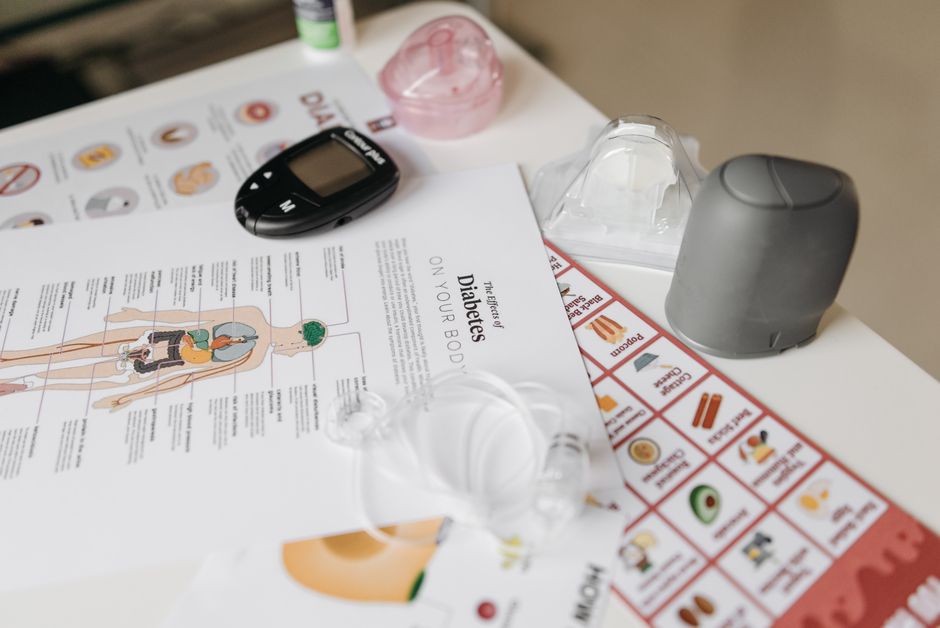
The Purewick system is an external catheter designed for women who have trouble controlling their bladder. It sits outside the body between the labia and uses gentle suction to pull urine away into a collection canister. Unlike a traditional catheter, nothing is inserted into the urethra, which makes it a completely different approach to managing incontinence.
How Does a Purewick Work?
The device has two main parts. The first is a soft, wicking pad that looks like a long cotton swab. This pad is placed between a woman’s labia and rests against the urethral opening. The second part is a low-pressure suction tube connected to a canister.
When urine leaves the body, the pad absorbs it immediately. The suction then pulls the urine from the pad through the tube and into a collection container. The entire process takes seconds. The suction level is very low — about 40 mmHg, which is roughly the pressure of a gentle kiss on your arm. This is intentional. Higher suction could damage delicate tissue.
The system runs continuously once it is turned on. There is no sensor that detects when you urinate. The suction is always active, which means the pad stays dry between uses. This constant airflow also helps keep the skin dry, reducing the risk of rashes and irritation.
Who Is a Candidate for the Purewick System?
The Purewick is not sold over the counter. It is a prescription medical device used primarily in hospitals, nursing homes, and home care settings. The FDA cleared it in 2021 for women who cannot get to a bathroom independently or who have severe incontinence that disrupts daily life.
Typical candidates include women recovering from surgery, those with mobility issues from stroke or injury, and people in the late stages of dementia. It is also used in hospice care where comfort and dignity are the main goals.
There are some important limits. The device is only approved for women. The anatomy of the external catheter does not work well for men, though a similar product exists for them. It is also not suitable for women who are very active or walking around freely. The tubing makes it hard to move without dislodging the pad.
What Does the Research on the Purewick Show?
Studies published in the Journal of Wound, Ostomy and Continence Nursing have found that the Purewick significantly reduces skin breakdown compared to traditional absorbent pads. One study reported a 50 percent drop in incontinence-associated dermatitis when hospitals switched to the Purewick system.
Research also shows high patient satisfaction. A 2022 study in Urology Nursing surveyed women who used the device during hospital stays. Over 80 percent said they preferred it to bedpans or absorbent briefs. The main reasons were comfort and feeling cleaner.
However, the evidence is not all positive. Some studies suggest the device does not catch every drop of urine. Leakage rates in clinical trials range from 10 to 20 percent, depending on how well the pad is positioned. Proper placement is critical, and not every nurse or caregiver gets it right every time.
The CDC has not issued specific guidance on the Purewick, but the FDA continues to monitor adverse event reports. The most commonly reported issues are minor skin irritation and occasional dislodgement of the pad.





How Does the Purewick Compare to Other Options?
There are several ways to manage female incontinence. The table below compares the Purewick to the most common alternatives.
| Method | Insertion | Infection Risk | Mobility | Skin Health |
|---|---|---|---|---|
| Purewick | External | Very low | Limited | Good airflow |
| Indwelling catheter | Internal | High | Full | Fair |
| Absorbent briefs | None | Low | Full | Poor if wet |
| Intermittent catheter | Internal | Moderate | Full | Good |
The biggest advantage of the Purewick is the very low infection risk. Indwelling catheters are a leading cause of hospital-acquired urinary tract infections. The Purewick bypasses that risk entirely because nothing enters the body.
The trade-off is mobility. Women using the Purewick are typically confined to a bed or chair. If you need to walk around freely, absorbent briefs or intermittent catheterization are better options.
What Are the Common Problems People Experience?
The most frequent complaint is leakage. The pad has to sit in exactly the right position between the labia. If it shifts even slightly, urine can miss the pad entirely. This is especially common when a woman moves in bed or turns onto her side.
Some women find the pad uncomfortable at first. It is soft and flexible, but the sensation of something between the labia can take time to get used to. A small number of women report mild irritation or redness where the pad rests.
Noise is another issue people do not expect. The suction pump makes a constant low hum. In a quiet hospital room at night, that sound can bother some patients. The newer pump models are quieter, but the noise has not been eliminated entirely.
There is no evidence that the Purewick causes urinary tract infections. That is one of the main selling points. But there is some evidence that improper cleaning of the reusable components could introduce bacteria. The collection canister and tubing should be replaced according to the manufacturer’s instructions.
Common Misconceptions About the Purewick
A myth that spreads online is that the Purewick uses a vacuum or high-powered suction that could damage internal organs. This is false. The suction pressure is about the same as a baby’s bottle nipple. It cannot pull on anything inside the body because the pad never enters the urethra. It only sits outside.
Another misconception is that the device is a permanent solution. It is not. The Purewick is designed for temporary use during hospitalization or short-term recovery. For long-term incontinence, other methods like pelvic floor therapy or surgical options are more appropriate.
Some people also believe the Purewick is disposable after one use. The pad itself is single-use and must be thrown away after each change. But the pump and canister are reusable and can be used by the same patient for up to 30 days before replacement is needed.
There is a persistent rumor that the device can be worn while sleeping without any issues. This is mostly true, but with a caveat. Sleeping on your side can cause the pad to shift. Many nurses recommend sleeping on your back while using the system to keep the pad in place.
Some sources claim the Purewick works for men. It does not. The external catheter is shaped specifically for female anatomy. A different device called the PureWick Male is available, but it is not the same product and has not been studied as extensively.
Practical Tips for Using the Purewick at Home
If you or a family member are using the Purewick at home, positioning is everything. The pad should sit between the labia majora, not inside the vaginal opening. It should rest gently against the urethral opening without pressing hard. A good trick is to have the person lie on their back with knees bent and feet flat on the bed. This opens the area and makes placement easier.
Check the pad position every two hours, especially if the person moves around in bed. If you notice wetness on the sheets or the person’s skin, the pad has likely shifted. Remove it, dry the area, and place a new pad.
Skin care matters more than you might think. The constant airflow keeps the area dry, but the pad can still cause friction. Clean the area with a mild, pH-balanced cleanser at each pad change. Apply a barrier cream if the skin looks red or irritated. Do not use talcum powder or cornstarch near the pad — these can clog the suction tube.
The collection canister needs to be emptied when it is about three-quarters full. Most canisters hold 800 to 1000 milliliters. Emptying it sooner prevents the suction from weakening. The canister should be rinsed with warm water and mild soap between uses. Do not use bleach or harsh chemicals as they can damage the plastic.
If the pump stops working or makes unusual noises, check the tubing for kinks first. A bent tube is the most common cause of suction failure. Straighten it and restart the pump. If the problem continues, the filter may be clogged. Replace the filter according to the manufacturer’s guidelines.
Some people report that the pad dries out and becomes less effective after several hours. The manufacturer recommends changing the pad every 8 to 12 hours, or sooner if it becomes saturated. A dry pad does not wick urine as efficiently as a fresh one.
If you notice any signs of infection — redness, swelling, pain, or unusual discharge — stop using the device and contact your healthcare provider immediately. While infections are rare, they can happen if the skin barrier is broken.
Do not try to modify the device or use it with non-approved parts. Some online forums suggest using generic tubing or homemade collection containers. These can introduce bacteria into the system or cause the pump to fail. Stick with the components provided by the manufacturer.
Finally, be patient with the learning curve. The first few days of using the Purewick at home can be frustrating. Leaks are common while you figure out the right position and routine. Most people find that after a week, the system becomes second nature. If problems persist after two weeks, ask your home health nurse for a reassessment.
Frequently Asked Questions
Can the Purewick be used while sleeping?
Yes, it is designed for continuous use including during sleep. Sleeping on your back helps keep the pad in the correct position.
Does the Purewick hurt when it is placed?
Most women report no pain during placement. Some feel mild pressure or a strange sensation at first, but this usually fades within minutes.
How often does the pad need to be changed?
The pad should be changed every 8 to 12 hours or sooner if it becomes saturated. Always change it if it shifts out of position.
Can the Purewick cause a urinary tract infection?
Research shows the Purewick does not cause UTIs because nothing enters the urethra. This is one of its main advantages over internal catheters.
