
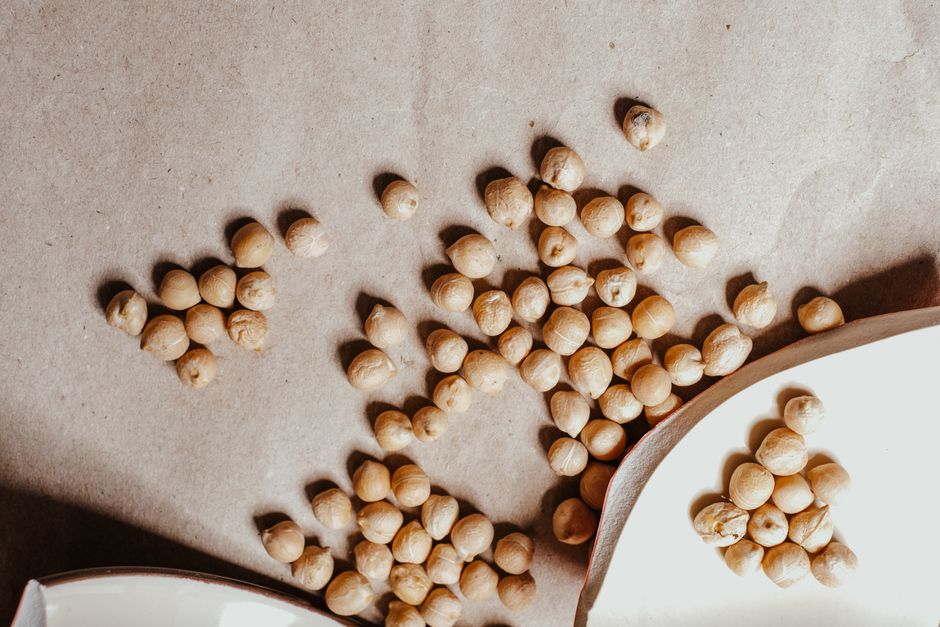
Getting enough protein each day comes down to a simple plan: include a protein source at every meal, choose whole foods over processed options, and adjust portion sizes to fit your body and activity level. Most adults need roughly 0.8 grams of protein per kilogram of body weight daily, but active people and older adults often need more. The easiest way to hit your target is to build meals around foods like eggs, dairy, beans, fish, poultry, and lean meat rather than relying on supplements or powders.
How Much Protein Do You Actually Need?
The standard guideline for a healthy adult is 0.8 grams of protein per kilogram of body weight. For a 150-pound person, that works out to about 55 grams per day. This number is the minimum to prevent deficiency, not an optimal target for everyone.
If you exercise regularly, are recovering from illness, or are over 60, your needs go up. Research consistently shows older adults benefit from 1.0 to 1.2 grams per kilogram to maintain muscle mass. Active individuals often aim for 1.2 to 2.0 grams per kilogram depending on training intensity. These are ranges backed by sports nutrition guidelines, not marketing claims.
To convert your weight to kilograms, divide your weight in pounds by 2.2. Multiply that number by your target grams to get your daily goal. For example, a 180-pound man aiming for 1.2 grams per kilogram would need about 98 grams of protein daily.
What Foods Count as High-Quality Protein?
Protein quality matters as much as quantity. Complete proteins contain all nine essential amino acids your body cannot make on its own. Animal sources are naturally complete. Most plant sources are incomplete, but that is not a problem if you eat a varied diet.
Here are reliable protein amounts per serving from USDA data:
- Chicken breast, cooked — 3 ounces provides about 26 grams
- Ground beef, 85% lean, cooked — 3 ounces provides about 22 grams
- Salmon, cooked — 3 ounces provides about 22 grams
- Eggs — one large egg provides 6 grams
- Greek yogurt, plain — 6 ounces provides about 15 grams
- Cottage cheese — 1 cup provides about 24 grams
- Lentils, cooked — 1 cup provides about 18 grams
- Chickpeas, cooked — 1 cup provides about 15 grams
- Tofu, firm — 1/2 cup provides about 20 grams
- Black beans, cooked — 1 cup provides about 15 grams
These numbers are established reference values. Portion sizes in real life vary, so weighing food occasionally helps you calibrate your eye.
How To Get Enough Protein Foods Meals More — A Simple Framework
The most reliable strategy is to spread protein across all three meals rather than loading it all at dinner. Your body uses dietary protein to build muscle throughout the day, and research indicates that consuming 25 to 35 grams per meal stimulates muscle protein synthesis effectively in most adults.
Breakfast is where most people fall short. A typical breakfast of cereal or toast provides little protein. Swap in eggs, Greek yogurt, or cottage cheese. Even adding a glass of milk to your morning meal adds 8 grams.
Lunch and dinner are easier to build around protein. Choose a palm-sized portion of meat, fish, or tofu as the centerpiece, then add vegetables and a whole grain. If you eat plant-based, combine legumes with grains — rice and beans, hummus with pita, or lentil soup with bread — to cover all essential amino acids.
Snacks can close the gap. A hard-boiled egg, a string cheese, a handful of almonds, or a protein shake can add 6 to 20 grams depending on the choice. Keep snacks simple and portable so you are not scrambling when hunger hits.

Plant-Based Protein: Can You Get Enough Without Meat?
Yes, you can meet your protein needs on a plant-based diet, but it takes more planning. Plant proteins are generally lower in one or more essential amino acids, so variety across the day matters more than precision at each meal.
Soy is the standout plant protein. Tofu, tempeh, and edamame are complete proteins comparable to animal sources. Other legumes like lentils, chickpeas, and beans are close but lower in methionine. Grains are low in lysine. Eating both legumes and grains throughout the day covers the gaps without needing to combine them in the same meal.
Seitan, made from wheat gluten, delivers about 25 grams per 3-ounce serving. Quinoa and buckwheat are also complete proteins, though their total protein per serving is modest. Nuts and seeds contribute protein but are calorie-dense, so they work better as supplements to meals rather than the main source.
If you are transitioning to plant-based eating, track your intake for a week using a food app. This gives you real data rather than guesses. Many people find they need to add a plant protein shake or increase portion sizes to hit their target.
Protein Timing: Does When You Eat Matter?
Total daily intake matters most, but timing has a real effect. Research consistently shows that spreading protein evenly across meals supports muscle maintenance better than eating most of it at one sitting. This is especially relevant for older adults at risk of muscle loss.
Eating protein after resistance exercise enhances muscle repair. Studies indicate that consuming 20 to 40 grams of protein within a few hours after a workout supports recovery. This does not mean you need a shake immediately — a normal meal works just as well.
There is no evidence that eating protein before bed is harmful, and some research suggests a slow-digesting source like cottage cheese before sleep may support overnight muscle repair. This is an emerging area, not an established recommendation.
Common Mistakes That Keep People Under-Eating Protein
Many people think they eat enough protein but actually fall short. The most common mistake is underestimating portion sizes. A chicken breast from a restaurant is often double the 3-ounce reference portion. That is fine if you adjust your math, but most people do not.
Another mistake is relying on protein bars and shakes as primary sources. These are convenient but often contain added sugars and cost more than whole foods. They are tools, not the foundation of a healthy protein intake.
Skipping breakfast or eating a low-protein breakfast sets you behind for the day. Catching up at dinner requires eating an uncomfortable amount of food in one sitting. Spread it out instead.
Finally, many older adults eat less protein because of appetite changes, dental issues, or habit. If you are over 60, deliberately add protein to every meal and consider a supplement if you struggle to chew or cook.
Should You Use Protein Powders or Supplements?
Protein powders are not necessary for most people. Whole foods provide protein along with vitamins, minerals, and fiber that powders lack. However, powders have a role for those with high needs, limited appetite, or busy schedules.
Whey protein is well-studied and quickly absorbed. Casein digests more slowly and is sometimes used before bed. Plant-based powders made from pea, rice, or soy are effective alternatives for those avoiding dairy.
If you use a powder, treat it as a supplement, not a replacement. One scoop typically provides 20 to 25 grams of protein. Check the label for added sugars and fillers. No clinical evidence supports the idea that any specific brand or type of powder is dramatically better than another.
Practical Meal Ideas That Hit 25 to 35 Grams Per Meal
Here are realistic combinations that deliver solid protein without complicated cooking:
- Breakfast: 3 eggs scrambled with cheese and a slice of whole-grain toast — about 25 grams
- Breakfast: Greek yogurt parfait with berries and granola — about 20 grams
- Lunch: Tuna salad sandwich on whole wheat with a side of milk — about 30 grams
- Lunch: Lentil soup with a whole-grain roll and a hard-boiled egg — about 25 grams
- Dinner: Grilled chicken breast with roasted vegetables and quinoa — about 40 grams
- Dinner: Stir-fried tofu with broccoli and brown rice — about 30 grams
- Snack: String cheese and a handful of almonds — about 10 grams
- Snack: Protein shake with milk — about 25 grams
These are starting points. Adjust portions based on your calculated target and your appetite. The goal is consistency, not perfection.
Frequently Asked Questions
What is the fastest way to increase protein in my diet?
Add a protein source to every meal and snack, starting with breakfast. Eggs, Greek yogurt, cottage cheese, and canned fish are quick options that require no cooking skill.
Can I eat too much protein?
Healthy kidneys handle high protein intake without damage, but extremely high amounts can cause digestive discomfort and displace other nutrients. Stick to the recommended ranges for your activity level and body weight.
Is plant protein as good as animal protein?
Plant protein can meet your needs if you eat a variety of sources throughout the day. Soy is the most complete plant protein, while legumes and grains together cover all essential amino acids.
Do protein shakes count toward my daily protein goal?
Yes, shakes count fully toward your daily intake. They are convenient but should supplement whole foods rather than replace them entirely.
