
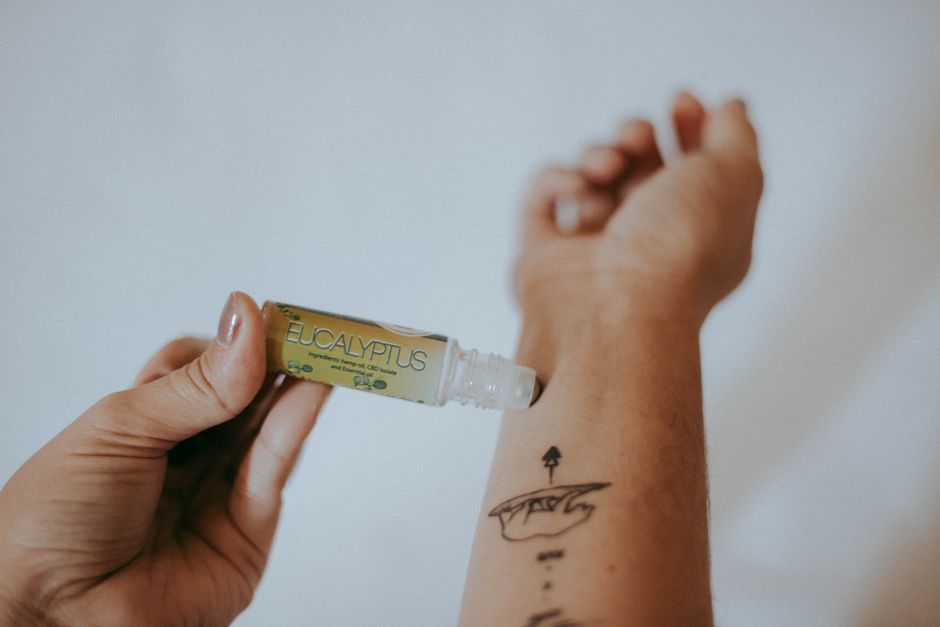
Most bug bites fade on their own within a few days, and the fastest way to make one go away is to stop the itch-scratch cycle, cool the skin, and treat the reaction with an over-the-counter product if needed. The bite itself is your immune system reacting to proteins in insect saliva, not an infection. That reaction is what causes the redness, swelling, and itch — and it is what most treatments are designed to calm.
Why Do Bug Bites Itch So Much?
When a mosquito, flea, or bedbug bites, it injects saliva into your skin. Your immune system recognizes proteins in that saliva as foreign and releases histamine and other chemicals to fight them off. Histamine is what makes blood vessels widen and leak fluid into nearby tissue, producing the raised, red, itchy bump doctors call a wheal.
This is why antihistamines help. They block histamine from docking onto receptors in the skin, which reduces both the swelling and the itch. It also explains why some people barely react to a mosquito bite while others swell up dramatically. The difference is not the bite itself — it is how aggressively each person’s immune system responds.
Scratching makes everything worse. It damages the skin barrier and triggers more histamine release, which makes you itch more. That loop is the single biggest reason a bite that should have faded in a day lasts a week.
What Are the Fastest Ways To Stop a Bug Bite From Itching?
Cold is the most immediate tool you have. Applying an ice pack wrapped in a cloth or a cold compress for 10 to 20 minutes reduces blood flow to the area and numbs the nerve endings that carry the itch signal. It also brings down swelling. Do not put ice directly on bare skin — wrap it in a towel first.
Washing the bite with soap and water as soon as you notice it helps remove any remaining saliva on the skin surface and lowers the chance of introducing bacteria when you scratch. After that, the main over-the-counter options work in different ways:
- Oral antihistamines — Non-drowsy options like loratadine or cetirizine work system-wide and are useful when you have many bites. Diphenhydramine is effective but causes drowsiness, so it is often used at night.
- Topical hydrocortisone — A mild steroid cream that reduces inflammation directly at the bite site. It works best applied early.
- Calamine lotion — Provides a cooling sensation and helps dry out weeping bites. It does not treat the underlying histamine response.
- Topical antihistamine gels — Some people find these helpful, though evidence for their effectiveness is mixed compared with oral antihistamines.
One clarification worth knowing: baking soda paste, toothpaste, and similar home remedies are widely repeated but have no clinical evidence behind them. They are not harmful in most cases, but they are not doing anything a cold compress would not do better.
Do Antihistamines and Steroid Creams Actually Work?
Yes, for the itch and swelling caused by the histamine response. Oral antihistamines are well established for allergic reactions, and the itch from insect bites is fundamentally an allergic reaction. Second-generation antihistamines like cetirizine and loratadine are less sedating and last longer than older options.
Topical hydrocortisone is a mild corticosteroid. It reduces inflammation at the site and is commonly recommended for insect bite reactions. It is not a cure — it manages symptoms while your body clears the reaction on its own. Stronger prescription steroids are sometimes used for severe local reactions, but that decision belongs to a clinician.
What these treatments do not do is speed up how fast the bite disappears. They make the experience more tolerable and reduce the risk that scratching turns a minor bite into an infected one. The underlying reaction still has to run its course.




How Long Should a Bug Bite Last?
Most bites from mosquitoes and similar insects resolve within a few days. Some people develop larger local reactions that can last a week or more. That is still normal if the swelling stays localized and you feel otherwise well.
What is not normal is a bite that keeps growing, becomes hot and increasingly painful, or starts oozing pus. Those are signs of a bacterial infection, not an allergic reaction. Scratching is the main way bacteria get into a bite, which is why keeping nails off the skin matters more than most people realize.
Some people develop a condition called skeeter syndrome — a more intense allergic reaction to mosquito bites that causes significant swelling, warmth, and sometimes low-grade fever. It is not an infection, but it can look like one. If swelling is severe or spreading, it is worth having a clinician look at it.
When Is a Bug Bite a Medical Emergency?
Anaphylaxis is rare with typical mosquito or flea bites, but it can happen with stinging insects like bees, wasps, and hornets. The warning signs are a reaction that goes beyond the bite site:
- Hives spreading across the body
- Swelling of the lips, tongue, or throat
- Difficulty breathing or a tight feeling in the chest
- Dizziness, faintness, or a sudden drop in blood pressure
- Nausea or vomiting shortly after the sting
This is a medical emergency. Call 911. Do not wait to see if it passes. People with known severe allergies to stinging insects are often prescribed an epinephrine auto-injector, and using it early is the standard approach.
For tick bites, the concern is different. Ticks can transmit infections, and the risk depends on the type of tick, how long it was attached, and where you live. If you find an attached tick, remove it promptly with fine-tipped tweezers, pulling straight up without twisting. Save the tick if you can, and watch the bite site and your health over the following weeks. A rash that expands, fever, or flu-like symptoms after a tick bite warrant a call to your doctor.
How Can You Prevent Bug Bites in the First Place?
Prevention is more effective than treatment. The Centers for Disease Control and Prevention recommends EPA-registered insect repellents, and the evidence supports products containing DEET, picaridin, IR3535, or oil of lemon eucalyptus. Concentration affects how long protection lasts, not how well it works.
Other measures that help:
- Wear long sleeves and pants in wooded or grassy areas, and tuck pants into socks when hiking.
- Use permethrin-treated clothing when spending time in tick habitat.
- Remove standing water around your home — even small amounts in plant saucers or clogged gutters can support mosquito breeding.
- Use screens on windows and doors, and consider bed nets in areas with heavy mosquito activity.
Vitamin B supplements, garlic, and ultrasonic devices are popular folk remedies for repelling mosquitoes. Controlled studies have not shown them to be effective. If avoiding bites matters to you, stick with repellents that have regulatory approval and published efficacy data.
What About Bites That Keep Coming Back or Spread?
If you keep getting new bites, the source is still present. Bedbugs, fleas, and mosquitoes all leave patterns. Bedbug bites often appear in lines or clusters on skin exposed during sleep. Flea bites tend to concentrate around the ankles and lower legs. Identifying the pattern can point you toward the right fix — treating the mattress, treating pets, or eliminating standing water.
If bites seem to spread or multiply over days despite no new exposure, that is more likely a skin condition than new bites. Hives, contact dermatitis, and scabies can all mimic insect bites. Scabies in particular causes intense itching that worsens at night and often appears between the fingers, on the wrists, or around the waist. It requires prescription treatment and is not something an antihistamine will resolve.
If you are not sure what is causing a recurring rash, a dermatologist can usually distinguish between insect bites and other skin conditions with a physical exam.
Frequently Asked Questions
How long does it take for a bug bite to go away?
Most mosquito and flea bites fade within a few days, though larger local reactions can last a week or more. If a bite is still growing, hot, or painful after several days, have it checked for infection.
Does scratching a bug bite make it last longer?
Yes. Scratching damages the skin and triggers more histamine release, which increases itching and raises the risk of infection. Keeping nails off the bite is one of the most effective things you can do.
What is the fastest way to stop a bug bite from itching?
A cold compress applied for 10 to 20 minutes reduces swelling and numbs the itch quickly. An oral antihistamine or topical hydrocortisone can extend that relief, especially if you have several bites.
When should I see a doctor for a bug bite?
See a doctor if the bite is spreading, feels hot, oozes pus, or comes with fever. Seek emergency care immediately for swelling of the lips or throat, trouble breathing, or dizziness after a sting.
