
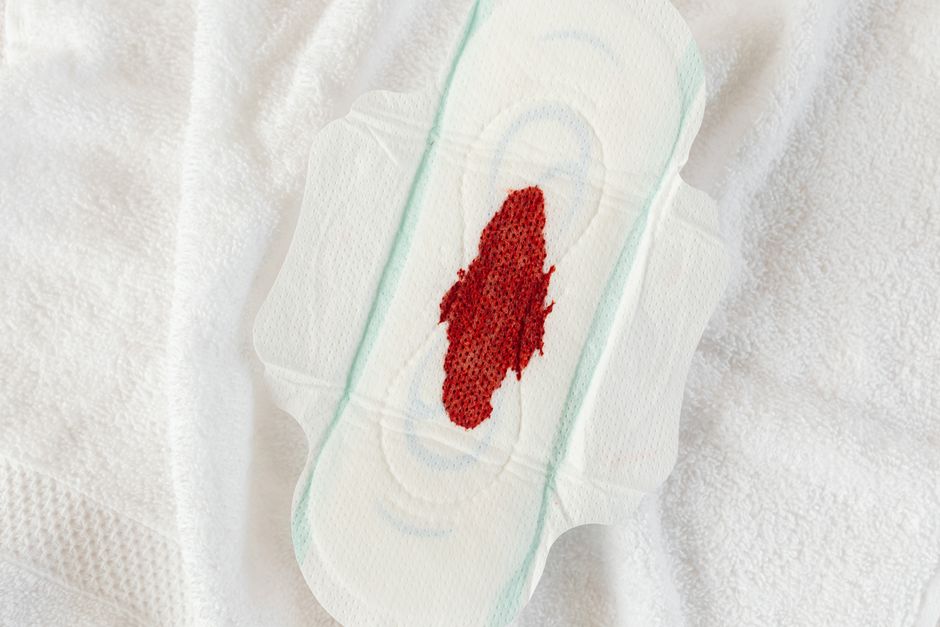
Blood stains are among the most stressful laundry problems, but they are also among the most treatable. The key is timing and the right liquid. Cold water is your primary tool because heat causes blood proteins to bind permanently to fabric fibers. Acting quickly with cold water and a simple detergent will remove most fresh blood stains completely.
Why Cold Water Is Non-Negotiable
Blood contains a protein called hemoglobin. When hemoglobin is exposed to heat, it denatures and coagulates. This process is similar to cooking an egg white — once it sets, it becomes nearly impossible to reverse.
Hot water or a hot dryer will bake the protein into the fabric. This is why the first rule of blood stain removal is always cold water. Even if the stain is hours old, cold water is still the correct starting point. Warm or hot water will only make the problem worse.
For the same reason, never put blood-stained clothing in a dryer until you are certain the stain is completely gone. The heat of the dryer will permanently set any remaining trace of the stain.
The Step-by-Step Process for Fresh Stains
If the blood is still wet, your chances of complete removal are excellent. Start by rinsing the stained area under a stream of cold running water. Hold the fabric with the stain facing down so the water pressure pushes the blood out of the fibers rather than deeper into them.
Once the water runs mostly clear, apply a small amount of liquid laundry detergent directly to the stain. Gently work the detergent into the fabric with your fingers or a soft-bristled brush. Let it sit for five to ten minutes, then rinse again with cold water.
If the stain remains, repeat the process. Most fresh blood stains will lift out after one or two rounds of this treatment. After the stain is gone, wash the garment as you normally would in cold water.
How To Get Blood Out Of Dried Stains
Dried blood stains require more effort, but they are not hopeless. Soaking is the most reliable method. Fill a basin or sink with cold water and add a small amount of laundry detergent or a stain-removal product. Submerge the garment completely and let it soak for at least 30 minutes. For stubborn stains, an overnight soak is reasonable.
After soaking, gently rub the stain with your fingers or a soft brush. The water will have softened the dried blood, allowing it to release from the fibers. Rinse thoroughly and check the stain before washing.
If the stain persists after soaking, consider using an enzymatic cleaner. These products contain proteins that break down biological stains like blood. Follow the product instructions carefully, and always test on an inconspicuous area of the garment first.





Hydrogen Peroxide and Other Household Options
Hydrogen peroxide is a common household remedy for blood stains. It works as an oxidizing agent, breaking down the color compounds in blood. For white or colorfast fabrics, apply a small amount of 3% hydrogen peroxide directly to the stain and blot with a clean cloth.
Hydrogen peroxide can bleach or discolor certain fabrics, especially darker colors. Always test it on a hidden area first. Do not combine hydrogen peroxide with vinegar or other cleaning agents, as this can create irritating fumes.
Salt is another traditional remedy. A paste made from cold water and table salt can be applied to the stain and left for several minutes before rinsing. The salt helps draw moisture and blood out of the fibers. This method works best on fresh stains.
Baking soda mixed with cold water into a paste can also be effective. Apply the paste to the stain, let it dry, then brush it off and rinse. Some people find this works well for older stains, though results vary depending on the fabric and how long the stain has set.
What Not To Do
Several common mistakes can permanently ruin a garment with a blood stain. Never use hot water, as discussed. Never rub the stain vigorously with a dry cloth or paper towel, as this can push the blood deeper into the fibers and spread the stain.
Avoid using bar soap on blood stains. Many bar soaps contain oils or moisturizers that can seal the stain into the fabric. Liquid detergents and specialized stain removers are better choices.
Do not use bleach on blood stains unless the garment is white and you have confirmed the fabric is bleach-safe. Chlorine bleach can react with blood proteins and actually set the stain, making it permanent.
Fabric-Specific Considerations
Delicate fabrics like silk and wool require gentler treatment. For these materials, skip the vigorous scrubbing and enzymatic cleaners, which can damage the fibers. Cold water and a mild detergent are the safest options. If the stain does not come out with gentle treatment, consider taking the garment to a professional cleaner.
For denim, the same cold water and detergent method works well. Denim is durable and can handle a longer soak. Just be aware that some stain removers can fade the indigo dye, so test any product on an inside seam first.
White cotton is the most forgiving fabric for blood stains. It can tolerate stronger treatments like hydrogen peroxide or oxygen-based bleach. Colored cotton requires more caution to avoid fading.
When To Consider Professional Cleaning
Some blood stains are beyond home treatment. If a stain has gone through a hot dryer cycle, it may be permanently set. At this point, professional cleaning is worth trying, but there are no guarantees.
Large or heavily saturated stains, such as those from a significant injury, may also benefit from professional attention. Professional cleaners have access to industrial solvents and techniques that are not available for home use.
For valuable or sentimental garments, professional cleaning is often the safer choice. Attempting aggressive home treatments on an expensive suit or heirloom fabric can cause more damage than the stain itself.
Frequently Asked Questions
Does hot water really set blood stains permanently?
Yes. Heat causes the proteins in blood to coagulate and bond with fabric fibers, making the stain extremely difficult or impossible to remove. Always use cold water for blood stains.
Can I use vinegar to remove blood stains?
Vinegar is sometimes used as a home remedy, but its effectiveness is not well supported by evidence. Cold water and detergent are more reliable options.
How long can a blood stain sit before it becomes permanent?
There is no exact timeline, but the sooner you treat the stain, the better your chances. Stains that have been heat-set in a dryer are the most difficult to remove.
Is hydrogen peroxide safe for all fabrics?
No. Hydrogen peroxide can bleach or discolor many fabrics, especially dark or delicate materials. Always test it on a hidden area before applying it to the stain.
