
Bad breath, or halitosis, affects most people at some point. The good news is that daily habits can fix it for the vast majority of people. Getting better breath comes down to removing the bacteria and food particles that cause the smell, keeping your mouth moist, and avoiding the biggest triggers. Here is what the evidence actually says about habits that work.
What Actually Causes Bad Breath in the First Place?
Bad breath is not mysterious. It is almost always caused by bacteria living in your mouth. These bacteria break down proteins and release sulfur compounds. That is the smell you notice.
The bacteria hide in several places. The back of the tongue is the most common spot. Food gets trapped between your teeth and along the gumline. Old food particles feed the bacteria. Plaque buildup also traps bacteria against your gums.
Dry mouth makes everything worse. Saliva naturally washes away bacteria and food. When your mouth is dry, bacteria multiply faster. This is why morning breath is worse. Your saliva production slows down while you sleep.
Some people worry bad breath comes from their stomach. This is very rare. Research shows that over 85 percent of bad breath originates in the mouth. Unless you have a specific medical condition, your breath problem starts between your teeth and the back of your tongue.
How To Get Better Breath Daily Habits That Work
The most effective daily habit is cleaning your tongue. Studies have found that tongue scraping reduces bad breath more than brushing alone. The back of the tongue is a rough surface where bacteria cling. A plastic or metal tongue scraper removes the white coating that brushing misses.
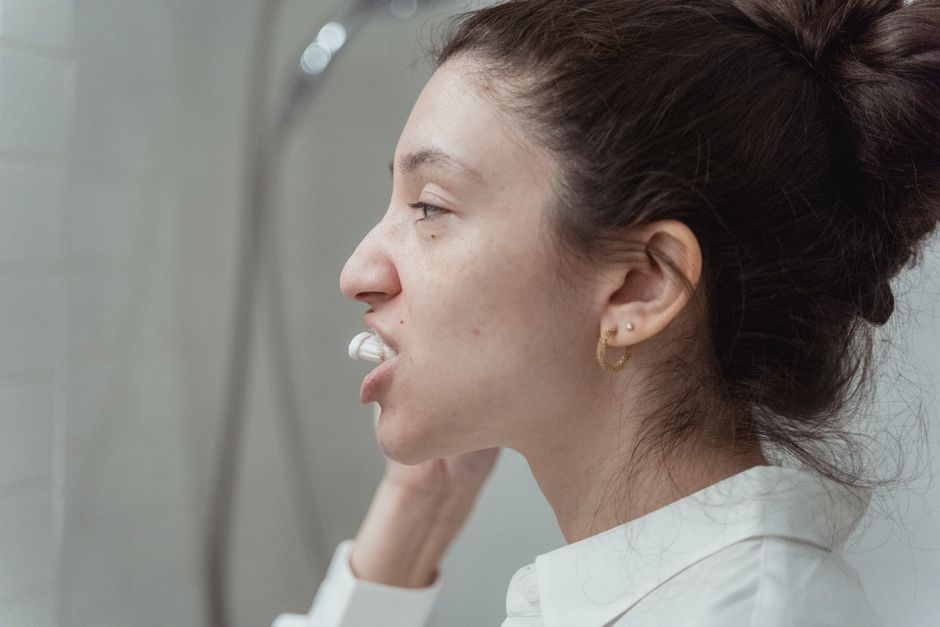
Brush your teeth for a full two minutes twice a day. Electric toothbrushes remove more plaque than manual ones. Pay attention to the gumline where bacteria hide. Most people miss the back molars.
Floss once a day. Food stuck between teeth rots within hours. That rotting food smells. Flossing removes it before bacteria can break it down. Water flossers work well for people who struggle with string floss.
Stay hydrated throughout the day. Sip water regularly. Chewing sugar-free gum stimulates saliva flow. Saliva is your mouth’s natural cleaning system. A dry mouth allows bacteria to thrive.
Use a mouthwash that targets sulfur compounds. Look for mouthwashes containing chlorine dioxide or zinc. These neutralize the smelly gases directly. Alcohol-based mouthwashes can dry your mouth out and make things worse over time.
What Foods and Drinks Make Breath Worse?
Some foods make your breath smell bad for hours. Garlic and onions are the most obvious. The sulfur compounds in these foods enter your bloodstream and travel to your lungs. Brushing does not remove the smell. It fades only when your body processes those compounds.
Coffee is a major contributor to bad breath. Coffee dries out your mouth. It also has a strong smell that lingers. Drinking water alongside coffee helps reduce the effect.
Alcohol also dries out the mouth. Beer, wine, and spirits reduce saliva production. This creates an environment where bacteria multiply. If you drink alcohol, rinse your mouth with water afterward.
Dairy products can cause bad breath in some people. Milk proteins break down into amino acids that bacteria love. Cheese and yogurt are common triggers. If you notice your breath worsens after dairy, cut back and see if it helps.
High-protein and low-carb diets can produce a fruity or chemical smell. This is from ketones. It is not harmful but it is noticeable. Drinking more water helps dilute the effect.





What Products Actually Help and Which Ones Waste Money?
Not all breath products are equal. Some work well. Others are just marketing.
Products that work:
- Tongue scrapers. They remove the bacterial coating that causes most bad breath. Cheap and effective.
- Zinc-containing mouthwashes. Zinc neutralizes sulfur compounds. Use after brushing and flossing.
- Sugar-free gum with xylitol. Xylitol reduces bacteria growth and stimulates saliva.
- Water flossers. They clean between teeth effectively, especially for people with braces or bridges.
Products that waste money:
- Breath sprays. Most just mask the odor for a few minutes. They do not address the cause.
- Probiotic lozenges for breath. Some evidence suggests they may help, but current research is weak. Do not rely on them.
- Charcoal toothpaste. No strong evidence that charcoal improves breath. It can be abrasive to enamel.
- Mints containing sugar. Sugar feeds the bacteria that cause bad breath. Sugar-free mints are better but still temporary.
A simple comparison table helps clarify the best daily routine:
| Habit | Effectiveness | Time Needed |
|---|---|---|
| Tongue scraping | High | 30 seconds |
| Brushing two minutes | High | 2 minutes |
| Flossing | High | 1-2 minutes |
| Hydration | Moderate | All day |
| Mouthwash (zinc) | Moderate | 30 seconds |
| Breath spray | Low | 10 seconds |
When Should You See a Dentist or Doctor?
Good daily habits fix most bad breath. But sometimes the problem is deeper. If you brush, floss, scrape your tongue, and stay hydrated but still have bad breath, see a dentist.
Gum disease is a common cause of persistent bad breath. Bacteria get trapped in pockets between your gums and teeth. A dentist can clean these pockets. Gum disease will not go away with brushing alone.
Tonsil stones can also cause bad breath. These are small white or yellow lumps that form in the crevices of your tonsils. They smell terrible. Some people can remove them at home with gentle pressure. Others need a doctor to help.
Sinus infections and post-nasal drip can cause bad breath. Mucus drains from your sinuses into the back of your throat. Bacteria break down the mucus and produce odor. Treating the sinus infection usually resolves the breath issue.
As of 2026, current research suggests that dry mouth caused by medications is an underrecognized cause of bad breath. Hundreds of common medications list dry mouth as a side effect. Antihistamines, antidepressants, and blood pressure medications are common culprits. If you take medication and have dry mouth, talk to your doctor about alternatives.
Frequently Asked Questions
How often should I scrape my tongue for bad breath?
Once per day is enough. Scrape your tongue in the morning before brushing. Over-scraping can irritate your taste buds.
Does mouthwash alone cure bad breath?
No. Mouthwash only helps temporarily. You must remove the bacteria through brushing, flossing, and tongue scraping for lasting results.
Can bad breath be a sign of something serious?
Rarely. Persistent bad breath can indicate gum disease, sinus infections, or acid reflux. See a dentist if daily habits do not help after two weeks.
Is it better to use a metal or plastic tongue scraper?
Both work equally well. Metal scrapers are easier to clean and last longer. Plastic scrapers are cheaper and gentler on sensitive tongues.
