
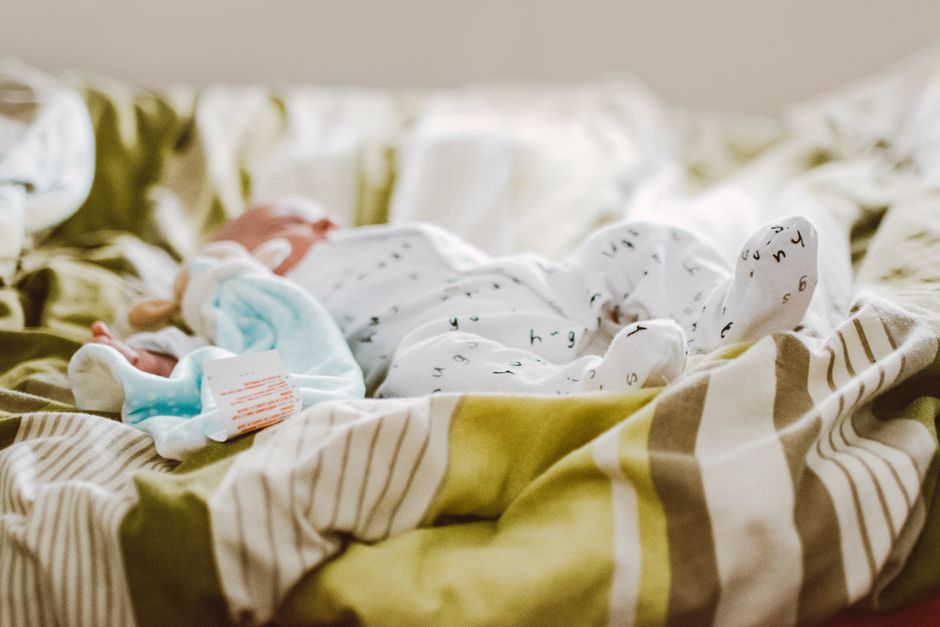
If your baby has learned to fall asleep with a bottle, you are not doing anything wrong. Bottle-sleep associations are one of the most common habits parents run into, and they form because feeding and drowsiness naturally overlap. The way out is gradual: separate feeding from the moment of falling asleep, replace the bottle with another comfort cue, and expect the change to take days to a few weeks rather than one night. Most babies can learn a new way to settle, but the pace depends on age, temperament, and how firmly the routine is changed.
Why Does My Baby Need A Bottle To Fall Asleep?
Babies do not need a bottle to sleep. They need what the bottle has come to signal: fullness, sucking, warmth, and closeness. When that bundle of sensations happens every night right before sleep, the brain links them together. The bottle becomes part of the sleep-onset routine, not just a source of food.
Sucking itself is calming for infants. It is one of the earliest self-soothing behaviors, and it triggers a settled state in many babies. Add a full stomach and a parent’s arms, and you have a powerful sleep cue. When any one piece is missing, a baby who has learned the full package may protest.
This is called a sleep association, and it is normal. Adults have them too — a certain pillow, a dark room, a particular side of the bed. The difference is that adults can recreate their own conditions at 2 a.m. A baby cannot reach for a bottle or warm one up. So when they wake between sleep cycles, as all people do, they need the same conditions to fall back asleep. If a bottle was part of falling asleep, they will look for it again.
Two things often get mixed together here. One is the feeding itself. The other is the timing of the feeding relative to sleep. You can keep the feeding and change the timing. That distinction is the heart of this whole process.
Is It Safe For My Baby To Sleep With A Bottle?
No. A baby should never be put down to sleep with a bottle in the crib or allowed to fall asleep with milk or formula pooling in the mouth.
The concern is not mainly choking, though that is part of it. The bigger and better-documented risk is tooth decay. When milk or formula stays in contact with teeth for long stretches during sleep, sugars feed bacteria that produce acid. This pattern is linked to what dentists call early childhood caries, sometimes called bottle tooth decay. It can affect primary teeth, which matter for chewing, speech, and spacing for adult teeth.
There is also the ear infection connection. When a baby lies flat and drinks, liquid can pool near the eustachian tube, the channel that connects the middle ear to the back of the throat. In infants this tube is shorter and more horizontal than in adults, which makes it easier for fluid to travel the wrong way. That is one reason feeding while lying flat is discouraged.
So the goal is not just better sleep. It is getting the bottle out of the sleep environment entirely. Feed your baby, then move to the sleep routine without the bottle in the crib.
How To Get Baby To Sleep Without A Bottle
The keyphrase here is the whole task: how to get baby to sleep without a bottle. The answer is a sequence, not a single trick.
Start by separating the feed from sleep by a real gap. Feed your baby until they are full and calm, then do something else — a diaper change, a book, a song, a dim room and a cuddle — before putting them down drowsy but awake. The point is to break the chain where bottle leads directly to unconsciousness.
Next, introduce a replacement cue. This can be a sleep sack, a specific song, a pacifier if you use one, a lovey for older babies, or simply your hand on their back. The replacement needs to be something you can repeat at 3 a.m. without a kitchen trip.
Then reduce the bottle’s role gradually rather than all at once. You can shorten the bedtime feed a little each night, or move it earlier in the routine, or water it down only if your pediatric clinician has told you that is appropriate for your baby’s age and health. Do not dilute formula or breast milk on your own without guidance — for a young infant this can affect nutrition and hydration.
Finally, respond to night wakings with the new cue instead of the bottle. This is usually the hardest part, because a baby who has been fed at night may genuinely be used to calories at that hour. If your baby is old enough that night feeds are no longer needed for growth, your clinician can help you decide when and how to drop them. If your baby is still young or has any feeding or growth concerns, night feeds may still be necessary — this is a medical question, not a sleep-training one.
Expect resistance. Crying at the change is common and does not mean the approach is failing. It means the habit is strong.





What Age Can A Baby Stop Needing A Bottle At Bedtime?
There is no single age that applies to every baby, and anyone who gives you one number is oversimplifying. What matters more is developmental readiness and whether night feeds are still needed for nutrition.
Very young infants need to feed overnight, and their feeding schedule should follow medical guidance, not a sleep goal. As babies get older and eat more during the day, many gradually need fewer night feeds. The transition to a cup and the fading of the bedtime bottle often happens alongside the broader move away from bottles, which many clinicians suggest completing around the first birthday, though the exact timing varies.
Two things are worth separating. Dropping the bottle as a sleep prop is a habit change. Dropping night feeds is a nutrition change. They can happen together, but they do not have to. If you are unsure whether your baby still needs overnight calories, that is a question for your pediatric clinician, who can look at weight, growth, and feeding patterns.
What If My Baby Refuses To Sleep Without The Bottle?
Refusal is expected, and it usually eases with consistency rather than with a bigger intervention.
First, check the basics. A baby who is overtired, hungry, teething, or coming down with something will fight any change. Fix the easy things before you decide the method is not working.
Second, keep your response boring and repeatable. If you offer the bottle on some nights and not others, the habit gets stronger, not weaker, because the baby learns that persistence sometimes pays off. Consistency is what teaches the new expectation.
Third, lean on your replacement cue hard in the first few nights. The more predictable the new routine is, the faster it tends to stick. Some families find it helps to have the non-feeding partner handle some night wakings, since a baby may associate one parent with the bottle more strongly.
If your baby is losing weight, feeding poorly during the day, or you are worried about growth or hydration, stop and talk to your clinician. Sleep changes should never come at the cost of adequate feeding.
Common Mistakes That Make It Harder
- Feeding right up to the moment of sleep, which keeps the association intact.
- Offering the bottle again after a few hard nights, which teaches that crying eventually brings it back.
- Changing the whole routine at once instead of one step at a time.
- Diluting formula or breast milk without medical guidance.
- Leaving a bottle in the crib at any point, even “just this once.”
The pattern behind most of these is the same: mixed signals. Babies learn from repetition. When the rules stay the same night after night, the new routine becomes the familiar one.
Frequently Asked Questions
How long does it take to get a baby to sleep without a bottle?
Most families see meaningful change within a few days to a couple of weeks of consistent effort. The timeline varies with age, temperament, and how firmly the routine is held.
Can I put my baby to bed with a bottle if they have no teeth yet?
No. The risk to the mouth and to ear health exists before teeth appear, and the habit is harder to break the longer it continues.
Should I dilute the bedtime bottle to help my baby sleep without it?
Only if your pediatric clinician has specifically told you to, because diluting formula or breast milk can affect an infant’s nutrition and hydration. Do not do it on your own.
What can I use instead of a bottle to help my baby fall asleep?
Any cue you can repeat easily at night works, such as a sleep sack, a song, a pacifier, or your hand on your baby’s back. The best replacement is one you can offer the same way every time.
