
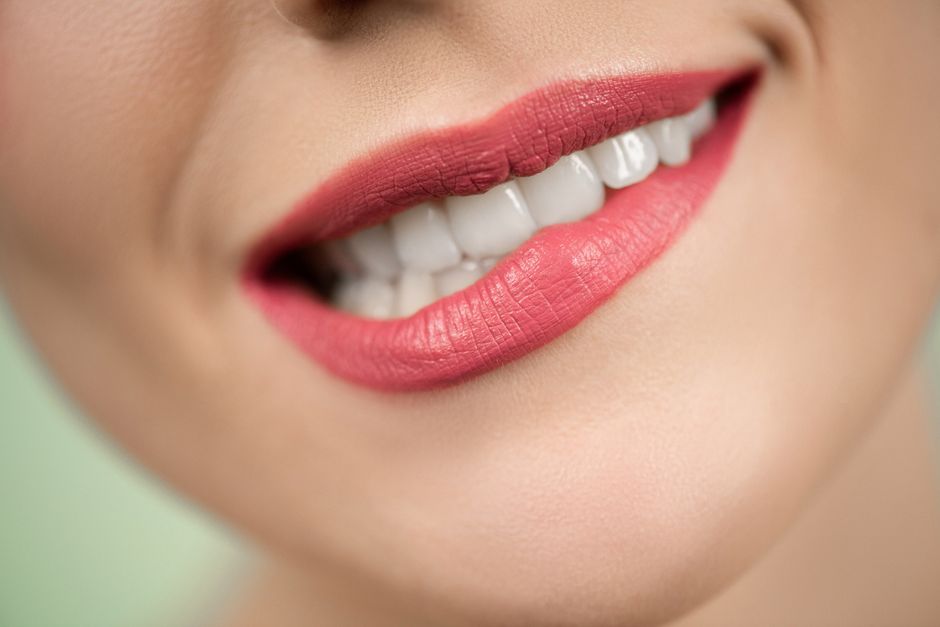
Waking up with a sore, swollen, or scalloped tongue is more common than most people realize. Biting your tongue during sleep is not a normal habit, but it is a recognized symptom with identifiable causes. For most people it happens occasionally and is harmless. When it happens night after night, it usually points to one of a few specific sleep-related conditions that a doctor or dentist can evaluate.
Is It Normal To Bite Your Tongue In Your Sleep?
Occasional tongue biting during sleep is common and usually not a sign of anything serious. Frequent or forceful biting is not normal and deserves a medical look.
The distinction matters. A one-time bite during a night of poor sleep, a cold, or unusual stress is not a pattern. Repeated bites — especially ones that leave visible marks, bleed, or wake you up — suggest something is happening during sleep that is disrupting the normal protective reflexes that keep your teeth and tongue apart.
During healthy sleep, the tongue rests against the roof of the mouth and the jaw muscles relax in a controlled way. The brainstem actively suppresses most muscle movement during REM sleep, a state called REM atonia. When that system works, your tongue stays out of the way of your teeth. When it does not, biting becomes possible.
Two broad categories of problems interrupt this. One is a sleep-related breathing disorder, most often obstructive sleep apnea. The other is a sleep-related movement or seizure disorder. Both are diagnosable and treatable, and both are frequently missed.
What Causes Tongue Biting During Sleep?
The most common cause in adults is obstructive sleep apnea, a condition in which the upper airway repeatedly narrows or closes during sleep. When breathing pauses, the brain briefly arouses the sleeper to reopen the airway. That arousal can trigger a sudden jaw clench or tongue thrust — and the tongue gets caught between the teeth.
Other causes include:
- Sleep bruxism — involuntary grinding or clenching of the teeth during sleep. Bruxism is common and can involve the tongue if the jaw shifts sideways during a clench.
- Sleep-related seizures — a type of epilepsy that occurs during sleep. Tongue biting, particularly on the side of the tongue, is a recognized feature of generalized seizures. A bite on the side of the tongue is more suggestive of a seizure than a bite on the tip.
- REM sleep behavior disorder — a condition in which the normal paralysis of REM sleep fails, and the sleeper acts out dreams. This can involve biting, punching, kicking, or shouting.
- Medication side effects — some antidepressants and other drugs can increase muscle activity during sleep.
- Dental or jaw problems — an abnormal bite, missing teeth, or a poorly fitting dental appliance can change how the tongue sits in the mouth.
- Anxiety and stress — these can increase clenching and grinding, though the link to actual tongue biting is less direct.
In children, the picture is a little different. Occasional tongue biting during sleep is more common and often outgrows itself. Persistent biting in a child, especially with other symptoms, should still be evaluated.
How Do You Know If It Is Sleep Apnea?
Sleep apnea is the single most likely explanation for new, repeated tongue biting in an adult who also snores. The connection is well established in sleep medicine.
Signs that point toward sleep apnea include:
- Loud, chronic snoring
- Witnessed pauses in breathing during sleep
- Waking up gasping or choking
- Morning headaches
- Dry mouth or sore throat on waking
- Daytime sleepiness despite a full night in bed
- Irritability, trouble concentrating, or memory problems
Not everyone with sleep apnea snores, and not everyone who snores has sleep apnea. But the combination of snoring and tongue biting is a strong reason to get tested.
The standard test is a sleep study, either in a lab or at home. It measures breathing, oxygen levels, brain waves, and muscle activity. A diagnosis is based on how many times per hour breathing stops or slows. An apnea-hypopnea index of 5 or more events per hour, with symptoms, meets the usual threshold for diagnosis. An index of 15 or more is considered moderate, and 30 or more is severe.
Treatment usually starts with CPAP, a machine that delivers air pressure through a mask to keep the airway open. Other options include oral appliances, positional therapy, and in some cases surgery. Weight loss helps in people who carry extra weight, though it is not a quick fix.





When Is Tongue Biting a Sign of Something More Serious?
Tongue biting can be the first visible sign of a seizure disorder, and that possibility deserves attention.
A few features make a seizure more likely than a sleep breathing problem:
- The bite is on the side of the tongue rather than the tip
- It is severe enough to bleed or leave a deep wound
- It happens alongside bedwetting, confusion on waking, or muscle soreness
- There is a history of staring spells, unusual movements, or prior seizures
- It happens in a person with a known neurological condition
Sleep-related seizures are a real category of epilepsy. They happen during sleep and can be missed for years because no one witnesses them. Tongue biting is one of the more specific signs. If a doctor suspects seizures, the next step is usually a neurological evaluation and an EEG, sometimes done overnight or after sleep deprivation to increase the chance of catching abnormal activity.
REM sleep behavior disorder is another possibility, especially in older adults. In this condition, the normal muscle paralysis of REM sleep is lost. People may act out dreams — talking, shouting, flailing, or biting. It is associated with certain neurological conditions that can develop years later, so a diagnosis is worth pursuing.
What Does a Bitten Tongue Look Like?
A bitten tongue usually shows as a tender, red, or swollen area, sometimes with a visible indentation from the teeth. The edges of the tongue may look scalloped, a pattern sometimes called crenated tongue.
Scalloped edges are not always from biting. They can also come from the tongue pressing against the teeth because of swelling, a large tongue, or habitual clenching. The pattern alone does not confirm a diagnosis.
Signs that a bite needs medical attention include:
- Bleeding that does not stop
- A deep cut or a wound that will not heal
- Signs of infection — increasing pain, swelling, redness, or fever
- Difficulty speaking, swallowing, or breathing
- Numbness or loss of taste that persists
Most minor bites heal on their own within a few days. Saltwater rinses and avoiding spicy or acidic foods can reduce discomfort. If a bite is severe, a doctor or dentist can assess whether stitches or other treatment are needed.
What Can You Do About It?
The right step depends on the cause, which is why an evaluation matters more than a home remedy.
If sleep apnea is suspected, ask your doctor about a sleep study. Treating apnea often stops the tongue biting because it removes the arousals that trigger the clench.
If bruxism is the main issue, a dentist can fit a night guard. A guard protects the teeth, though it does not always stop the underlying clenching. Some people find relief with stress management, relaxation before bed, or treating an underlying sleep disorder.
If seizures are possible, see a neurologist. Anti-seizure medication is often effective, and the choice depends on the type of seizure and the person.
General sleep habits help across the board: a consistent sleep schedule, a dark and quiet room, limiting alcohol and caffeine close to bedtime, and avoiding screens that keep you alert. Alcohol in particular relaxes the airway muscles and can worsen both apnea and clenching.
Do not ignore a pattern. One bite is a nuisance. Repeated bites are a message from your body that something during sleep is not working the way it should.
Frequently Asked Questions
Is biting your tongue in your sleep a sign of a seizure?
It can be, especially if the bite is on the side of the tongue and is severe enough to bleed. But sleep apnea and bruxism are more common causes, so a medical evaluation is needed to tell them apart.
Can sleep apnea cause tongue biting?
Yes. Sleep apnea is one of the most common causes of repeated tongue biting in adults. The breathing pauses trigger arousals that can cause a sudden jaw clench or tongue thrust.
Should I see a doctor for tongue biting during sleep?
See a doctor if it happens repeatedly, if the bites are severe, or if you have other symptoms like snoring, daytime sleepiness, or confusion on waking. A one-time minor bite usually does not need medical attention.
Does a night guard stop tongue biting?
A night guard protects the teeth from grinding but does not always stop the tongue from being bitten. If the cause is sleep apnea or a seizure disorder, a guard will not fix the underlying problem.
