
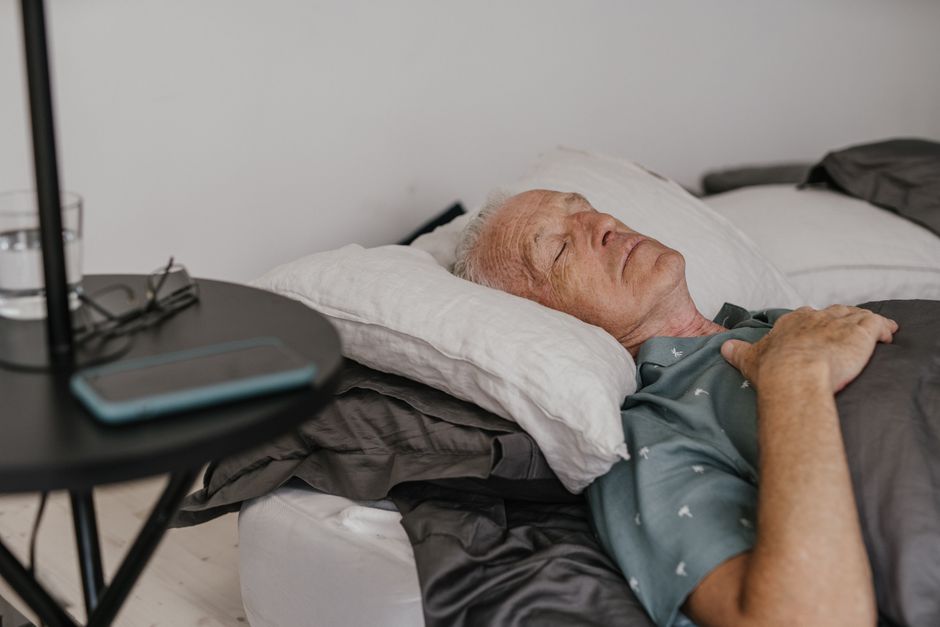
Chest congestion makes lying down feel like a mistake. The pressure builds, the cough gets worse, and sleep keeps slipping away. The fix starts with gravity: sleeping with your head and chest higher than your stomach helps mucus drain instead of pooling. Most people with a stuffy, heavy chest sleep best on their side or back with the upper body propped up, and adding moisture to the air and a dose of the right medicine before bed can make the night easier.
Why Does Chest Congestion Get Worse When You Lie Flat?
Gravity is the whole story. When you stand or sit, mucus in your airways drains downward and you clear it by coughing or swallowing without thinking about it. When you lie flat, that drainage slows and mucus collects in the larger airways and the back of your throat.
That pooling triggers the cough reflex more often. It also makes breathing feel heavier, because the same narrow airways now have fluid sitting in them. Postnasal drip from a cold or allergy adds to the problem — lying down lets that drip slide straight down your throat, which is why so many people wake up coughing.
This is also why congestion often feels worst in the early morning. Hours of lying flat let mucus build up overnight, so the first cough of the day is usually the heaviest.
One clarification worth knowing: chest congestion is not the same as a chest cold or pneumonia. Most of what people call chest congestion is mucus in the airways from a viral infection, allergies, or irritation. It is uncomfortable, but it is not the same as fluid in the lungs, which is a separate and more serious problem.
What Is the Best Sleeping Position for Chest Congestion?
Sleeping on your side with your upper body elevated is the most practical position for most people. It keeps your head above your chest, which lets gravity help drainage, and it keeps your airway open.
The left side is often suggested because of how the stomach and esophagus sit, but the evidence that left is clearly better than right for congestion is thin. What matters more is that you stay elevated and off your back.
Sleeping on your back is the position most likely to make congestion feel worse. On your back, mucus settles in the back of the throat and the cough reflex fires more easily. If you must sleep on your back — because of a shoulder injury, for example — keep your upper body raised.
Stomach sleeping is generally a poor choice when you are congested. It flattens your chest, restricts how deeply you can breathe, and does nothing to help drainage.
How High Should You Elevate Your Head and Chest?
Raise your upper body so your head sits above your chest, not just your head above your pillow. A common approach is to lift the head of the bed itself, or to build a gradual slope with pillows under your back and shoulders rather than stacking pillows only under your head.
Stacking pillows under the head alone tends to bend your neck forward. That can narrow your airway and make breathing feel worse, not better. The goal is a gentle incline from the waist up.
A few practical ways to do this:
- Place a wedge pillow under your upper back so your whole torso slopes upward.
- Put blocks or folded blankets under the legs at the head of the bed to tilt the whole mattress.
- Use a firm pillow under your shoulders plus one under your head to keep your neck neutral.
You do not need a steep angle. A modest incline is usually enough to help drainage without putting strain on your neck or lower back. If you wake with neck or back pain, the angle is too steep or your support is in the wrong place.





What Else Helps You Sleep With Chest Congestion?
Position is the foundation, but a few other steps make a real difference.
Moisture in the air. Dry air irritates airways and thickens mucus. A cool-mist humidifier in the bedroom can help. Keep it clean — a dirty humidifier can spread mold and bacteria into the air, which defeats the purpose.
Fluids during the day. Staying hydrated helps keep mucus thinner and easier to clear. There is no strong evidence that drinking extra water at night helps, and it may just wake you up to use the bathroom.
Saline nasal rinses. If postnasal drip is part of your problem, rinsing your nasal passages with saline before bed can reduce the drip that triggers night coughing. Use distilled, sterile, or previously boiled and cooled water — never straight tap water.
Over-the-counter options. Decongestants can shrink swollen nasal tissue, and expectorants like guaifenesin are commonly used to loosen mucus. The evidence for expectorants is modest, and decongestants can raise blood pressure and disrupt sleep. People with high blood pressure, heart conditions, or thyroid problems should check with a clinician before using decongestants.
Avoid alcohol and heavy meals before bed. Alcohol relaxes the airway and can worsen snoring and reflux. Large late meals increase reflux, which irritates the throat and can mimic or worsen congestion.
When Is Chest Congestion a Sign of Something More Serious?
Most chest congestion from a cold or allergy improves within a week or two. Some symptoms mean you should stop self-treating and get medical care.
- Shortness of breath at rest, or trouble breathing that is getting worse.
- Chest pain, especially pain that worsens with breathing.
- A fever that is high or lasting more than a few days.
- Coughing up blood, or mucus that is thick, foul-smelling, or discolored in a way that concerns you.
- Symptoms that last more than three weeks or keep getting worse.
These can point to pneumonia, bronchitis, or another condition that needs evaluation. Do not wait it out if breathing is genuinely hard.
People with asthma, COPD, heart failure, or a weakened immune system should be quicker to seek care. In these groups, congestion can escalate faster and needs a clinician’s eye.
Does Sleeping Position Help Other Kinds of Congestion?
Yes, with some differences. Sinus congestion and postnasal drip respond well to the same elevation principle, because keeping your head up reduces the drip that pools in your throat.
If reflux is part of your problem — and it often overlaps with night coughing — sleeping on your left side with your upper body elevated is commonly recommended. Reflux sends stomach acid up the esophagus, which irritates the throat and can feel like congestion.
For people with sleep apnea, position matters differently. Sleeping on your back can worsen apnea, and congestion can worsen apnea too. If you snore heavily, wake gasping, or feel exhausted despite a full night, that is worth a conversation with a clinician rather than a pillow adjustment.
How Long Should You Expect This to Last?
Viral chest congestion usually eases within one to two weeks, though a lingering cough can last longer. Position changes help you sleep through that stretch; they do not shorten the illness itself.
If congestion is from allergies, it will keep returning until you address the trigger. If it is from reflux, it tends to improve when the reflux is managed. Matching the fix to the cause matters more than any single sleep trick.
Frequently Asked Questions
What is the best sleeping position for chest congestion?
Sleeping on your side with your upper body elevated is the most practical choice for most people. It keeps your head above your chest so gravity helps mucus drain instead of pooling.
Should I sleep on my left or right side with chest congestion?
The left side is often suggested because of how the stomach and esophagus sit, but the evidence that left is clearly better than right is thin. Staying elevated and off your back matters more than which side you choose.
How high should I elevate my head for chest congestion?
Raise your whole upper body so your head sits above your chest, not just your head above a stack of pillows. A modest incline is usually enough; a steep angle tends to cause neck and back strain.
When should I see a doctor for chest congestion?
Seek care if you have shortness of breath, chest pain, a high or lasting fever, or you are coughing up blood. Symptoms that last more than three weeks or keep worsening also need evaluation.
