
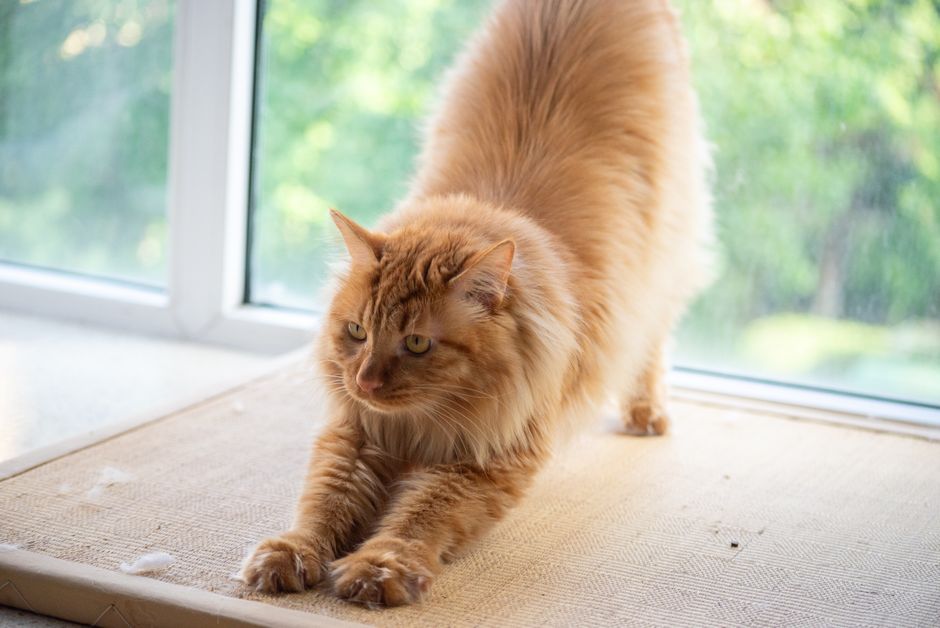
If your cat’s nose is dry and cracked, the cause is usually something simple like low humidity, dehydration, or a mild environment irritant. A cat’s nose is normally a little cool and slightly damp, but a dry nose by itself is not a reliable sign of illness. You can often help it naturally by increasing water intake, adding moisture to the air, and removing anything that may be drying out the skin.
That said, a persistently dry, crusty, or cracked nose can sometimes point to a medical issue that needs a veterinarian. This guide covers what actually works, what does not, and when a dry nose is worth a closer look.
Why Is My Cat’s Nose Dry?
A cat’s nose is covered in a thin layer of mucus that helps trap scent particles and supports their sense of smell. When that layer dries out, the nose can feel rough or look crusty. The most common everyday reasons are environmental and not concerning.
Low indoor humidity is a frequent culprit, especially in winter or in air-conditioned homes. Dry air pulls moisture from exposed skin, and a cat’s nose is one of the most exposed spots on its body. Dehydration plays a role too. A cat that is not drinking enough will show it in the nose and gums before many other signs appear.
Other common causes include:
- Lying near heaters, vents, or in direct sun for long periods
- Fever, which raises body temperature and speeds moisture loss
- Age, since older cats often have drier skin overall
- Certain medications, including some antihistamines, that reduce secretions
- Plastic food or water bowls, which some cats react to
It is a common myth that a warm, dry nose automatically means a cat is sick. A healthy cat can have a dry nose, and a sick cat can have a wet one. The nose’s moisture level is a weak signal on its own. What matters more is your cat’s overall behavior, appetite, energy, and other symptoms.
How Can I Get My Cat’s Nose Wetter Naturally?
The most effective natural approach is to address the underlying cause, usually hydration and air moisture. You cannot simply “wet” a cat’s nose in a lasting way from the outside, since any moisture you add evaporates within minutes. The goal is to help your cat’s body maintain its own moisture balance.
Start with water. Cats evolved from desert-dwelling ancestors and have a naturally low thirst drive. Many cats do not drink enough on their own. Encouraging water intake is the single most useful step.
- Switch to a water fountain. Many cats drink more from moving water.
- Add a little extra water or unsalted broth to wet food.
- Offer multiple water bowls in different rooms, kept clean and full.
- Feed wet food, which contains far more water than dry kibble.
Next, address the air. Running a humidifier in the room where your cat spends most of its time can raise humidity and reduce moisture loss from the nose and skin. Keep indoor humidity in a comfortable range and avoid placing your cat’s bed directly under vents or beside heaters.
You can also gently wipe a crusty nose with a warm, damp cloth. This removes dried debris and can feel soothing. Use plain warm water. Do not use human lotions, petroleum jelly, or medicated ointments on your cat’s nose unless a veterinarian tells you to. Cats groom their faces and will lick off anything you apply, and some products are not safe to ingest.
If your cat tolerates it, a small amount of a cat-safe moisturizer recommended by your vet may help cracked skin. Ask first. There is no clinical guideline that establishes a specific over-the-counter product as safe and effective for this use in cats.
Does a Dry Nose Mean My Cat Is Sick?
No. A dry nose alone is not a reliable indicator of illness. This is one of the most persistent myths in cat care. Veterinarians do not diagnose illness based on nose moisture.
What matters is the full picture. A dry nose becomes more meaningful when it appears alongside other signs. Watch for:
- Loss of appetite or refusing food
- Lethargy or hiding more than usual
- Vomiting, diarrhea, or changes in litter box habits
- Discharge from the nose or eyes
- Labored breathing, sneezing, or coughing
- Weight loss
If a dry nose shows up with any of these, it is worth a vet visit. The nose is a minor clue, not a diagnosis. A cat that is eating, playing, and behaving normally with a dry nose is usually fine.
One useful distinction: a nose that is dry and warm from a fever will typically come with other signs like lethargy and poor appetite. A dry nose from dry air or mild dehydration usually does not. Context is everything.





When Should I See a Veterinarian About a Dry Nose?
See a veterinarian if the dryness is severe, persistent, or comes with other symptoms. Crusting, cracking, bleeding, or sores on the nose are not normal and should be checked. These can have several possible causes, and a vet is the only one who can sort them out.
Possible medical causes of a persistently dry or crusty nose include skin conditions, infections, immune-related problems, and other underlying diseases. Because many different conditions can produce a similar appearance, it is not something to self-diagnose. A veterinarian may examine the nose, ask about your cat’s history, and run tests if needed.
Seek care promptly if you notice:
- Cracked or bleeding skin on the nose
- Sores, scabs, or discoloration
- Nasal discharge that is thick, colored, or bloody
- Difficulty breathing
- Your cat stops eating or drinking
- Rapid weight loss or extreme lethargy
These signs can indicate something that needs treatment. Do not wait to see if it resolves on its own.
What Actually Helps vs. What Does Not
Some popular home remedies for a dry cat nose are harmless but useless. Others can be risky. Knowing the difference saves you time and protects your cat.
| Approach | Does it help? | Notes |
|---|---|---|
| Water fountains and wet food | Yes, for hydration-related dryness | Most useful natural step |
| Room humidifier | Yes, for dry-air causes | Helps the whole environment |
| Warm damp cloth wipe | Yes, for crust | Use plain water only |
| Human lotion or petroleum jelly | No | Cat may lick it off; not all are safe to ingest |
| Coconut oil or olive oil | Unproven | No clinical evidence confirms benefit; ask your vet first |
| Vaseline on a cracked nose | Not recommended without vet advice | Can be ingested during grooming |
The pattern is simple. Things that improve your cat’s hydration and its environment address the real cause. Things you smear on the nose are mostly temporary and can create new problems if your cat licks them off.
Can Diet and Hydration Prevent a Dry Nose?
Good hydration and a balanced diet support healthy skin and mucous membranes, which can reduce dryness. There is no single food that targets the nose specifically, but overall nutrition matters for skin health.
Cats are obligate carnivores and need animal-based protein and certain nutrients, including the amino acid taurine, which is essential for them. A complete and balanced commercial cat food meets these needs. If you feed homemade food, work with a veterinarian or veterinary nutritionist to make sure the recipe is complete, since unbalanced diets can cause serious deficiencies over time.
Water intake is the more direct lever for a dry nose. Wet food is roughly three-quarters water, while dry kibble is closer to one-tenth water. For a cat prone to dryness or dehydration, wet food can meaningfully increase total water intake. This is general dietary guidance and not a treatment for a specific medical condition.
If your cat has a diagnosed condition affecting hydration or skin, follow your veterinarian’s specific advice rather than general tips.
Frequently Asked Questions
How do I get my cat’s nose wet naturally?
Increase your cat’s water intake with fountains and wet food, and add humidity to the air with a humidifier. You can also gently wipe a crusty nose with a warm, damp cloth using plain water.
Is a dry nose on a cat a sign of illness?
No, a dry nose alone is not a reliable sign of illness. It becomes more meaningful only when it appears with other symptoms like poor appetite, lethargy, or nasal discharge.
Can I put Vaseline or coconut oil on my cat’s dry nose?
Do not apply these without asking your veterinarian first, because cats groom their faces and may swallow what you put on their nose. No clinical evidence confirms these are safe and effective for this use in cats.
When should I take my cat to the vet for a dry nose?
See a vet if the nose is cracked, bleeding, crusty, or has sores, or if your cat also has trouble breathing, stops eating, or loses weight. A persistently dry nose that does not improve is also worth checking.
A dry cat nose is usually a minor, manageable issue tied to hydration and environment, not a disease in itself. Focus on water, humidity, and a clean, safe routine. If things do not improve or other signs appear, let a veterinarian take a look.
