
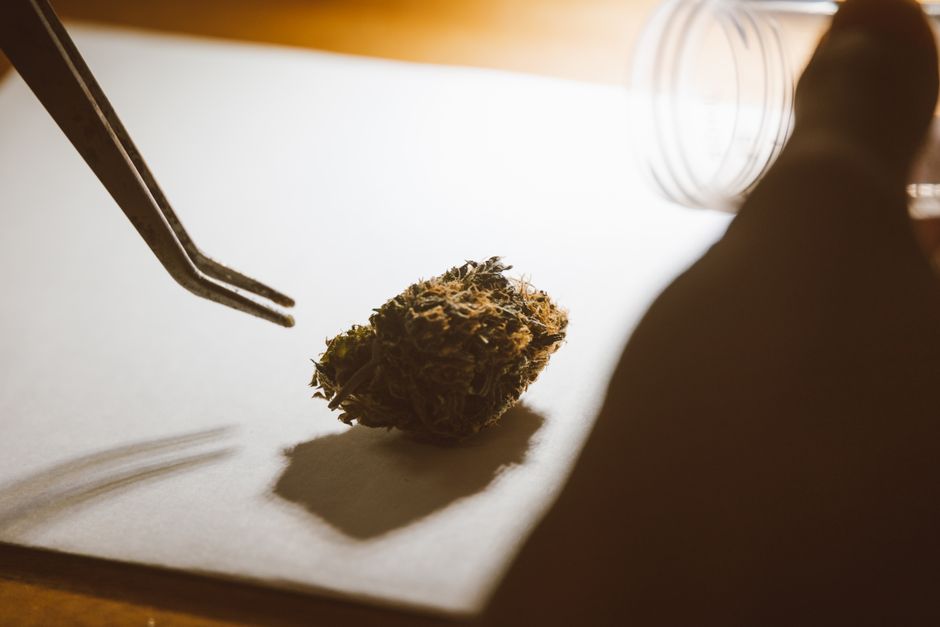
Getting a medical marijuana card in Washington State is a straightforward process, but it looks different than it does in most other states. The state does not have a registry or a physical card you carry. Instead, your “card” is a written certification from a licensed healthcare provider that you keep on file with a state-licensed dispensary. Once a qualifying provider approves you, that certification is valid for six months, and you can use it to purchase medical cannabis at any licensed retail store in the state.
What Is the Washington State Medical Marijuana Program?
Washington was one of the first states to legalize medical cannabis in 1998. In 2012, the state also legalized recreational marijuana. That changed how the medical program works. Today, the medical program and the recreational market are blended together. You do not need a card to buy cannabis in Washington. Anyone 21 and older can walk into a licensed store and purchase it.
So why get a medical marijuana authorization at all? The main reasons are cost and access. Medical patients pay a lower sales tax rate. The state exempts medical marijuana from the regular retail sales tax, which saves you roughly 37% compared to recreational prices. Medical patients can also possess more cannabis than recreational users. The legal possession limit for medical patients is three times the recreational limit, which means you can hold up to 72 ounces of usable flower with a valid authorization.
Who Qualifies for a Medical Marijuana Card in Washington?
Washington law lists specific qualifying conditions. You must have one of these diagnosed by a healthcare provider to receive a medical cannabis authorization. The list includes cancer, HIV/AIDS, hepatitis C, Crohn’s disease, and post-traumatic stress disorder (PTSD). It also covers conditions that cause severe nausea, seizures, or persistent muscle spasms, such as epilepsy and multiple sclerosis.
There is also a catch-all category. A provider can certify you if you have a terminal or debilitating condition that causes severe pain, nausea, or wasting syndrome. This gives providers some flexibility, but it does not mean anyone can get a card. The provider must genuinely determine that cannabis may help your condition. You need a real medical reason, not just a preference for lower taxes.
How To Get A Medical Marijuana Card In Washington State: Step by Step
The process involves four clear steps. First, you need a qualifying medical condition. Second, you must find a healthcare provider who is licensed in Washington and willing to evaluate you. Third, you get a written medical cannabis certification from that provider. Fourth, you take that certification to a licensed dispensary and register as a medical patient.
Your primary care doctor may or may not be willing to write the certification. Many doctors are comfortable discussing cannabis, but some are not. If your doctor declines, you can see a provider who specializes in cannabis evaluations. These are legitimate medical clinics with licensed physicians, nurse practitioners, or physician assistants. They will review your medical records, discuss your condition, and decide if cannabis is appropriate for you.
The certification itself is a form called the Medical Marijuana Authorization Form. The provider fills it out and gives you a copy. You do not send this form to the state. You keep it and bring it to a dispensary. The dispensary enters your information into the state’s medical cannabis database so you get the tax break and possession limit.





What Does the Medical Evaluation Cost and How Long Does It Take?
Costs vary depending on where you go. A cannabis evaluation with a specialized clinic typically costs between $100 and $200. Some clinics charge more for follow-up visits or for patients with complex medical histories. Your regular health insurance will not cover this evaluation because medical marijuana is still illegal at the federal level, and insurance companies do not pay for federally illegal substances.
The evaluation itself is usually quick. A typical appointment lasts 15 to 30 minutes. The provider will ask about your symptoms, your medical history, and any medications you take. They are not just checking a box. They need to confirm that you have a qualifying condition and that cannabis is not likely to cause you harm. If you are taking certain medications that interact with cannabis, the provider may discuss those risks with you before certifying you.
Do You Need to Renew Your Medical Marijuana Authorization?
Yes. In Washington, a medical cannabis authorization expires six months after it is issued. You must see a healthcare provider again to get a new certification. This is not an automatic renewal. You need a fresh evaluation each time, though many clinics offer streamlined renewal appointments for existing patients.
If your authorization expires, you do not lose access to cannabis entirely. You simply return to recreational status. That means you pay the higher retail tax and you are limited to the recreational possession amounts. Many patients let their authorization lapse and just buy recreationally when they need a small amount, then renew their medical status later if they want the savings.
Can You Buy Medical Marijuana at Any Dispensary in Washington?
Not exactly. Every licensed cannabis retailer in Washington is allowed to serve medical patients, but not every store chooses to participate in the medical program. Stores that opt in are called medical-endorsed retailers. They have staff trained to handle medical authorizations and they are connected to the state’s medical cannabis database. You need to shop at one of these stores to get your medical tax exemption.
When you visit a medical-endorsed store for the first time, bring your authorization form and a valid government-issued ID. The store will scan your form and register you in the system. After that, the tax break applies to your purchases at that store. If you shop at a different medical-endorsed store later, they can look you up in the database, but it is smart to bring your paperwork with you anyway.
What Are the Real Benefits of a Washington Medical Marijuana Card?
The financial benefit is the most concrete reason to get certified. The tax savings are significant and add up quickly if you use cannabis regularly. For someone buying a few grams a week, the difference between medical and recreational pricing can save hundreds of dollars a year.
The possession limit is another practical benefit. Recreational users in Washington can legally possess up to one ounce of flower or seven grams of concentrate. Medical patients can possess up to 72 ounces of flower and larger amounts of concentrates. This matters if you prefer to buy in bulk or if you use cannabis frequently enough that an ounce does not last long.
Medical patients also get access to higher-potency products. Washington caps the potency of recreational cannabis concentrates at 1 gram of THC per 1 gram of product. Medical patients are exempt from this cap. Some patients genuinely need higher-potency products to manage severe symptoms, and the medical authorization is the only legal way to access them.
Are There Any Risks or Downsides to Getting Certified?
There are a few things to consider. Your medical cannabis authorization is not a federal document. It does not protect you from federal law, and it does not allow you to possess cannabis on federal property like national parks or military bases. If you travel to another state, your Washington authorization is not recognized there.
There is also the question of privacy. Washington does have a confidential medical cannabis database, and your information is not public. However, the fact that you have a medical authorization is part of your medical record with the provider who certified you. If you have concerns about this, talk to the clinic before your appointment about how they store and share your records.
Finally, be honest with yourself about the medical reality. Cannabis is not a cure for any condition. It is a treatment option that helps some people manage symptoms. The evidence is strongest for chronic pain, chemotherapy-induced nausea, and certain forms of epilepsy. For other conditions, the evidence is more limited. Your provider should give you an honest picture of what cannabis can and cannot do for your specific situation.
Frequently Asked Questions
How long does a medical marijuana card last in Washington State?
A medical cannabis authorization in Washington is valid for six months from the date it is issued. After that, you need a new evaluation from a healthcare provider to renew it.
Can any doctor write a medical marijuana recommendation in Washington?
Any healthcare provider licensed in Washington can write a certification, but not all doctors choose to do so. You can see your primary care doctor or a clinic that specializes in cannabis evaluations.
Do I need a medical marijuana card to buy cannabis in Washington?
No. Washington allows anyone 21 and older to buy cannabis recreationally without any card. A medical authorization only gives you tax savings, higher possession limits, and access to higher-potency products.
Does insurance cover the cost of a medical marijuana evaluation?
No. Health insurance does not cover medical cannabis evaluations because cannabis remains illegal at the federal level. You will pay for the evaluation out of pocket, typically between $100 and $200.
