
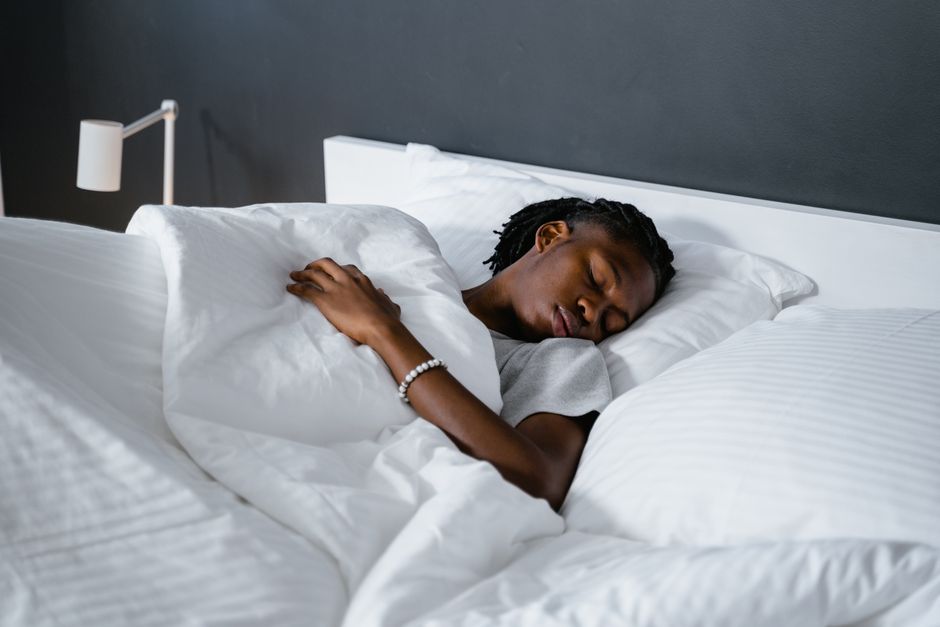
Sleep is not a luxury. It is a biological necessity, as essential as food and water. Getting a good night’s sleep comes down to aligning your habits with your body’s natural rhythms: keep a consistent schedule, get morning sunlight, and create a cool, dark, and quiet bedroom. That is the straightforward answer. The harder part is actually doing it, and understanding why it matters so much.
Why Is Sleep So Important for Health?
Sleep is when your body repairs itself. Your brain clears out waste products that build up during the day. Your immune system strengthens. Your heart rests and recovers.
The CDC reports that one in three adults does not get enough sleep. Chronic sleep loss is linked to high blood pressure, diabetes, depression, and obesity. It also makes you more likely to get into a car accident or make a mistake at work.
Think of sleep as the nightly maintenance shift for your body. If you skip it, the damage accumulates. Over time, poor sleep raises your risk for serious health problems.
What Is the Single Most Effective Way to Improve Sleep?
Research shows that keeping a consistent sleep schedule is the most powerful tool. Going to bed and waking up at the same time every day—including weekends—helps set your internal clock.
Your body runs on a roughly 24-hour cycle called the circadian rhythm. When you change your sleep time by even an hour, it is like giving your body jet lag. Studies have found that irregular sleep schedules are linked to poorer sleep quality and worse health outcomes.
Morning sunlight is the second most effective step. Light exposure in the first hour after waking tells your brain it is daytime. This helps you feel alert in the morning and makes it easier to fall asleep at night.
Aim for 15 to 30 minutes of outdoor light within an hour of waking. Cloudy days still count. Indoor light is much weaker and does not have the same effect.
Does How To Get A Good Night Sleep Depend on What You Eat and Drink?
Yes, but not in the way many articles claim. There is no single magic food that guarantees good sleep. The bigger issue is what you consume too close to bedtime.
Caffeine blocks adenosine, a chemical that makes you feel sleepy. It stays in your system for hours. The half-life of caffeine is about 5 hours, meaning half of it is still in your body after that time. A 4 PM coffee can still affect your sleep at 10 PM.
Alcohol is tricky. It makes you fall asleep faster, but it fragments your sleep later in the night. Research published in the journal Alcoholism: Clinical and Experimental Research found that alcohol reduces REM sleep, which is the stage where you dream and process emotions.
Heavy meals close to bed can cause discomfort and acid reflux. The body has to work on digestion when it should be resting. A light snack is fine if you are hungry, but a large meal within two hours of bed is not helpful.




What Are the Most Common Sleep Mistakes People Make?
Many people try to force sleep. They lie in bed for hours, getting more frustrated as the clock ticks. This actually trains your brain to associate the bed with wakefulness.
A better approach is the 20-minute rule. If you cannot fall asleep after about 20 minutes, get out of bed. Go to another room and do something boring in dim light. Read a physical book. Listen to calm music. Do not check your phone. Return to bed only when you feel sleepy.
Another common mistake is using the bed for non-sleep activities. Watching TV, working on a laptop, or scrolling on your phone in bed weakens the mental connection between bed and sleep. Your brain learns that the bed is a place for many things, not just rest.
Keeping the bedroom cool is also often overlooked. Your body temperature naturally drops as you fall asleep. A room temperature around 65 to 68 degrees Fahrenheit helps this process. A room that is too warm can make it harder to stay asleep.
What Does Research on Screens and Blue Light Actually Show?
The evidence is clear that screens before bed can disrupt sleep. The blue light from phones, tablets, and computers suppresses melatonin, the hormone that signals your body to sleep.
But the problem is not just blue light. The content on your screen matters too. Scrolling through stressful news, social media arguments, or work emails keeps your brain alert. Even a suspenseful show can raise your heart rate and make it harder to wind down.
Studies have found that using a screen for two hours before bed leads to lower melatonin levels. The effect is strongest with bright screens held close to the face.
A practical solution is to stop using screens at least one hour before bed. If you must use a device, lower the brightness and use a blue light filter. But the best option is to replace screen time with a wind-down routine involving non-digital activities.
How Do Stress and Anxiety Affect Sleep?
Stress is one of the biggest barriers to sleep. When you are anxious, your body stays in a state of alertness. Your heart rate stays up. Your muscles stay tense. Falling asleep becomes hard because your body thinks it needs to be ready for danger.
This is where the “racing mind” problem comes from. You lie down, and suddenly your brain replays every worry from the day. This is normal. The issue is that many people do not have a way to quiet that mental noise.
Some people find that writing down their worries earlier in the evening helps. Putting thoughts on paper can make them feel more manageable. Others benefit from a relaxation technique like deep breathing or progressive muscle relaxation.
If anxiety is a persistent problem, talking to a professional is important. Cognitive behavioral therapy for insomnia, or CBT-I, is a structured program that helps people change the thoughts and behaviors that interfere with sleep. The American Academy of Sleep Medicine recommends CBT-I as the first-line treatment for chronic insomnia.
Here is a quick comparison of common sleep aids and their evidence:
| Sleep Aid | What Research Says | Considerations |
|---|---|---|
| Melatonin supplements | Moderately effective for jet lag and shift work. Weak evidence for general insomnia. | Doses over 1-3 mg may be too high. Long-term safety is not well studied. |
| Prescription sleep medication | Effective short-term. Long-term use has risks including dependence. | Should only be used under a doctor’s guidance. Not a first-line treatment. |
| Magnesium supplements | Some studies suggest a small benefit for people with low magnesium levels. Not a cure for most. | Getting magnesium from food like nuts, seeds, and leafy greens is preferred. |
| CBT-I (therapy) | Strong evidence. Works as well as or better than medication long-term. | Requires time and effort. Many people find it very effective. |
| Herbal teas (chamomile, valerian) | Weak to moderate evidence. Some people report mild relaxation effects. | Safe for most people. Not a substitute for addressing underlying sleep issues. |
What Are the Signs You Should See a Doctor About Sleep?
Occasional bad nights are normal. Everyone has them. But there are signs that point to a deeper problem.
If you regularly take more than 30 minutes to fall asleep, or if you wake up frequently during the night and cannot get back to sleep, it may be insomnia. If you feel tired after a full night of sleep, that is also a red flag.
Loud snoring with gasping or choking sounds could be sleep apnea. This is a serious condition where your breathing stops and starts during sleep. It increases your risk for heart disease and stroke. A doctor can order a sleep study to diagnose it.
Restless legs syndrome, where you have an uncontrollable urge to move your legs at night, is another treatable cause of poor sleep. So is a thyroid problem or a vitamin deficiency.
If poor sleep is affecting your daily life for more than a few weeks, it is worth a conversation with your doctor. They can help rule out medical causes and recommend appropriate treatment.
Common Misconceptions About Sleep
One common myth is that you can “catch up” on sleep over the weekend. Research shows that this does not fully undo the damage of sleep loss during the week. Your body does not bank sleep like money. Consistent sleep is what matters.
Another myth is that older adults need less sleep. The National Sleep Foundation states that adults over 65 still need 7 to 8 hours per night. The difference is that sleep becomes lighter and more fragmented with age, making it feel less restorative.
Some people believe that napping is always bad. Short naps of 10 to 20 minutes in the early afternoon can be refreshing. Long naps or late-afternoon naps can interfere with nighttime sleep. The key is timing and duration.
Finally, the idea that you can train yourself to need only 5 or 6 hours of sleep is false for almost everyone. A small number of people have a genetic mutation that lets them function on less sleep, but this is extremely rare. For the vast majority, 7 to 9 hours is the healthy range.
Frequently Asked Questions
How long does it take to fix a bad sleep schedule?
Most people see improvement within one to two weeks of consistent changes. It can take longer if the habits have been poor for years.
Is it bad to sleep with the TV on?
Yes, the light and noise from a TV can disrupt your sleep cycles. A dark and quiet room is better for deep sleep.
Can exercise help me sleep better?
Yes, regular exercise improves sleep quality for most people. Just avoid vigorous exercise within two hours of bedtime.
What is the best temperature for sleeping?
Most experts recommend keeping your bedroom between 65 and 68 degrees Fahrenheit for optimal sleep.
