
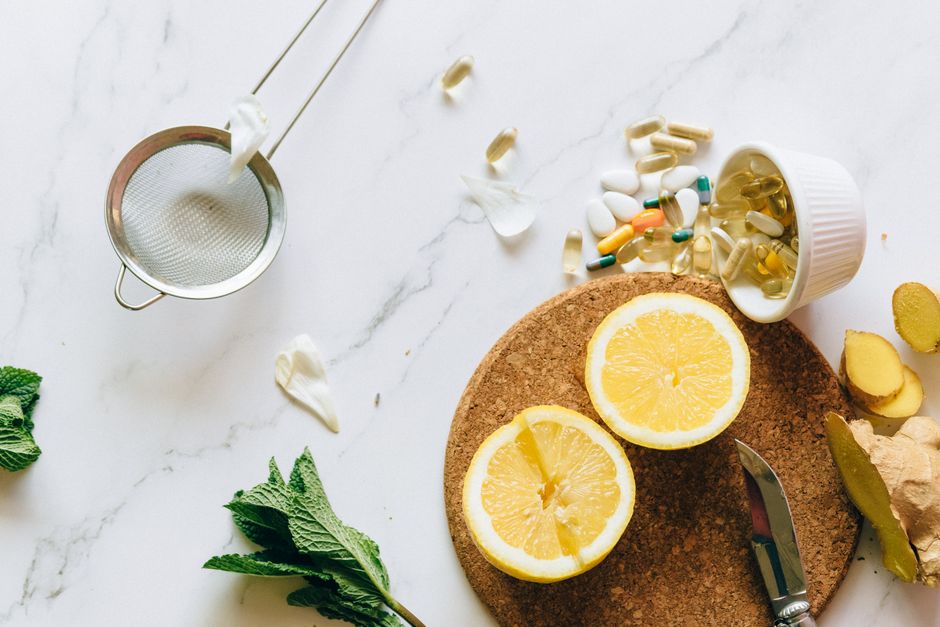
Your pancreas does not need to be flushed. No detox drink, juice cleanse, or special tea can clean out this organ. The idea of “flushing” the pancreas is a myth that has spread through wellness blogs and social media. What your pancreas actually needs is simple: a diet that does not force it to work overtime, and a lifestyle that keeps your blood sugar stable. The safest and most effective way to support your pancreas is to stop doing things that damage it — not to add a cleanse that has no scientific backing.
Why The “Flush” Idea Is Wrong
The pancreas is a solid organ located behind your stomach. It produces digestive enzymes and hormones like insulin. There are no “toxins” stored in the pancreas that need to be removed. Your liver and kidneys handle waste removal for your entire body. The pancreas does not accumulate sludge or buildup that a drink can wash away.
Some alternative medicine practitioners claim that a “pancreatic flush” can remove gallstones or “congestion” from the organ. No clinical evidence supports this. In fact, some popular liver and gallbladder flush protocols can cause serious harm, including severe abdominal pain and emergency surgery. If a product or protocol claims to detoxify your pancreas, treat that claim with deep skepticism.
What Actually Damages The Pancreas
To understand how to protect your pancreas, you need to know what harms it. The two most common threats are excessive alcohol consumption and gallstones. Heavy drinking can trigger acute pancreatitis, a painful inflammation of the organ. Gallstones can block the duct that drains digestive enzymes from the pancreas, causing them to activate inside the organ and digest it from within.
High triglycerides — a type of fat in your blood — are another major risk factor. When triglyceride levels climb above roughly 500 mg/dL, the risk of pancreatitis rises sharply. Type 2 diabetes and obesity also increase your risk of pancreatic problems over time. Smoking is an independent risk factor for pancreatic disease as well.
The good news is that most of these risk factors are modifiable. You can change your diet, stop smoking, limit alcohol, and manage your weight. These changes do more for your pancreas than any “cleanse” ever could.
How To Support Your Pancreas With Diet
There is no single food that heals the pancreas. Instead, the goal is to reduce the demand on the organ. When you eat, your pancreas releases enzymes to digest food and hormones to manage blood sugar. Large meals, especially meals high in fat, force the pancreas to work harder.
Eating smaller, more frequent meals can help. This approach is commonly recommended for people with pancreatic insufficiency because it spreads digestive demand across the day. For people with a healthy pancreas, this is not strictly necessary, but it is not harmful either.
A diet rich in whole foods — vegetables, fruits, lean proteins, and whole grains — supports pancreatic health. Studies consistently show that diets high in processed foods, refined sugars, and unhealthy fats are linked to worse metabolic health. The Mediterranean diet, in particular, has been associated with lower rates of metabolic syndrome and type 2 diabetes, both of which stress the pancreas.
Fiber is especially important. Soluble fiber slows digestion and helps stabilize blood sugar. This reduces the spikes in insulin that your pancreas must produce. Good sources include oats, beans, lentils, apples, and carrots.




Does Fasting Help The Pancreas?
Intermittent fasting has become popular as a way to “rest” the pancreas. The logic is straightforward: if you do not eat, your pancreas does not need to produce insulin. Some research suggests that intermittent fasting can improve insulin sensitivity and help with weight loss, both of which reduce strain on the pancreas.
The evidence is promising but not conclusive. Short-term studies show improvements in blood sugar control and insulin sensitivity in people who fast. However, most of these studies are small and short in duration. No long-term trials have confirmed that fasting prevents pancreatic disease.
If you are considering intermittent fasting, talk to your doctor first. This is especially important if you take medication for diabetes, because fasting can cause dangerous drops in blood sugar. Fasting is not a “flush” — it is simply a pattern of eating that may help some people manage their weight and metabolism.
Hydration And Pancreatic Health
Water is essential for every organ in your body, including the pancreas. Severe dehydration can thicken the pancreatic juices, which some researchers believe may contribute to the development of acute pancreatitis. Staying well-hydrated is a reasonable preventive measure.
However, drinking extra water does not “flush” the pancreas. Your body regulates its own fluid balance. Drinking excessive amounts of water can actually be dangerous, leading to a condition called hyponatremia, where sodium levels in the blood drop to dangerously low levels. Plain water, in normal amounts, is sufficient. There is no evidence that adding lemon, cayenne, or apple cider vinegar to water improves pancreatic function.
Supplements: What Works And What Does Not
The supplement industry has capitalized on the “pancreas cleanse” trend. Products claiming to detoxify the pancreas are widely available online. None of these products have been proven to work in clinical trials.
Some supplements do have evidence behind them for specific pancreatic conditions. For example, pancreatic enzyme replacement therapy is a prescription treatment for people with pancreatic insufficiency — a condition where the pancreas does not produce enough digestive enzymes. This is a medical treatment, not a supplement you should buy on your own.
Certain vitamins and minerals may support pancreatic health indirectly. Vitamin D deficiency has been linked to a higher risk of type 2 diabetes, though supplementation has not been shown to prevent the disease. Antioxidants like vitamin C and vitamin E have been studied for their potential to reduce inflammation in pancreatitis, but results are mixed and no official recommendation exists.
The honest position is this: no supplement has been proven to “cleanse” or “flush” the pancreas. If you have a diagnosed pancreatic condition, work with your doctor to determine whether any supplements are appropriate for your specific situation.
Lifestyle Changes That Protect The Pancreas
The most powerful thing you can do for your pancreas is to stop smoking. Smoking is a well-established risk factor for pancreatic cancer and chronic pancreatitis. Quitting smoking reduces your risk, regardless of how long you have smoked.
Limiting alcohol is equally important. For men, the general guidance is no more than two drinks per day. For women, no more than one. If you have already had pancreatitis, the recommendation is usually complete abstinence from alcohol, because even small amounts can trigger another attack.
Weight management matters too. Excess abdominal fat is linked to insulin resistance, which forces the pancreas to produce more insulin to keep blood sugar normal. Over time, this can exhaust the insulin-producing cells. Losing even 5 to 10 percent of your body weight can improve insulin sensitivity and reduce the burden on your pancreas.
When To See A Doctor
If you have symptoms of pancreatic problems, do not try to treat them at home. Symptoms of acute pancreatitis include severe upper abdominal pain that radiates to your back, nausea, vomiting, and fever. This is a medical emergency that requires immediate care.
Chronic pancreatitis symptoms include recurring abdominal pain, unintentional weight loss, and greasy, foul-smelling stools. These symptoms warrant a medical evaluation. Your doctor can order blood tests, imaging studies, or other diagnostic procedures to determine what is happening.
If you are worried about your pancreatic health because of family history or existing conditions like diabetes, talk to your doctor about screening. Routine screening for pancreatic cancer is not recommended for the general public, but people with a strong family history or known genetic mutations may qualify for surveillance programs.
Frequently Asked Questions
Can you actually flush your pancreas?
No. The pancreas is a solid organ and does not store toxins that can be flushed out. Your liver and kidneys handle waste removal naturally.
What is the best way to detox your pancreas?
The best approach is to stop damaging it — limit alcohol, quit smoking, and eat a balanced diet. No detox product has been proven to improve pancreatic health.
Is apple cider vinegar good for the pancreas?
No clinical evidence supports this claim. Apple cider vinegar may help with blood sugar control in some studies, but it does not cleanse or detoxify the pancreas.
What foods help repair the pancreas?
No food directly repairs the pancreas. A diet rich in vegetables, fruits, lean proteins, and whole grains supports overall metabolic health and reduces strain on the organ.
