
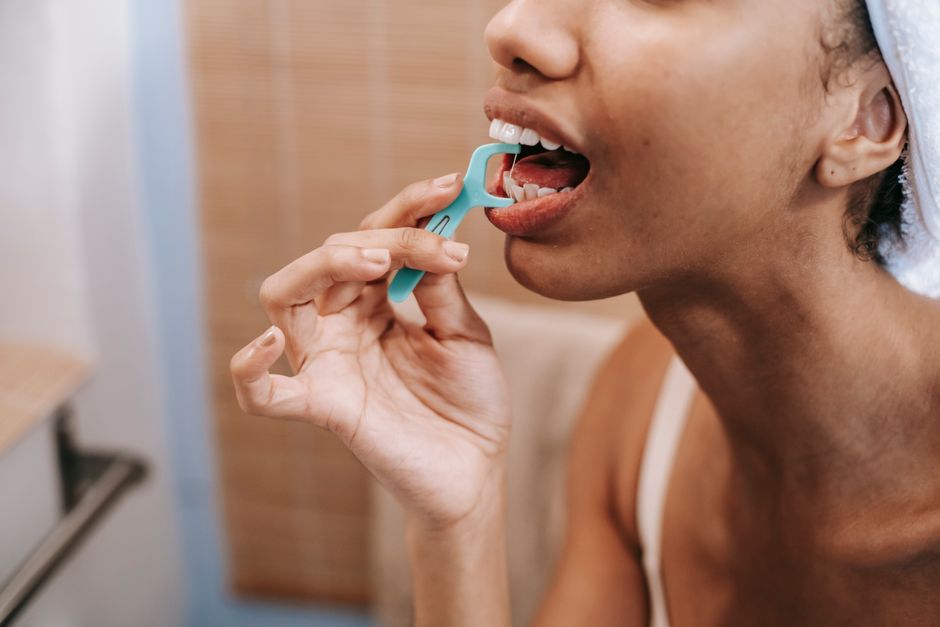
Flossing should not hurt. If it does, something is wrong with your technique, the type of floss you use, or your gums need attention. The fix is usually simple: use a gentler technique, choose a softer tool, and give your gums time to adapt. This guide walks through the exact steps to floss without pain, what causes the discomfort, and when pain signals a real problem.
Why Does Flossing Hurt in the First Place?
Flossing hurts for a few specific reasons. The most common is that you are pressing too hard. The floss snaps past the contact point between teeth and slams into the gum tissue. That is direct trauma. It will hurt and it can make your gums bleed.
Another cause is inflammation. If plaque has built up along the gumline, your gums become swollen and tender. Touching them with floss irritates already sensitive tissue. This is not a reason to stop flossing. It is a reason to floss more consistently, but gently, so the inflammation can resolve.
Some people also have tight contacts between teeth. Floss gets stuck and requires force to pull through. That force can cause the floss to cut into the gum. Finally, if you have dental work like crowns or fillings with rough edges, the floss can catch and fray, which can also irritate the gums.
How To Floss With Out Pain: The Right Technique
The single most important change is how you hold and move the floss. Most people use a sawing motion back and forth to force the floss between teeth. That is the main source of pain. Instead, use a gentle side-to-side motion to work the floss through the contact point slowly. Never snap it down.
Once the floss is between the teeth, curve it into a C-shape around one tooth. Slide it up and down along the side of the tooth, going just below the gumline. Do not force it deeper. The goal is to clean the side of the tooth, not to stab the gum.
Use a fresh section of floss for each tooth. Reusing the same section transfers plaque and bacteria from one tooth to the next. It also means the floss becomes frayed and less effective, which can make you press harder.
Take your time. Flossing your whole mouth should take two to three minutes. If you are done in thirty seconds, you are rushing and likely pressing too hard.
Choose the Right Floss for Sensitive Gums
Not all floss is the same. If you have sensitive gums, standard waxed floss may still be too thick or too rough. A few options work better for tender mouths.
- Waxed floss slides more easily between tight teeth than unwaxed floss. The coating reduces friction and makes it less likely to cut the gum.
- PTFE floss (often sold as “glide” floss) is made from a material similar to Gore-Tex. It is very smooth and slides through tight contacts with minimal effort. This is often the best choice for people who experience pain.
- Dental tape is wider and flatter than regular floss. It covers more surface area on the tooth but is gentler on the gums because it does not dig in.
- Floss picks can be easier to control, especially for reaching back teeth. However, they can encourage pressing too hard because you have less feedback on pressure. If you use them, be intentional about gentleness.
Some flosses are coated with flavors like mint, which can sting if you have open sores or very inflamed gums. An unflavored option can avoid that irritation.





Water Flossers: A Gentler Alternative?
Water flossers use a stream of pulsating water to remove food and plaque between teeth and along the gumline. They are generally gentler than string floss because there is no physical scraping. Many people with sensitive gums find them far more comfortable.
Research shows water flossers are effective at reducing plaque and gingivitis, though some studies suggest string floss may be slightly better at removing sticky plaque from tight contacts. The best choice is the one you will actually use every day. If string floss causes you pain and you stop doing it, a water flosser is a better option than not flossing at all.
If you try a water flosser, start on the lowest pressure setting. Work your way up gradually as your gums become less sensitive. Direct the stream at a 90-degree angle to the tooth, just at the gumline. Move along each tooth methodically.
What About Interdental Brushes?
Interdental brushes are small brushes that fit between teeth. They come in various sizes. A dentist or hygienist can help you pick the right size, but you can also test a few at home. The brush should fit snugly without forcing.
These brushes are very effective at cleaning the curved surface of the tooth root, which string floss often misses. Many dental professionals consider them superior to floss for people with wider gaps between teeth or receding gums. They are also gentler because you control the pressure with your fingers directly on the brush.
If your gums bleed when you first start using interdental brushes, that is normal if you have inflammation. The bleeding should reduce within a week or two of daily use as your gums heal. If it continues beyond that, see a dentist.
How Long Until Flossing Stops Hurting?
If you floss gently every day, pain and bleeding usually improve within one to two weeks. The gums heal quickly once plaque is removed consistently. The tissue becomes firmer and less tender over time.
If pain continues beyond two weeks with proper technique, that is a sign something else is going on. Do not push through persistent pain. See a dentist. They can check for gum disease, cavities between teeth, or a broken filling that may be causing the problem.
Some people assume bleeding gums are normal when flossing. They are not. Healthy gums do not bleed from gentle flossing. Bleeding is a sign of inflammation, usually from plaque buildup. The right response is consistent gentle cleaning, not avoiding the area.
Common Flossing Mistakes That Cause Pain
Most flossing pain comes down to a few repeatable mistakes. Correct these and the pain usually resolves.
- Snapping the floss between teeth instead of easing it through.
- Using a sawing motion against the gum tissue instead of sliding up and down the tooth surface.
- Pressing too hard on the gum when you reach the base of the tooth.
- Rushing through the process, which leads to all of the above.
- Stopping flossing when gums bleed, then restarting later. The cycle of inflammation and healing makes gums more sensitive each time.
Fix the technique first. If pain persists with correct technique, then consider switching tools. If that does not help, see a dental professional.
When To See a Dentist
Flossing pain that does not improve with gentler technique or a different tool warrants a dental visit. The same goes for pain that is sharp, localized to one tooth, or accompanied by swelling, redness, or pus.
Sharp pain in one spot can mean a cavity, a cracked tooth, or an exposed root. Dull pain across many teeth usually means gum inflammation or overly aggressive technique. The difference matters for treatment. A dentist can identify the cause quickly.
If your gums bleed heavily even with gentle flossing, or if the bleeding does not stop after a few minutes, that is also a reason to seek care. Heavy bleeding can indicate advanced gum disease, which requires professional treatment rather than home care alone.
Frequently Asked Questions
Is it normal for flossing to hurt the first time?
Some discomfort is common if your gums are inflamed from plaque buildup. With gentle daily flossing, tenderness usually fades within one to two weeks.
Should I stop flossing if my gums bleed?
No. Bleeding is a sign of inflammation, and stopping lets the inflammation continue. Floss gently every day and the bleeding should decrease as your gums heal.
What is the gentlest type of floss for sensitive gums?
PTFE or “glide” floss is the smoothest and slides through tight contacts with the least friction. Dental tape is another gentle option because it is flat and wide.
Can a water flosser replace string floss?
Yes, for many people. Water flossers remove plaque effectively and are gentler on sensitive gums. The most important thing is consistent daily cleaning, whichever tool you choose.
