
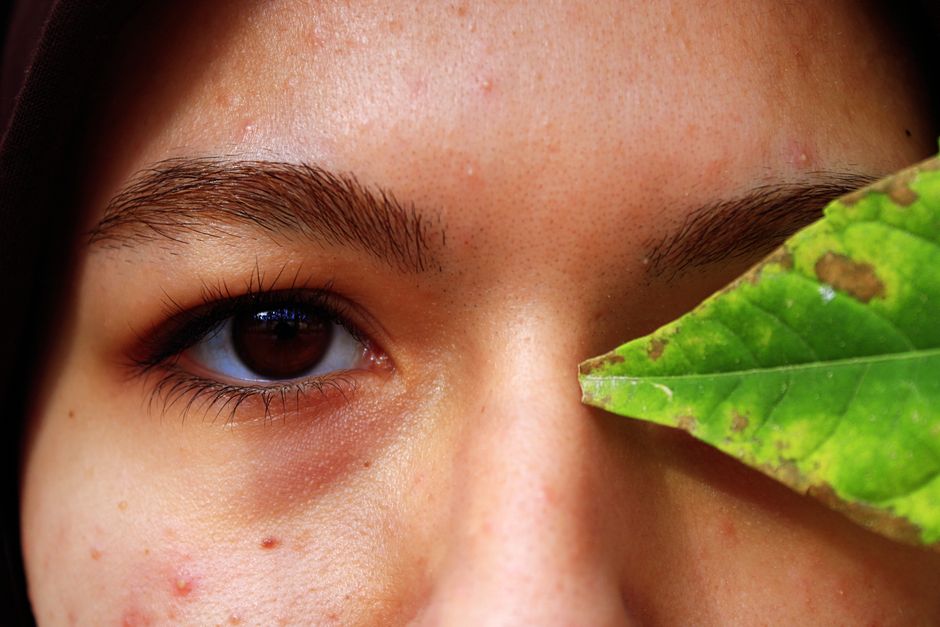
Uneven eyelids — where one eyelid sits lower or looks puffier than the other — are common and usually harmless. The right fix depends on the cause: temporary swelling from sleep, allergies, or fluid retention often settles on its own within hours to a few days, while structural asymmetry from anatomy, aging, or a nerve or muscle condition needs a medical evaluation. Some people choose cosmetic options, but no treatment is required unless the difference bothers you or a doctor finds an underlying problem.
What Actually Causes Uneven Eyelids?
Eyelid position is controlled by a small muscle called the levator palpebrae superioris, which lifts the upper lid, plus the skin, fat, and connective tissue around the eye. Anything that affects those structures — or the nerves that signal them — can make one lid sit differently than the other.
The causes fall into two broad groups. Temporary causes resolve. Structural causes do not go away on their own.
Temporary causes include:
- Sleep position that lets fluid pool on one side of the face
- Allergies or a mild infection causing one-sided swelling
- Salt, alcohol, or dehydration affecting fluid balance
- Crying, rubbing the eye, or a recent insect bite
- Contact lens irritation or a stye
Structural causes include:
- Natural facial asymmetry present since birth
- Age-related changes — skin laxity, fat loss, or fat bulging — that develop unevenly
- Dermatochalasis, where excess upper eyelid skin droops
- Ptosis, a true drooping of the lid itself
- Thyroid eye disease, which can affect the tissue around the eyes
- Nerve or muscle conditions, including myasthenia gravis and Horner syndrome
One clarification worth knowing: most people have some facial asymmetry. A study using facial imaging has found that small differences between the two sides of the face are the norm, not the exception. If your eyelids have always looked slightly different and nothing has changed, that is usually anatomy, not disease.
When Should Uneven Eyelids Be Checked by a Doctor?
New or sudden asymmetry needs medical attention. A drooping eyelid that appears quickly — over hours or days — is different from one you have had for years, and it should be evaluated promptly.
Seek care right away if the unevenness comes with any of these:
- Sudden drooping of one eyelid
- Double vision, or vision loss in one eye
- Weakness in the face, arm, or leg on one side
- Slurred speech or trouble swallowing
- Severe headache, or a headache with a dilated pupil
- Pain around the eye
- Drooping that varies through the day — worse in the evening, better after rest
The last point matters. Fluctuating eyelid droop, especially when it worsens with fatigue, is a pattern that can point to a neuromuscular cause such as myasthenia gravis. That pattern deserves a neurologist’s attention rather than a cosmetic fix.
If there is no red flag and the difference is stable, a routine visit with an eye doctor or primary care clinician is reasonable. They can examine the lid, check eye movement and pupil response, and decide whether further testing is needed.
How To Fix Uneven Eyelids From Temporary Swelling
If the cause is fluid or irritation, simple measures often reduce the difference within a day. These steps address swelling, not structure.
Cool compresses can help. A cool, damp cloth or chilled gel pack held over the closed eye for short intervals may reduce puffiness. Some people use chilled spoons or cucumber slices for the same purpose, though the effect is the cold, not the vegetable.
Sleeping with your head slightly elevated can limit fluid pooling overnight. If you tend to sleep on one side, that side may look puffier in the morning — this is a mechanical effect, not a sign of disease.
For allergy-related swelling, an oral antihistamine or antihistamine eye drop may help. Which one depends on your symptoms, so ask a pharmacist or clinician rather than guessing.
Reducing salt and alcohol before bed can lessen morning puffiness for some people. The evidence here is largely practical and observational rather than from large trials, but the mechanism — fluid retention — is well understood.
If a stye or infection is the cause, warm compresses and good eyelid hygiene are the usual first steps. A stye that does not improve, or that spreads redness and swelling around the eye, should be seen by a doctor.



What Cosmetic and Medical Treatments Exist?
For structural asymmetry that does not resolve, options range from non-surgical to surgical. None of these are medically necessary unless the lid is blocking your vision.
Non-surgical options include filler injections to add volume to a hollow area, and botulinum toxin injections, which some clinicians use to adjust lid position by relaxing specific muscles. These are performed by trained providers. Results are temporary, and injecting near the eye carries real risks, including bruising, asymmetry, and in rare cases effects on vision or eyelid function.
Surgical options include:
- Blepharoplasty — removal of excess skin or fat from the upper lid
- Ptosis repair — tightening the muscle or tendon that lifts the lid
- Brow lift — raising the brow, which can change how the lid sits
These are established procedures. They also carry normal surgical risks: bleeding, infection, scarring, dry eye, and the possibility that the two sides still do not match perfectly. A surgeon who operates on both lids often aims for improvement, not identical symmetry.
It is worth being direct about one thing. Cosmetic procedures for mild asymmetry are widely performed, but high-quality trials comparing them head-to-head are limited. Much of what is known comes from surgical case series and clinical experience rather than randomized studies. That does not make the procedures invalid, but it means the evidence base is different from, say, that for treating high blood pressure.
Can Exercises or Home Remedies Fix Uneven Eyelids?
No. Eyelid position is set by muscle tone, tendon attachments, skin, and fat — not by exercise in the way a bicep responds to lifting.
Facial exercises are promoted online for lifting the lids. There is no clinical evidence that they change eyelid height or correct structural asymmetry. Some small studies have looked at facial exercise for overall facial appearance, but results are limited and do not establish an effect on lid position.
The same caution applies to creams, serums, and devices marketed for “lifting” the eyelids. Moisturizers can improve skin texture. They do not reposition a drooping lid. Any product claiming to correct ptosis without surgery or medical treatment is making a claim that no clinical trial has confirmed.
If you want to try a home remedy for temporary puffiness, cool compresses and sleep position changes are reasonable and low-risk. Anything promising permanent structural change is not supported.
Does Uneven Eyelid Appearance Change With Age?
Yes, and often unevenly. As skin loses elasticity and the fat pads around the eye shift, the two sides can age at different rates. One lid may develop more laxity or a more visible fat bulge than the other.
This is a normal part of aging, not a disease. It also means that asymmetry which appears gradually over years is usually structural and benign, while asymmetry that appears suddenly is the pattern worth investigating.
What Is the Outlook for Uneven Eyelids?
For most people, uneven eyelids are a cosmetic concern rather than a medical one. Temporary causes resolve. Structural causes stay stable. Neither threatens eye health on its own.
The main thing to watch is change. A lid difference that is new, that worsens, or that comes with vision changes, weakness, or fluctuating droop should be evaluated. That evaluation is what separates a harmless asymmetry from something that needs treatment.
If the difference bothers you and the cause is structural, a consultation with an eye doctor or plastic surgeon can clarify whether any option is appropriate. There is no obligation to treat it.
Frequently Asked Questions
Can uneven eyelids fix themselves?
If the cause is temporary swelling from sleep, allergies, or fluid retention, the difference often settles within hours to a few days. Structural asymmetry does not resolve on its own.
Is uneven eyelid a sign of a serious condition?
Usually not, but sudden drooping of one eyelid with double vision, weakness, or slurred speech can signal a stroke or nerve problem and needs emergency care. Drooping that varies through the day may point to a neuromuscular condition.
Do eyelid exercises work for uneven eyelids?
No clinical evidence shows that facial exercises change eyelid height or correct structural asymmetry. Any product or routine claiming to lift a drooping lid permanently is not supported by trials.
What is the medical term for a drooping eyelid?
The medical term is ptosis. It can affect one or both eyelids and has many causes, ranging from age-related muscle changes to nerve or muscle disorders.
