
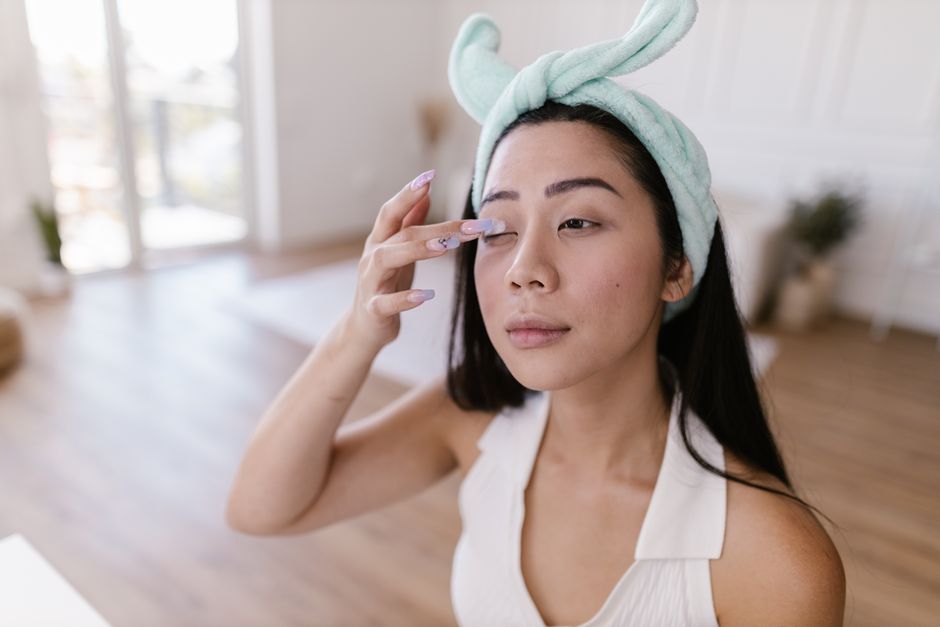
Blepharitis is a common eyelid condition that causes redness, irritation, and crusting along the eyelid margins. Cleaning your eyelids daily is the cornerstone of managing it, and a simple three-step routine can make a real difference. The routine is: apply a warm compress, gently massage the eyelids, and then scrub the lid margin with a diluted cleanser. Doing this once or twice daily helps remove the oil, bacteria, and debris that fuel the inflammation.
What Is Blepharitis and Why Does Cleaning Help?
Blepharitis is inflammation of the eyelid edges. It happens when the tiny oil glands at the base of your eyelashes—called meibomian glands—become blocked or produce abnormal oil. This leads to a buildup of debris, bacteria, and flaky skin along the lid margin.
Cleaning does not cure blepharitis, but it controls it. The condition is often chronic, meaning it can flare up and settle down over time. Regular lid hygiene removes the material that feeds the inflammation. When the debris is gone, the eyelids are less red, less itchy, and more comfortable.
There are two main types of blepharitis: anterior and posterior. Anterior blepharitis affects the front of the eyelid where the lashes attach. Posterior blepharitis involves the meibomian glands deeper in the lid. Many people have both types at once. Cleaning helps with both, though the technique may vary slightly.
Step 1: Apply a Warm Compress
Start with a clean washcloth or a commercial eye compress. Soak it in warm water that is comfortable to the touch on your wrist—not hot enough to burn. Wring it out and place it over your closed eyelids for five to ten minutes.
The warmth serves a specific purpose. It softens the crusted debris along the lid margin. It also warms the oil inside the meibomian glands, making it more liquid and easier to express. If the oil stays thick and waxy, it continues to clog the glands and irritate the eye surface.
Re-warm the compress if it cools down during the five to ten minutes. Some people find a microwaveable eye mask more convenient because it holds heat longer. Whatever you use, make sure it is clean before each use. A dirty compress can reintroduce bacteria to the area you are trying to clean.
If your eyes feel dry as well as irritated, the warm compress may also provide some temporary relief. The heat helps stabilize the tear film by improving oil flow, which reduces evaporation of tears.
Step 2: Gently Massage the Eyelids
Immediately after the compress, massage your closed eyelids. Use one or two fingers and press gently along the lid margin. Move in small circular motions or sweep from the inner corner of the eye toward the outer corner.
The purpose of the massage is to express the softened oil from the meibomian glands. When you press on the lid, you are putting gentle pressure on the glands beneath the skin. This helps push out the stagnant oil that has been sitting there.
Do not press hard. The eyelid skin is thin and delicate. Firm pressure can bruise the tissue or scratch the surface of the eye. The sensation should be mild and comfortable. If it hurts, you are pressing too hard.
Massage for about thirty seconds to one minute per eye. Some clinicians recommend a specific technique where you roll the fingertip from the base of the lashes upward. The exact method matters less than consistency. The key is that you are doing it daily.




Step 3: Scrub the Lid Margin With a Diluted Cleanser
This is the step that actually removes the debris. After the compress and massage have loosened everything, you need to wipe it away. Use a clean washcloth, a cotton pad, or a commercially prepared lid wipe.
If you use a washcloth, wet it with warm water and add a small amount of diluted baby shampoo or a specialized eyelid cleanser. The mixture should be very dilute—roughly a drop of shampoo in a cup of water. Close your eye and gently scrub back and forth along the lid margin where the lashes meet the skin.
Commercial lid scrubs and pre-moistened wipes are widely available. They are formulated specifically for the eye area and are often more convenient than mixing your own solution. Many contain ingredients like tea tree oil or hypochlorous acid, which have antibacterial properties. Some research suggests these ingredients help reduce the bacterial load on the lids, but the cleaning action itself is the most important part.
Scrub for about thirty seconds per eye. Rinse with warm water afterward if you used a shampoo-based cleanser. If you used a no-rinse commercial wipe, follow the instructions on the package.
Do not share your washcloth or wipes with anyone else. Blepharitis can involve bacteria that are transmissible, and sharing cleaning tools can spread the problem.
What Cleanser Should You Use?
Baby shampoo has been the traditional recommendation for decades. It is gentle and inexpensive. However, some eye care professionals now prefer specialized eyelid cleansers because they are formulated to match the natural pH of the eye surface and often contain ingredients that target bacteria or mites.
Hypochlorous acid sprays are a newer option. Hypochlorous acid is a mild antimicrobial that the body produces naturally. Commercial sprays containing it are applied to closed lids and left to dry. Some studies indicate they reduce eyelid bacteria and improve symptoms. They are convenient because no rinsing is required.
Tea tree oil cleansers are used when demodex mites are suspected. Demodex are microscopic mites that live in hair follicles and can contribute to blepharitis. Tea tree oil has been shown to kill these mites. But tea tree oil is irritating at full strength. Only use products specifically formulated for the eye area, and never apply pure tea tree oil to your eyelids.
Plain warm water alone can work in a pinch, but it is less effective at breaking down the oily debris. The cleanser helps emulsify the oil so it can be wiped away rather than smeared around.
How Often Should You Clean Your Eyelids?
Once or twice daily is the standard recommendation. Most people see improvement with once-daily cleaning, usually in the morning or evening. If your symptoms are severe, twice daily may be more effective.
Consistency matters more than frequency. Skipping days allows the debris to accumulate again. Think of it like brushing your teeth—a single thorough cleaning helps, but the benefit is lost if you do not repeat it.
It can take several weeks of daily cleaning before you notice significant improvement. The oil glands do not unblock overnight. They need regular expression to function properly again. Some people see results in a few days, but for many, the full benefit appears after two to four weeks of consistent routine.
What If Cleaning Is Not Enough?
Lid hygiene is the foundation of blepharitis treatment, but it is not always sufficient on its own. Some people need additional treatments, especially if the blepharitis is severe or has been present for a long time.
Artificial tears can help if your eyes feel dry. Antibiotic ointments or drops may be prescribed if a bacterial infection is present. In-office procedures like intense pulsed light therapy or thermal pulsation can help unblock stubborn meibomian glands. These are performed by eye care professionals and are not replacements for home cleaning.
If your symptoms do not improve after several weeks of consistent cleaning, see an eye doctor. They can examine your eyes with a slit lamp and determine whether you have a specific type of blepharitis that needs targeted treatment. They can also rule out other conditions that mimic blepharitis, such as allergies or skin conditions like rosacea.
See a doctor promptly if you have eye pain, sudden vision changes, or severe light sensitivity. These are not typical blepharitis symptoms and may indicate a more serious problem.
Common Mistakes to Avoid
The most common mistake is being too aggressive. Scrubbing hard does not clean better—it irritates the eyelid and can damage the delicate skin. Gentle, consistent pressure is all that is needed.
Another mistake is using water that is too hot. The eyelid skin burns easily. Test the temperature on your inner wrist before applying the compress to your eye.
Skipping the massage step is also common. Many people do the compress and the scrub but forget the massage. The massage is what actually empties the glands. Without it, the oil stays trapped even after the warmth softens it.
Finally, do not use makeup while your lids are actively inflamed. Mascara and eyeliner can introduce more debris and bacteria to the lid margin. If you must wear makeup, replace it frequently and remove it thoroughly before cleaning.
Frequently Asked Questions
Can I use baby shampoo to clean my eyelids?
Yes, diluted baby shampoo is a traditional and effective option. Mix a drop of shampoo in a cup of warm water and use it with a clean washcloth.
How long does it take for eyelid cleaning to work?
Most people see improvement within two to four weeks of daily cleaning. Some notice relief in a few days, but the oil glands need consistent care to stay unblocked.
Is it safe to clean my eyelids every day?
Yes, daily cleaning is safe and is the standard recommendation for blepharitis. Use gentle pressure and a mild cleanser to avoid irritating the skin.
Should I stop cleaning my eyelids when symptoms go away?
No. Blepharitis is often chronic, and stopping the routine usually leads to a return of symptoms. Many people continue daily cleaning to keep the condition under control.
