
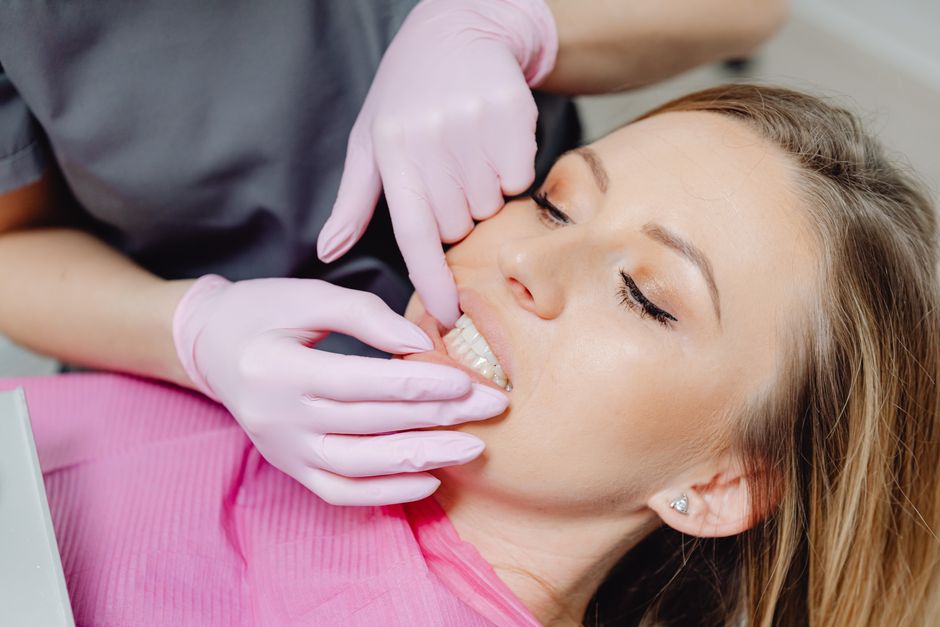
Swollen gums are a sign that your body is fighting irritation or infection in your mouth. You can often reduce the swelling at home with salt water rinses, cold compresses, and improved brushing and flossing habits. These methods help by removing the irritants and calming the inflammation, but they treat the symptoms, not the underlying cause. If the swelling persists for more than a week or is accompanied by pain or pus, you need to see a dentist.
What Causes Swollen Gums in the First Place?
Swollen gums are almost always caused by plaque. Plaque is a sticky film of bacteria that forms on your teeth constantly. When plaque is not removed by brushing and flossing, it irritates the gums. The body responds with inflammation, which brings extra blood flow to the area. That extra blood flow is what makes your gums look red, puffy, and feel tender.
This condition is called gingivitis. It is the earliest stage of gum disease. The good news is that gingivitis is reversible with good oral hygiene. The bad news is that if you ignore it, the inflammation can spread deeper. It can damage the bone that holds your teeth in place, leading to a more serious condition called periodontitis. Periodontitis is not reversible, only manageable.
Other causes exist beyond plaque buildup. Hormonal changes during pregnancy can make gums more sensitive and prone to swelling. Certain medications, like those for high blood pressure or seizures, can cause gum tissue to overgrow. A diet very low in vitamin C can also contribute to swollen, bleeding gums. Poorly fitting dentures or braces can rub against the gum tissue and cause localized swelling. And sometimes, a single swollen spot is caused by a food particle lodged between the tooth and gum, or a small abscess.
How To Fix Swollen Gums At Home Quickly
The fastest way to reduce swelling at home is to remove the cause of the irritation and calm the tissue. You cannot do that with a single rinse. You need a short, focused routine.
Start with a salt water rinse. Mix half a teaspoon of salt into a glass of warm water. Swish it around your mouth for 30 seconds and spit it out. Do this two to three times a day. Salt water works by drawing fluid out of the swollen tissue through osmosis. This reduces the puffiness. It also creates an environment that is less friendly to bacteria. Do not swallow the rinse, and do not use more salt than directed. Too much salt can irritate the tissue further.
Apply a cold compress to the outside of your cheek. Wrap a few ice cubes in a clean cloth or use a cold gel pack. Hold it against your face for 15 minutes at a time. The cold constricts blood vessels, which reduces blood flow to the area and numbs the pain. This is a temporary fix, but it works quickly for visible swelling.
Gently brush and floss the area. This sounds counterintuitive because the gums hurt. But the swelling is often caused by bacteria living in the space between the tooth and gum. If you stop cleaning that area because it hurts, the bacteria multiply and the swelling gets worse. Use a soft-bristled toothbrush. Brush at a 45-degree angle where the tooth meets the gum. Floss gently, curving the floss around each tooth. You may see some bleeding. That is normal for the first few days as the tissue heals.
Avoid anything that makes the irritation worse. Skip very hot, spicy, or crunchy foods for a few days. Avoid alcohol and tobacco. Both dry out the mouth and slow down healing. Stick to soft, cool foods like yogurt, applesauce, or smoothies.
Which Home Remedies Actually Work?
The internet is full of remedies for swollen gums. Some have a basis in science. Many are simply folklore. Here is the honest breakdown of what the evidence supports.
Salt water rinses are the most established home remedy. They are safe, cheap, and effective at reducing mild swelling. Dentists have recommended them for decades.
Cold compresses work for pain and swelling, but only on the outside of the face. Putting ice directly on the gums can damage the tissue.
Hydrogen peroxide rinses are sometimes recommended. A diluted solution (one part 3% hydrogen peroxide mixed with two parts water) can help reduce bacteria. However, you must be careful. Undiluted hydrogen peroxide can burn the gums and damage tissue. If you use it, do not swallow it, and do not use it for more than a few days. If you are unsure about the dilution, stick to salt water.
Turmeric paste is popular in natural health circles. Turmeric contains curcumin, which has anti-inflammatory properties. Some small studies suggest it may help with gingivitis. But the evidence is limited, and the yellow paste stains teeth and clothing. It is not a substitute for brushing and flossing.
Tea bags are a common recommendation. The tannic acid in black tea is thought to have astringent properties that shrink swollen tissue. You can steep a tea bag, let it cool, and hold it against the swollen area for five minutes. The evidence here is weak. It may provide temporary relief, but it does not treat the bacterial cause.
Essential oils like tea tree oil or clove oil are sometimes promoted. Clove oil has a numbing effect and some antibacterial properties. But essential oils are potent. They can cause chemical burns on the gums if used undiluted. Never apply them directly to the tissue. If you want to try clove oil, dilute one drop in a carrier oil like olive oil and apply it with a cotton swab. Stop if it stings.
The honest position is this: no home remedy cures gum disease. They can reduce swelling temporarily. They can make you more comfortable. But if plaque and bacteria are the cause, only mechanical removal through brushing, flossing, and professional cleaning will fix the problem.





When Swollen Gums Need a Dentist
Home care has its limits. You need to know when to stop treating this at home and get professional help.
See a dentist if the swelling lasts more than a week despite good home care. See one sooner if you have severe pain, visible pus, a fever, or a swollen face. These are signs of an infection that will not resolve on its own.
A dental abscess is a pocket of pus caused by a bacterial infection. It can form at the root of a tooth or in the gum tissue. Abscesses do not go away with rinses. They require drainage and often antibiotics. If an abscess is left untreated, the infection can spread to other parts of the face and, in rare cases, into the bloodstream. That is a medical emergency.
Another reason to see a dentist is for a professional cleaning. Even with excellent home care, most people have areas they miss. A dental hygienist uses specialized tools to remove tartar, which is hardened plaque that you cannot remove with a toothbrush. Tartar is rough, and bacteria love to attach to it. Once tartar forms, professional scaling is the only way to remove it.
If you have periodontitis, you may need more than a cleaning. You might need scaling and root planing, which is a deeper cleaning of the roots below the gum line. In advanced cases, surgical treatment may be necessary. A dentist can assess the depth of the pockets around your teeth to determine the severity of the disease.
How To Prevent Swollen Gums From Coming Back
Prevention is far easier than treatment. The goal is to keep plaque from accumulating in the first place. This requires a consistent daily routine.
Brush your teeth twice a day for two minutes each time. Use a fluoride toothpaste and a soft-bristled brush. Replace your toothbrush every three to four months, or sooner if the bristles are frayed. An electric toothbrush can be more effective than a manual one, but only if you use it correctly. Let the brush do the work. Do not scrub hard.
Floss once a day. This is the step most people skip, and it is the most important one for gum health. Flossing removes plaque from the spaces between teeth where a toothbrush cannot reach. If traditional floss is difficult to use, try floss picks or a water flosser. Water flossers are not as effective as string floss at removing sticky plaque, but they are better than not cleaning between teeth at all.
Maintain regular dental visits. Most people need a cleaning and exam every six months. Your dentist can identify early signs of gum disease before you notice any symptoms. Early intervention is always simpler and less expensive.
Eat a balanced diet. Limit sugary snacks and drinks, which feed the bacteria in your mouth. Foods rich in vitamin C, like oranges, strawberries, and bell peppers, support healthy gum tissue. Crunchy vegetables like carrots and celery can help clean teeth naturally, though they are not a substitute for brushing.
What Makes Swelling Worse
Certain habits can sabotage your efforts to reduce gum swelling. Be aware of these so you do not undo your progress.
Smoking and vaping are major risk factors for gum disease. Tobacco use reduces blood flow to the gums, which masks the early signs of inflammation. Smokers often have less bleeding, but they also have more severe disease. The reduced blood flow also impairs healing. If you smoke, your gums will take longer to recover from any treatment.
Stress is another factor. High stress levels increase cortisol, a hormone that can suppress the immune system. A weaker immune response means your body is less able to fight the bacteria in plaque. Some research also links stress to increased plaque buildup, possibly because stressed people are more likely to neglect their oral hygiene.
Grinding your teeth, called bruxism, can cause gum recession and localized swelling. If you wake up with sore gums or a tight jaw, you may be grinding at night. A dentist can fit you with a night guard to protect your teeth and gums.
Poor nutrition matters too. A diet high in processed foods and low in fresh produce deprives your gums of the nutrients they need to repair themselves. Vitamin C deficiency specifically causes gums to bleed and swell. Severe deficiency leads to scurvy, which includes spongy, bleeding gums as a hallmark symptom.
Frequently Asked Questions
How long does it take for swollen gums to heal?
With consistent home care, mild swelling usually improves within a few days to one week. If there is no improvement after seven days of good brushing and flossing, you should see a dentist.
Can I pop a swollen gum with a needle?
No. Popping a swollen gum at home can push bacteria deeper into the tissue and cause a serious infection. If you see a visible bump that looks like a pimple on your gum, it may be an abscess that needs professional drainage.
Does mouthwash help swollen gums?
Antibacterial mouthwash can reduce bacteria and help with mild swelling, but it does not remove plaque. An alcohol-free rinse is gentler on irritated tissue. Mouthwash should be used in addition to brushing and flossing, not instead of them.
Is it normal for gums to bleed when I start flossing again?
Yes, bleeding is common when you start flossing regularly after a break. The gums are inflamed and fragile. The bleeding should decrease within a week as the tissue becomes healthier. If it continues beyond that, see your dentist.
