
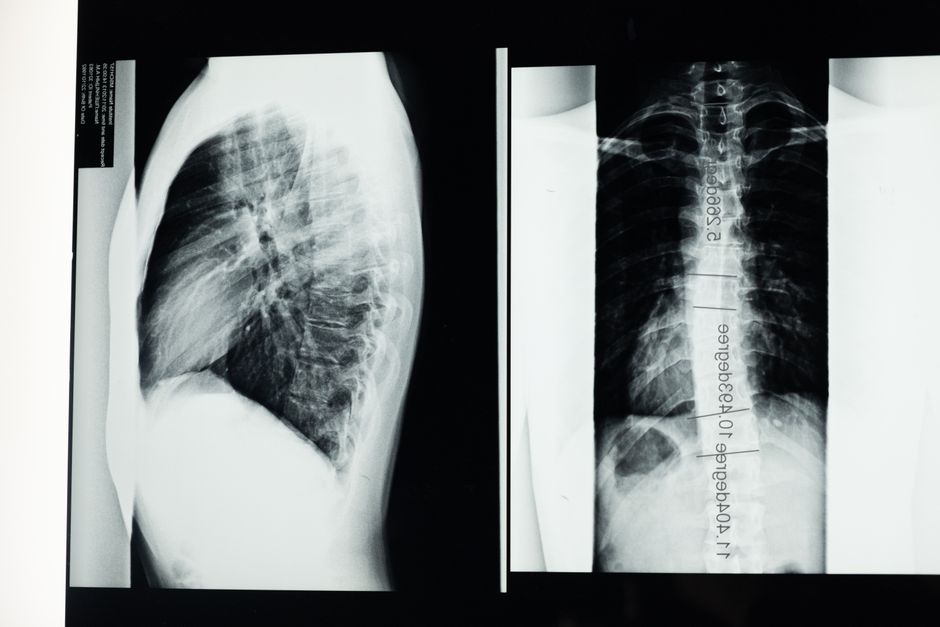
Scoliosis is a curve in the spine that is not straight. For most adults with scoliosis, the condition does not get worse or cause serious problems. The goal of treatment is not to make the spine perfectly straight. The goal is to manage pain, improve posture, and keep you moving well. There is no quick fix or simple cure. But there are proven ways to live well with scoliosis.
What Actually Causes Scoliosis in Adults?
Most adult scoliosis is not a new problem. It started during childhood. This is called adolescent idiopathic scoliosis. “Idiopathic” means doctors do not know the exact cause. It runs in families, so genetics play a role.
There is another type that starts in adulthood. It is called degenerative scoliosis. This happens when the discs and joints in the spine wear down unevenly with age. The spine tilts to one side. This is more common in people over 50. The Arthritis Foundation notes that this type is linked to osteoarthritis in the spine.
Doctors measure scoliosis by the angle of the curve, called the Cobb angle. Curves under 20 degrees are mild. Curves between 20 and 40 degrees are moderate. Curves over 40 degrees are severe. Most adults with scoliosis have mild to moderate curves that do not change much over time.
Does Scoliosis Always Need Treatment?
No. Many people with scoliosis never need treatment. A study in the journal Spine found that only about 20 percent of adults with scoliosis have curves that get worse over time. The other 80 percent stay stable.
Treatment is only recommended when you have symptoms. The most common symptom is back pain. Some people also have uneven shoulders, a tilted waist, or one hip higher than the other. In rare cases, a severe curve can press on the lungs or heart. That is more common with curves over 70 degrees.
If you have no pain and your curve is not getting worse, you do not need treatment. Regular checkups with your doctor are enough. The American Association of Neurological Surgeons says observation is a valid option for many adults.
How To Fix Scoliosis With Exercise and Physical Therapy
Exercise is the first treatment doctors recommend for scoliosis-related pain. It does not straighten the curve. Research published in the European Spine Journal shows that exercise can reduce pain and improve function. One study found that people who did a specific exercise program had 30 percent less pain after six months.
The most studied approach is the Schroth method. This is a type of physical therapy designed for scoliosis. It uses breathing techniques and specific postures to counteract the curve. A 2021 review in the journal Healthcare found that Schroth exercises improved pain, posture, and quality of life in adults with scoliosis.
General strength training also helps. Strong back and core muscles support the spine better. Focus on exercises that strengthen the muscles on the weak side of the curve. A physical therapist can show you which exercises match your specific curve pattern.
What about yoga and Pilates? Some people report less pain with these practices. Strong evidence is limited. A small study in the journal Global Advances in Health and Medicine found that a modified yoga pose reduced curve angles in some people. But the results were modest and not consistent. Yoga may help with pain and flexibility, but do not expect it to change the curve itself.





What About Bracing for Adults?
Bracing is common for children with scoliosis. It helps prevent curves from getting worse during growth. For adults, the story is different. The spine has stopped growing. A brace cannot change the curve.
Some doctors prescribe soft braces for pain relief. These are not the hard plastic braces used in children. A soft brace supports the back and may reduce muscle strain. A 2018 study in the journal Prosthetics and Orthotics International found that soft bracing reduced pain in some adults with scoliosis. But the effect was small and not the same for everyone.
There is no evidence that bracing can “fix” scoliosis in adults. Do not expect a brace to straighten your spine. If you try bracing, use it for short periods during activities that cause pain. Wearing it all day can weaken your core muscles over time.
When Is Surgery Considered for Scoliosis?
Surgery is rare for adult scoliosis. Most people never need it. Surgeons consider surgery only when the curve is over 50 degrees and getting worse, or when pain does not improve with other treatments.
The standard surgery is spinal fusion. The surgeon connects two or more vertebrae together using metal rods and screws. This stops the curve from getting worse. It also straightens the spine somewhat, but not completely.
Spinal fusion is a major surgery. Recovery takes months. The Scoliosis Research Society reports that about 70 percent of adults who have fusion are satisfied with the results. But complications are common. Infection, nerve damage, and blood clots happen in about 10 to 20 percent of cases.
Newer techniques like vertebral body tethering are being studied for adults. This surgery uses a flexible cord to pull the spine straight. It is less invasive than fusion. But it is still experimental for adults. As of 2026, there is no long-term data on how well it works in people over 30.
Common Misconceptions About Fixing Scoliosis
Many products claim to fix scoliosis. Chiropractic adjustments, inversion tables, special shoes, and electrical stimulation devices are marketed directly to people with scoliosis. None of these have strong evidence behind them.
A 2019 review in the journal Chiropractic & Manual Therapies found that spinal manipulation did not change curve angles in adults. It may help with back pain, but no more than other treatments. Inversion tables stretch the spine temporarily. The effect lasts minutes. There is no evidence that they change the curve permanently.
Supplements are another area of hype. Vitamin D and calcium are important for bone health. But no supplement has been shown to correct scoliosis. Be skeptical of any product that promises to straighten your spine without surgery.
| Treatment | What It Does | Evidence Level |
|---|---|---|
| Physical therapy (Schroth method) | Reduces pain, improves posture | Strong |
| General exercise | Strengthens back and core muscles | Moderate |
| Soft bracing | Temporary pain relief for some people | Weak to moderate |
| Spinal fusion surgery | Stops curve progression, straightens partially | Strong for severe cases |
| Chiropractic manipulation | May help pain, does not change curve | Weak |
| Supplements | No effect on curve | None |
- Exercise is the first-line treatment for scoliosis-related pain.
- Bracing does not fix scoliosis in adults but may help with pain.
- Surgery is only for severe curves or unmanageable pain.
- Most products marketed to “fix” scoliosis lack evidence.
- Regular monitoring is enough for stable, painless curves.
Frequently Asked Questions
Can scoliosis be reversed without surgery?
No. The curve cannot be reversed without surgery. Exercise and physical therapy can reduce pain and improve function, but they cannot make the spine straight.
What is the best exercise for scoliosis?
The Schroth method is the most studied exercise program for scoliosis. A physical therapist can design a program specific to your curve type.
Does scoliosis get worse with age?
For most adults, the curve stays stable. Only about 20 percent of adults have curves that get worse over time.
When should I see a doctor for scoliosis?
See a doctor if you have back pain that does not improve, or if you notice your posture changing. A primary care doctor can refer you to a spine specialist.
