
Low estrogen affects millions of women, especially during perimenopause and menopause. The honest answer is that no supplement or lifestyle change can fully replace what your ovaries once produced. What actually works depends on your symptoms, your health history, and how far along you are in the transition. Medical treatment with hormone therapy is the most effective option for most women. For those who cannot or choose not to use hormones, specific lifestyle changes can help manage symptoms, but they do not raise estrogen levels in a clinically meaningful way.
What Causes Low Estrogen Levels?
Estrogen levels naturally decline as you age. The most common cause is menopause, which typically begins between ages 45 and 55. Perimenopause — the years leading up to menopause — brings fluctuating and eventually dropping estrogen levels.
Other causes include surgical removal of the ovaries, chemotherapy or radiation to the pelvic area, and certain medical conditions that affect the pituitary gland or hypothalamus. Women who exercise intensely or have very low body fat may also experience low estrogen. In younger women, low estrogen can occur without a clear cause, a condition called primary ovarian insufficiency.
Knowing the cause matters because it shapes the treatment plan. A 40-year-old with surgical menopause faces different risks and needs than a 52-year-old going through natural menopause.
Symptoms of Low Estrogen: What to Look For
Low estrogen affects more than just periods. Common symptoms include hot flashes, night sweats, vaginal dryness, and sleep problems. Many women also notice mood changes, brain fog, and reduced sexual desire.
Some symptoms appear gradually. Vaginal dryness and urinary changes often develop slowly over years. Others, like hot flashes, can start suddenly and disrupt daily life. The severity varies widely between women. Some barely notice the transition. Others find symptoms interfere with work, sleep, and relationships.
If your periods have stopped or become irregular and you are experiencing these symptoms, talk to a healthcare provider. A blood test can measure your estradiol level, which is the main form of estrogen in the body. However, because estrogen levels fluctuate during perimenopause, a single test may not give a complete picture.
Hormone Therapy: The Most Effective Treatment
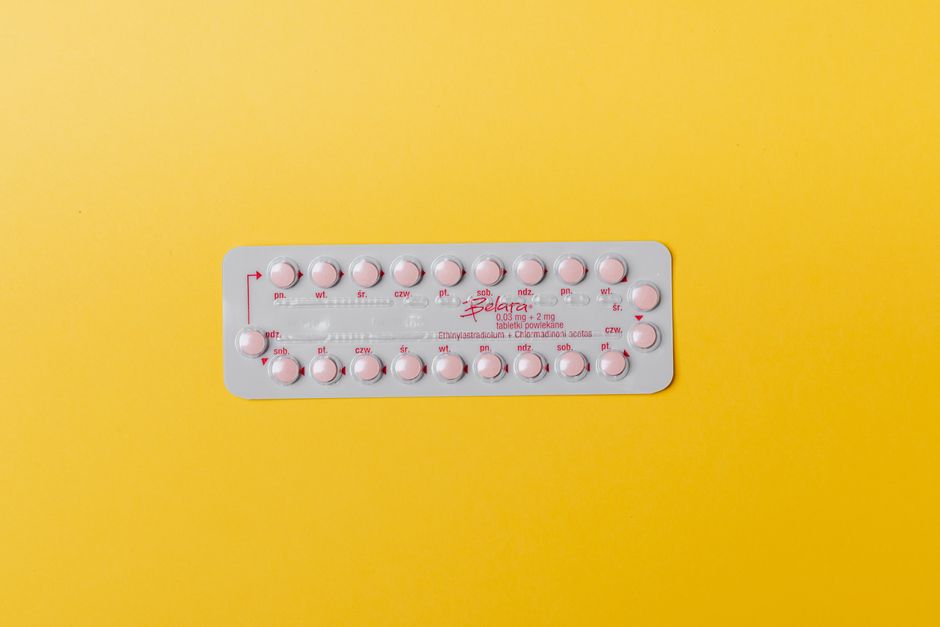
Hormone therapy — sometimes called menopausal hormone therapy or HRT — is the most effective treatment for low estrogen symptoms. It replaces the estrogen your body no longer makes. For most women, symptom relief begins within weeks.
Estrogen can be delivered in several ways. Pills are common and convenient. Patches and gels deliver estrogen through the skin, which avoids the liver processing that pills require. Vaginal estrogen creams, tablets, or rings treat vaginal dryness and urinary symptoms directly with very low doses that minimally affect the rest of the body.
For women who still have a uterus, estrogen must be combined with progesterone or progestin. Estrogen alone increases the risk of uterine cancer. Adding progesterone protects the uterine lining. Women who have had a hysterectomy can take estrogen alone.
Hormone therapy is not appropriate for everyone. A history of breast cancer, uterine cancer, blood clots, or liver disease may rule it out. Current guidelines generally recommend using the lowest effective dose for the shortest time needed, though some women stay on it longer after discussing risks with their doctor.
The decision about hormone therapy is personal. It involves weighing symptom relief against potential risks. This conversation belongs between you and your healthcare provider, not a supplement label.





What About Over-the-Counter Supplements?
The supplement aisle is full of products claiming to fix low estrogen. The evidence does not support most of these claims.
Phytoestrogens — plant compounds that weakly mimic estrogen — are the most studied. Soy isoflavones and red clover are common examples. Some research suggests they may modestly reduce hot flashes. The effect is small and inconsistent. They do not raise blood estrogen levels to any meaningful degree.
Black cohosh is another popular supplement for menopause symptoms. Some studies show mild benefit for hot flashes. Others show none. The evidence is mixed, and the mechanism is not well understood. Importantly, black cohosh has been linked to rare but serious liver damage.
DHEA is a hormone precursor sold over the counter. The body converts it to estrogen and testosterone. Some women report symptom improvement. However, DHEA levels in the body are difficult to predict, and long-term safety data is limited. It can also affect cholesterol and other hormone levels in unpredictable ways.
No supplement has been proven to safely and reliably restore estrogen levels to a premenopausal range. If a product promises to do this, that claim is not supported by science.
Lifestyle Changes That Help Manage Symptoms
Lifestyle changes do not raise estrogen levels significantly. What they can do is reduce the impact of symptoms on your daily life.
Regular exercise helps with sleep, mood, and weight management. Weight-bearing exercise also protects bone density, which declines when estrogen drops. The goal is moderate activity most days of the week — brisk walking, swimming, cycling, or strength training.
Dietary choices matter too. A diet rich in calcium and vitamin D supports bone health. Foods high in protein help maintain muscle mass. Staying hydrated and limiting alcohol and caffeine may reduce the frequency of hot flashes for some women.
Cooling strategies work for hot flashes. Dressing in layers, keeping a fan nearby, and using cooling pillowcases can help. Some women find that identifying their personal triggers — hot drinks, spicy food, stress — helps them avoid flashes before they start.
Vaginal dryness responds well to over-the-counter water-based lubricants and moisturizers. These do not contain hormones but can make intercourse comfortable and reduce irritation. They are safe to use daily and do not require a prescription.
Cognitive behavioral therapy has shown real benefit for sleep disturbance and mood symptoms during menopause. Some research indicates it helps with hot flashes too, though the effect on the flashes themselves is modest.
How To Fix Low Estrogen Levels What Actually Works: A Summary
If you are struggling with low estrogen symptoms, the most effective approach is medical. Hormone therapy works. It is well-studied, widely used, and safe for most women when prescribed appropriately.
If hormones are not an option for you, focus on managing symptoms rather than trying to raise estrogen levels. Exercise, diet, cooling strategies, and vaginal moisturizers all have evidence behind them. They will not restore your estrogen, but they can improve your quality of life.
Supplements are the weakest link in the chain. The evidence for most is thin. Some carry real risks. Spend your money on proven strategies instead.
Whatever path you choose, work with a healthcare provider who listens to your concerns and knows your medical history. Low estrogen is a medical transition, not a character flaw. You deserve care based on evidence, not marketing.
Bone Health: The Hidden Consequence of Low Estrogen
Low estrogen does more than cause hot flashes. It accelerates bone loss. Estrogen helps regulate the cells that break down bone. When estrogen drops, bone resorption outpaces bone formation.
In the first few years after menopause, bone loss can be rapid. This increases the risk of osteoporosis and fractures later in life. Hip fractures, in particular, carry serious consequences for older adults.
If you are in perimenopause or menopause, talk to your provider about bone density testing. The DEXA scan is the standard test. It measures bone density at the hip and spine.
Calcium and vitamin D are important, but they are not enough on their own. Weight-bearing exercise — walking, jogging, dancing, stair climbing — signals the body to maintain bone. Strength training with weights or resistance bands also helps.
For women at high risk of fracture, medications called bisphosphonates can slow bone loss. These are prescription drugs, not supplements. They are typically reserved for women with confirmed osteoporosis or high fracture risk.
Hormone therapy also protects bone. This is one reason some women choose to stay on it longer than the standard few years. The decision involves balancing bone protection against other risks, and it should be made with your provider.
Frequently Asked Questions
Can supplements actually raise my estrogen levels?
No supplement has been proven to raise estrogen levels into a premenopausal range. Phytoestrogen supplements like soy and red clover may modestly reduce hot flashes, but the effect is small and inconsistent.
How long does hormone therapy take to work?
Most women notice improvement in hot flashes and night sweats within two to four weeks of starting hormone therapy. Vaginal estrogen products may take a few weeks longer to fully relieve dryness and discomfort.
Is low estrogen dangerous without treatment?
Untreated low estrogen increases the risk of bone loss and osteoporosis over time. It also affects quality of life through hot flashes, sleep disruption, and vaginal symptoms. The risks are manageable and worth discussing with your provider.
Can diet alone fix low estrogen?
No diet can restore estrogen to premenopausal levels. A healthy diet supports bone health, weight management, and overall well-being, but it does not replace the estrogen your ovaries once produced.
