
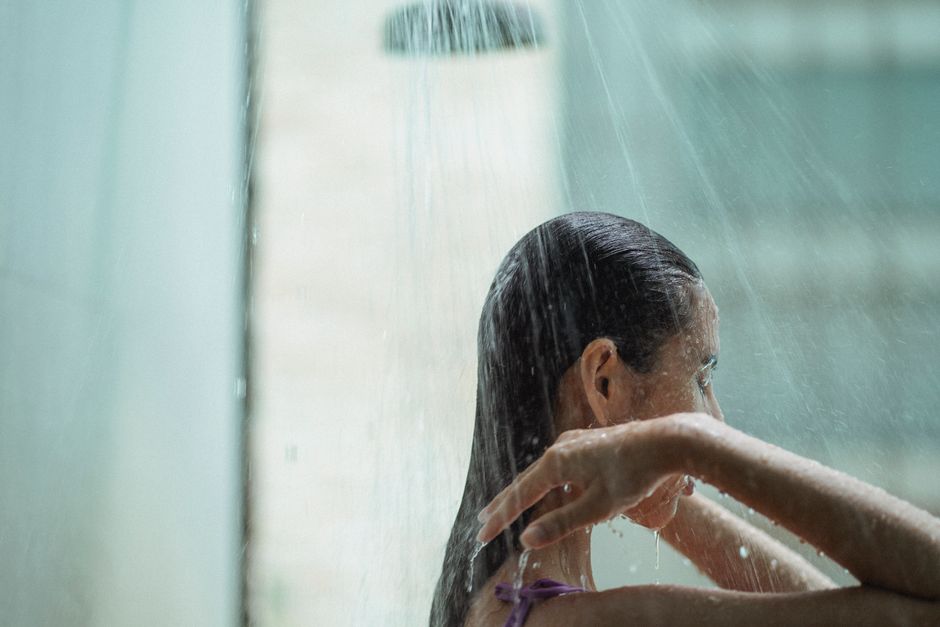
If you itch after a shower, the most common reason is that hot water and soap have stripped away the natural oils that protect your skin. Water alone does not moisturize — it evaporates and takes your skin’s moisture with it. The result is dry, tight, itchy skin within minutes of toweling off.
That is the simple version. The full picture involves your skin barrier, your nerves, your water temperature, and sometimes an underlying condition you may not know you have. Here is what is actually happening and what you can do about it.
Why Am I So Itchy After A Shower Causes Fixes? The Reason
Your skin has an outer layer called the stratum corneum. It works like a brick wall. Skin cells are the bricks, and lipids — ceramides, cholesterol, and fatty acids — are the mortar holding them together. This layer keeps water in and irritants out.
Hot water dissolves those lipids. The hotter and longer your shower, the more mortar you lose. Soap does the same thing. It is designed to bind to oils and rinse them away, and it cannot tell the difference between oil on your hands and the protective lipids on your arms and legs.
Once the barrier is compromised, two things happen. First, water escapes from your skin faster than normal, a process called transepidermal water loss. Second, irritants that would normally be blocked — fragrances, dyes, chlorine, hard water minerals — can now reach nerve endings in the skin. Those nerve endings fire, and you feel itch.
There is a detail most people miss. The itch is often worse after you dry off, not during the shower. That is because evaporation continues on damp skin, cooling it and pulling more moisture out. The barrier is at its weakest right at that moment.
Is It the Water Temperature or the Soap?
Both, but temperature usually matters more than people expect. A hot shower strips lipids faster than a warm one. The effect is not subtle. If you have ever noticed that your skin itches more in winter, when showers tend to run hotter and indoor air is drier, you have already felt this in action.
Soap is the second factor. Many bar soaps and body washes have a high pH. Healthy skin is mildly acidic, typically around pH 4.5 to 5.5. High-pH cleansers disrupt the skin’s acid mantle, which is part of what keeps the barrier intact and limits the growth of harmful bacteria.
Antibacterial soaps and heavily fragranced body washes tend to be the harshest. Soaps labeled “deodorant” or “antibacterial” are more likely to cause irritation than a plain, fragrance-free cleanser.
Hard water is a third factor that gets less attention. Water with high mineral content — calcium and magnesium — can leave residue on the skin and may interfere with how well cleansers rinse off. Some research suggests hard water can worsen irritation in people with eczema, though results vary and the evidence is not uniform.
What Skin Conditions Make Post-Shower Itching Worse?
If your itching is severe, lasts more than an hour, or comes with a rash, an underlying condition may be involved.
- Eczema (atopic dermatitis) — a condition where the skin barrier is already defective. People with eczema often have lower levels of ceramides in their skin. Water and soap hit them harder.
- Aquagenic pruritus — a rare condition where contact with water of any temperature triggers intense itching, usually without a visible rash. It typically lasts 10 to 60 minutes after water contact. It is more common in middle-aged and older adults and is sometimes associated with blood disorders, so it is worth mentioning to a doctor.
- Cholinergic urticaria — hives triggered by a rise in body temperature. A hot shower can bring this on. It usually appears as small red welts, often on the chest, back, and arms.
- Dry skin (xerosis) — the most common cause by far. It is not a disease, but it makes everything else worse.
If you have tried adjusting your shower routine and the itching continues, or if it comes with hives, redness, or swelling, see a doctor. Aquagenic pruritus in particular is something clinicians take seriously because it can be a sign of another condition.





How Do You Stop the Itch After a Shower?
The fix is mostly about protecting your skin barrier. Small changes add up.
Lower the temperature. Warm water is enough. You do not need it hot. This single change helps more than most people expect.
Shorten the shower. A 5 to 10 minute shower is generally enough for cleaning. Longer showers mean more lipid loss.
Use a gentle, fragrance-free cleanser. Look for products labeled for sensitive skin. Avoid antibacterial soaps unless a doctor has told you to use one. You do not need to soap your entire body every time — the armpits, groin, and feet are the areas that actually need it.
Pat dry, do not rub. Rubbing with a towel creates friction that irritates skin further. Patting leaves a little moisture behind, which is what you want.
Moisturize within 3 minutes. This is the step most people skip or delay. Applying moisturizer to slightly damp skin traps that water in. Once your skin is fully dry, you have missed the window. Thick creams and ointments work better than thin lotions for barrier repair. Look for ingredients like ceramides, glycerin, hyaluronic acid, or petrolatum.
Skip fragranced lotions. Fragrance is one of the most common causes of contact irritation. If your skin is already reactive, fragrance-free is the safer choice.
Does Lotion Actually Help, or Just Feel Good?
Moisturizer does more than feel nice. It measurably reduces water loss through the skin and helps restore barrier function. That is well established.
What is less established is which specific moisturizer works best. Studies comparing different products have shown mixed results, and individual responses vary. What works for one person may not work for another.
The general clinical direction is consistent: thicker products with occlusive ingredients — ones that physically block water loss — tend to outperform thin, watery lotions for dry, itchy skin. Petrolatum is one of the most effective occlusives available. It is not elegant, but it works.
One clarification worth making: drinking more water does not fix dry skin. Hydration comes from the inside for your organs, but your skin’s moisture is maintained by the barrier, not by how much water you drink. If your barrier is damaged, drinking eight glasses a day will not repair it.
When Should You See a Doctor About Post-Shower Itching?
Most post-shower itching is annoying but harmless. It usually improves within a week or two of changing your routine.
See a doctor if:
- The itching lasts more than an hour after every shower
- You develop hives, swelling, or a spreading rash
- Your skin cracks, bleeds, or shows signs of infection
- You have tried barrier-friendly changes for two weeks with no improvement
- The itching is severe enough to affect your sleep or daily life
Aquagenic pruritus is uncommon but worth knowing about. If water itself — not heat, not soap — reliably triggers intense itching within minutes, that pattern is specific enough to mention to a clinician. It is sometimes linked to underlying blood conditions, and a doctor can decide whether testing is warranted.
Frequently Asked Questions
Why do I itch after every shower even when I use warm water?
Warm water still removes some of the lipids that protect your skin barrier, especially if your showers are long or your skin is already dry. If the itching is intense and starts within minutes of any water contact, ask a doctor about aquagenic pruritus.
Can hard water cause itching after a shower?
Some research suggests hard water can worsen skin irritation, particularly in people with eczema, but the evidence is not consistent across studies. If you suspect hard water, a shower filter may help, though clinical proof for filters is limited.
Is it normal to itch after a cold shower?
It is less common than itching after a hot shower, but it can happen. Cold water does not strip lipids the way hot water does, so itching after a cold shower may point to a different cause, such as aquagenic pruritus or a reaction to something in the water itself.
What is the fastest way to stop itching after a shower?
Pat your skin dry and apply a thick, fragrance-free moisturizer within 3 minutes while your skin is still slightly damp. This traps water in and helps calm the nerve endings that are firing.
