
Heat rash usually clears up on its own within a few days once you cool the skin and keep it dry. The fastest home approach is to move out of the heat, loosen or remove tight clothing, and let the affected area air-dry. Cool compresses and a fan can calm the itching. Most cases do not need medicine.
Heat rash, also called prickly heat or miliaria, happens when sweat ducts get blocked. Sweat gets trapped under the skin and leaks into nearby tissue. That triggers the small red bumps and the prickly, itchy feeling. It is common in hot, humid weather and in anyone who sweats a lot.
What Does Heat Rash Look Like and Where Does It Appear?
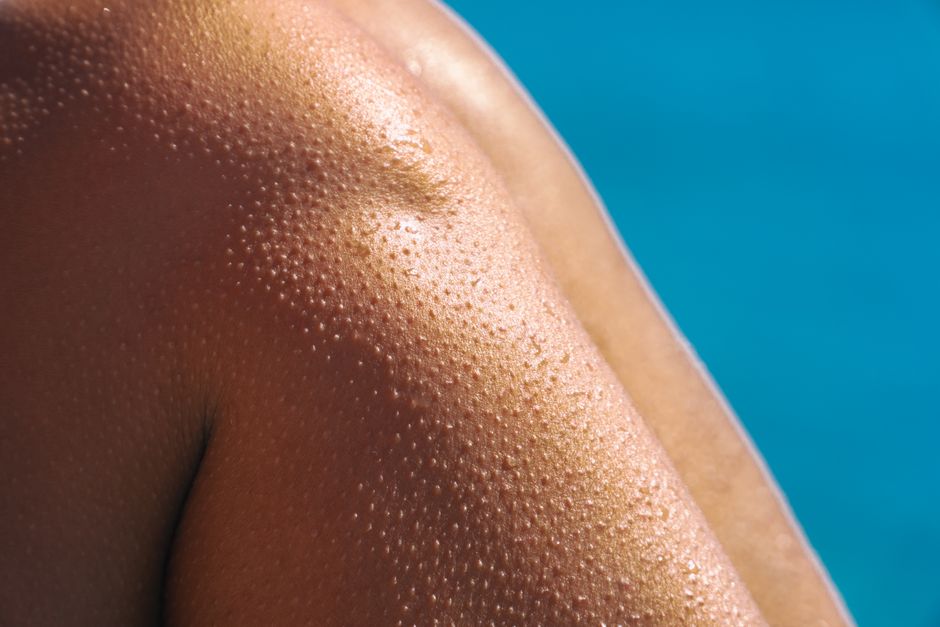
Heat rash shows up as tiny red or clear bumps on the skin. They often sit in clusters. The rash tends to appear in skin folds and areas where clothing traps sweat.
Common spots include the neck, upper chest, armpits, groin, and the creases inside elbows and behind knees. In babies, it often appears on the neck, shoulders, and chest. Adults who work or exercise in heat often see it on the back and torso.
The main symptom is a prickling or itchy feeling. Some people describe it as a stinging sensation. In most cases the skin is not painful to touch and there is no fever. If the area becomes swollen, hot, or leaks pus, that points to something else and needs medical attention.
There are different types of heat rash. The mildest form, called miliaria crystallina, produces small clear blisters with no itching. Miliaria rubra is the red, itchy type most people mean when they say heat rash. A deeper form called miliaria profunda causes firm bumps and can reduce sweating in that area. The deep form is less common and usually seen in people repeatedly exposed to heat.
How To Get Rid Of Heat Rash Quickly Home Remedies
Cooling the skin is the single most effective step. Everything else supports that goal.
Get out of the heat and into a cool, preferably air-conditioned space. Remove tight clothing and let the skin breathe. If you can, take a cool shower or bath. Pat the skin dry rather than rubbing it. Rubbing irritates the blocked ducts and can make the rash worse.
Apply a cool, damp cloth to the area for short periods. A fan directed at the skin helps too. The goal is to lower skin temperature and stop the sweating that keeps the ducts blocked.
Once the skin is dry and cool, leave it uncovered when possible. Loose cotton clothing helps. Avoid heavy creams and ointments, which can trap moisture and block ducts further.
For itching, a few options are widely used:
- Calamine lotion, applied thinly to the rash.
- An over-the-counter hydrocortisone cream for short-term use on itchy areas.
- An oral antihistamine if itching is disrupting sleep, though evidence for its benefit in heat rash specifically is limited.
Do not use petroleum jelly or thick ointments on an active heat rash. They seal the skin and can worsen duct blockage. Powder can help keep skin folds dry, but use it lightly and stop if it cakes.
Most heat rash fades within a few days with these steps. If it does not improve after several days of cooling and keeping the skin dry, or if it spreads, see a doctor.
What Makes Heat Rash Worse?
Heat and moisture keep the ducts blocked. Anything that adds either one slows healing.
Tight or synthetic clothing traps sweat against the skin. Heavy moisturizers, sunscreen applied thickly, and occlusive ointments do the same. Staying in a hot environment without cooling keeps the cycle going.
Scratching is a common mistake. It breaks the skin and opens the door to infection. Friction from clothing or from skin rubbing against skin also irritates the rash.
Some medications can reduce sweating and make heat rash more likely. These include certain drugs used for motion sickness and some antipsychotics. If you suspect a medication is involved, talk to your doctor rather than stopping it on your own.





When Should You See a Doctor for Heat Rash?
Most heat rash is harmless and clears without treatment. A few signs mean it is time to get medical care.
See a doctor if the rash does not improve after several days, if it spreads widely, or if it becomes very painful. Signs of infection include increasing redness, swelling, warmth, pus, or a foul smell. Fever with a rash is another reason to seek care.
A serious condition called heat exhaustion can accompany heavy sweating and heat exposure. Warning signs include nausea, dizziness, headache, muscle cramps, and heavy sweating with cool, clammy skin. Heat stroke is a medical emergency and involves a body temperature of 104°F (40°C) or higher, confusion, and hot, dry skin or profuse sweating. Call 911 for suspected heat stroke.
If the rash keeps coming back, a doctor can help identify whether something else is going on. Some skin conditions look similar to heat rash, including fungal infections and eczema. A doctor can tell them apart.
How Can You Prevent Heat Rash?
Prevention comes down to keeping skin cool and dry. That is the same principle that treats an active rash.
Wear loose, light clothing made of breathable fabrics in hot weather. Cotton and moisture-wicking materials work well. Change out of sweaty clothes promptly after exercise or work.
Take breaks in cool or shaded areas when you are active in heat. Shower and dry off after sweating heavily. Keep skin folds clean and dry.
Stay hydrated. Drinking enough water supports normal sweating, which helps regulate body temperature. Avoid heavy creams on hot days.
For babies, keep them in cool clothing and avoid overdressing. Check the neck and skin folds often in warm weather. A baby’s sweat ducts are not fully developed, which makes heat rash more common in infancy.
What About Babies and Young Children?
Heat rash is very common in babies. Their sweat ducts are smaller and block more easily. The approach is the same: cool the skin, keep it dry, and avoid heavy products.
Dress a baby in light layers and use a fan or air conditioning to keep the room comfortable. Give lukewarm baths and pat the skin dry. Avoid thick lotions and ointments on the rash.
Do not use powder heavily on a baby, since inhaled powder can irritate the lungs. If the rash looks infected or the baby has a fever, call a doctor. No clinical guidelines recommend specific medicated creams for heat rash in infants, so check with a pediatrician before applying anything beyond basic cooling and drying.
Frequently Asked Questions
How long does heat rash last?
Most heat rash clears within a few days once you cool the skin and keep it dry. If it lasts longer than several days or gets worse, see a doctor.
Does heat rash go away on its own?
Yes, mild heat rash usually resolves without treatment once the skin is kept cool and dry. Home cooling steps speed up recovery.
What is the fastest way to get rid of heat rash?
Move to a cool place, remove tight clothing, and cool the skin with a shower, damp cloth, or fan. Keeping the area dry is the key step.
Can I use hydrocortisone cream on heat rash?
A thin layer of over-the-counter hydrocortisone can help with itching for short-term use. Avoid thick ointments, which can block sweat ducts and worsen the rash.
