
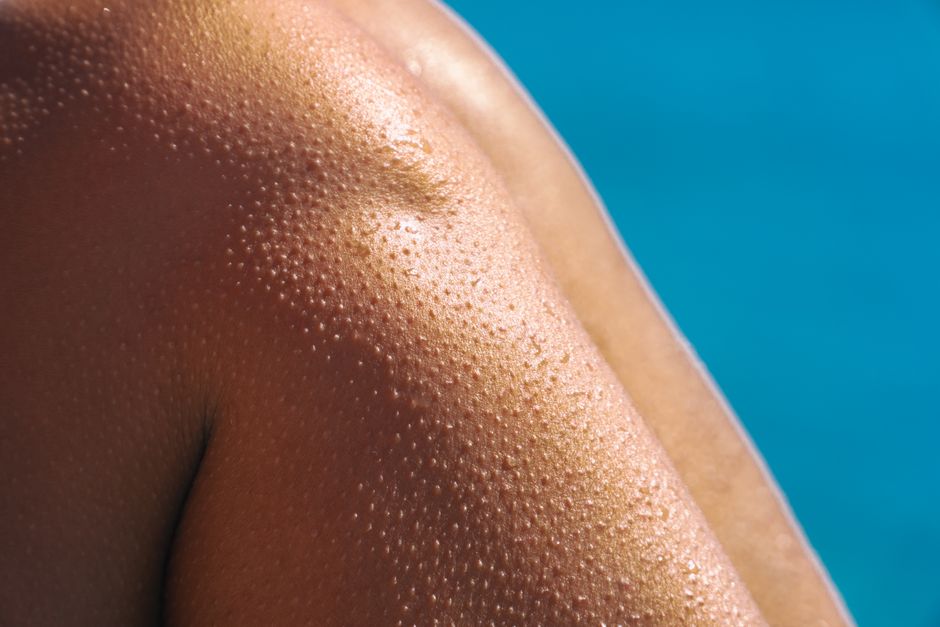
Extremely dry skin is not just a cosmetic issue. It is a skin barrier problem that can cause real discomfort, flaking, tightness, and sometimes cracking. The fix is not one miracle cream. It is a sequence of habits done consistently. This step-by-step routine focuses on repairing the barrier, locking in moisture, and avoiding the mistakes that make dryness worse.
What Causes Extremely Dry Skin in the First Place?
Dry skin happens when the outer layer of skin, called the stratum corneum, loses water too quickly. This layer acts like a brick wall. Skin cells are the bricks, and natural oils called lipids are the mortar. When the lipids break down, water escapes and irritants get in.
Several things cause this breakdown. Cold weather and low humidity pull moisture out of the air and the skin. Hot showers strip oils. Harsh soaps remove the lipid barrier directly. Age also plays a role — oil production naturally drops after age 40. Some medications, like diuretics and certain acne treatments, can also dry the skin. In some cases, extremely dry skin is linked to conditions like eczema, psoriasis, or thyroid disease. If your skin is severely cracked, bleeding, or not improving, a dermatologist should evaluate you.
Step 1: Change How You Wash Your Skin
Most people with dry skin make their problem worse in the shower. Hot water feels good but it dissolves the skin’s natural oils faster than warm water. Use lukewarm water instead. Keep showers under 10 minutes. This alone can make a noticeable difference within a week.
Your cleanser matters as much as the water temperature. Standard bar soaps are alkaline and disrupt the skin’s naturally acidic pH. This damages the lipid barrier. Look for cleansers labeled “hydrating,” “cream,” or “gentle.” These are typically syndets — synthetic detergents that clean without stripping oils. Avoid anything with “antibacterial” or “deodorant” on the label; those are harsher. If your skin feels tight after washing, your cleanser is too strong.
Step 2: Apply Moisturizer Within Minutes
Timing is the most overlooked part of dry skin care. Moisturizers work by trapping water in the skin. If you wait 20 minutes after showering to apply moisturizer, much of that water has already evaporated. Apply moisturizer within 3 minutes of stepping out of the shower. Pat skin mostly dry with a towel — do not rub — then apply your moisturizer while skin is still slightly damp.
This damp-skin technique is not a marketing gimmick. Dermatologists have long taught it because humectant ingredients like glycerin and hyaluronic acid draw water from the damp surface into the deeper layers of skin. When applied to bone-dry skin, those same ingredients have less water to pull from and can actually pull moisture from deeper skin layers to the surface, where it evaporates. That is the opposite of what you want.




Step 3: Layer the Right Ingredients
Not all moisturizers are equal. The most effective approach uses two categories of ingredients: humectants and occlusives.
Humectants draw water into the skin. Glycerin, hyaluronic acid, and panthenol are the most studied. Glycerin, in particular, is one of the best-validated skincare ingredients in dermatology. It is a normal component of healthy skin and has been shown in research to improve skin hydration and barrier function.
Occlusives form a physical layer on the skin that slows water loss. Petroleum jelly is the gold standard. It reduces water loss from the skin by up to 98% in controlled studies. Other effective occlusives include shea butter, dimethicone, squalane, and mineral oil.
A simple routine: apply a humectant serum or lotion to damp skin, then seal it with a thicker cream or ointment. If you only want one product, choose a cream that contains both humectants and occlusives. Lotions are mostly water and evaporate quickly. Creams and ointments have a higher oil content and stay on the skin longer. For extremely dry skin, ointments are the most effective but the least cosmetically elegant. Many people reserve ointments for nighttime use.
Step 4: Choose the Right Moisturizer for Your Skin
The ingredient list matters less than the formulation. A product can contain great ingredients in amounts too low to matter. Look for glycerin or hyaluronic acid in the first five ingredients — that means it is present in a meaningful concentration. Ceramides are also beneficial; they are the lipid molecules that make up the mortar between skin cells. Research has shown that ceramide-containing moisturizers help repair the skin barrier.
Avoid products with fragrance, essential oils, or alcohol. Fragrance is the most common cause of allergic contact dermatitis in skincare products. Denatured alcohol evaporates quickly and pulls water with it. If a product stings or burns when applied to dry skin, stop using it. That reaction means the barrier is compromised and the product is irritating it further.
Step 5: Adjust Your Routine for Nighttime
Nighttime is when the skin repairs itself. You can be more aggressive with occlusives at night because you do not have to worry about how the product looks. A thick layer of petrolatum-based ointment over your regular moisturizer is one of the most effective treatments for extremely dry skin. It feels greasy, but it works.
Some dermatologists recommend “wet wrapping” for severe dryness. This involves applying moisturizer, then wrapping the area in damp gauze or cotton gloves and leaving it overnight. This technique is used in clinical settings for stubborn eczema and severe xerosis. It is safe for most people but should be discussed with a doctor first if you have signs of infection, such as oozing, crusting, or warmth.
Step 6: Use a Humidifier in Dry Environments
Heating systems in winter and air conditioning in summer both lower indoor humidity. Low humidity accelerates water loss from the skin. A humidifier in your bedroom, set to keep relative humidity around 40-50%, can reduce dryness. This is especially helpful in winter climates where indoor air can drop below 20% humidity.
This is not a minor detail. Studies on healthcare workers who washed hands frequently found that higher room humidity was associated with less skin dryness and less barrier damage. For people with extremely dry skin, environmental humidity is part of the equation, not a luxury.
Step 7: Protect Skin From the Sun
Sun damage breaks down collagen and elastin, but it also damages the lipid barrier. Ultraviolet radiation generates free radicals that degrade the skin’s natural moisturizing factors. Over time, sun-exposed skin becomes thinner, drier, and more fragile.
Use a broad-spectrum sunscreen with SPF 30 or higher on exposed skin every day, even in winter. If your moisturizer does not contain sunscreen, apply it on top. For dry skin, choose a sunscreen labeled “moisturizing” or one with a cream base rather than a gel or spray, which can be drying.
Step 8: Evaluate Your Diet and Hydration
Drinking water alone will not fix dry skin. The skin’s water content is regulated by the body, and excess water is excreted as urine, not routed to the skin. That said, chronic dehydration can worsen skin dryness. Aim for adequate fluid intake based on thirst and urine color — pale yellow is a reasonable target. There is no evidence that drinking more than that improves skin hydration.
Some dietary factors have better evidence. Essential fatty acids, particularly omega-3s found in fish, are structural components of skin lipids. Research on omega-3 supplements for dry skin is mixed, but a diet lacking in healthy fats can contribute to a compromised barrier. Vitamin D deficiency has also been linked to dry skin in some studies. If you have persistent dryness despite good skincare, it is reasonable to ask your doctor to check your vitamin D level.
What Not to Do When You Have Dry Skin
Avoiding mistakes is as important as the routine itself. Do not exfoliate aggressively. Physical scrubs and chemical exfoliants like glycolic or salicylic acid remove dead skin cells, but they also strip the barrier. For extremely dry skin, exfoliation should be paused until the skin is no longer tight or flaky. Once healed, exfoliate no more than once a week with a gentle product.
Do not pick at flaking skin. Picking opens micro-tears in the skin, inviting infection and inflammation. Do not apply moisturizer to broken or cracked skin without cleaning it first. If cracks are deep, painful, or bleeding, see a doctor. They may need a prescription barrier cream or an antibiotic if infection is present.
Do not rely on “natural” oils alone. Coconut oil, olive oil, and other plant oils contain oleic acid, which can disrupt the skin barrier in some people. Coconut oil is comedogenic for many and can clog pores. If you use oils, use them as a top layer over a humectant, not as your only moisturizer.
When to See a Doctor About Dry Skin
Most dry skin responds to the routine above within two weeks. If it does not, or if you notice specific warning signs, see a dermatologist. These signs include skin that is extremely red, warm, weeping, or crusted — those suggest infection. Severe itching that disrupts sleep, or dryness that appears suddenly without an obvious cause, also warrants evaluation.
Your doctor may prescribe a topical corticosteroid for inflammation, a prescription barrier cream, or investigate underlying causes like thyroid disease, diabetes, or a skin condition like eczema. In rare cases, extremely dry skin can be a sign of an internal problem. Do not assume your dryness is just “normal” if it is severe enough to interfere with daily life.
Frequently Asked Questions
How long does it take to fix extremely dry skin?
Most people see meaningful improvement within 1 to 2 weeks of consistent routine changes. Severe cases, especially with cracking or an underlying condition like eczema, may take 4 to 6 weeks or longer.
Is it better to use a cream or an ointment for dry skin?
Ointments like petroleum jelly are more effective because they prevent more water loss. Creams are easier to tolerate during the day; use an ointment at night for the strongest effect.
Can drinking more water cure dry skin?
No. The body does not route excess water to the skin. Adequate hydration helps overall health, but topical moisturizers and barrier repair are the effective treatments for dry skin.
Why does my skin feel worse after applying moisturizer?
This usually means the product contains an irritant like fragrance, alcohol, or a preservative you are sensitive to. It can also mean the barrier is severely compromised; try a fragrance-free ointment instead and see a doctor if stinging persists.
