
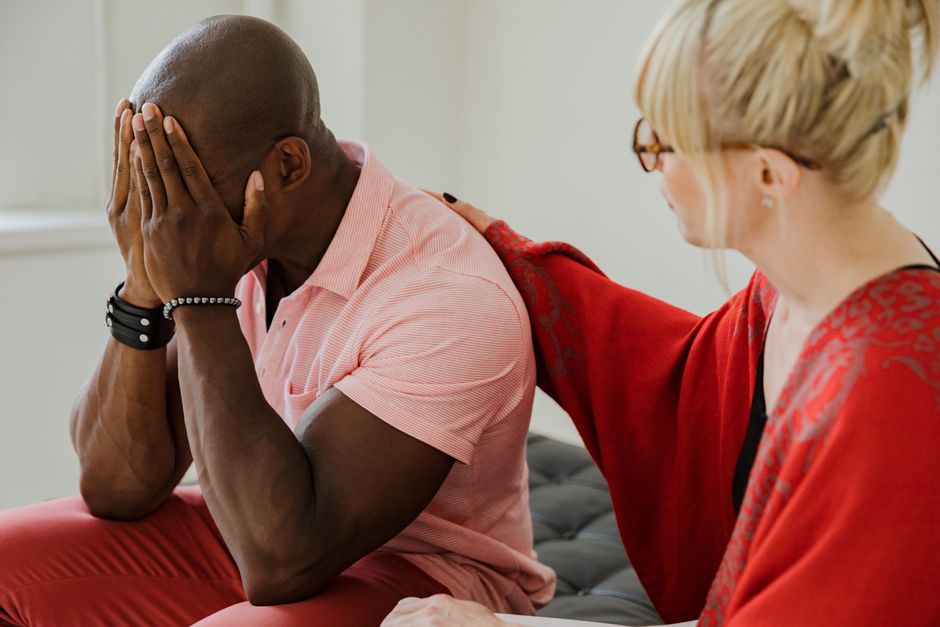
Emotional detachment in marriage feels like living with a stranger. One or both partners stop sharing feelings, stop reaching out, and the connection fades. The fix starts with identifying why the detachment happened, then taking intentional steps to rebuild trust and communication. This often means individual reflection, honest conversations, and sometimes professional help. No single strategy works for every couple, but the most effective path involves both partners committing to change the patterns that created the distance.
What causes emotional detachment in marriage?
Emotional detachment usually builds over time. It rarely appears suddenly. Common causes include repeated unresolved conflict, feeling unheard or dismissed, and major life stressors like job loss, illness, or parenting pressures.
Some partners withdraw as a protective response. If one person felt criticized or rejected, they may stop sharing to avoid more pain. Infidelity, whether physical or emotional, can also trigger detachment. The betrayed partner often shuts down to protect themselves.
Mental health conditions play a role too. Depression, anxiety, or past trauma can make a person emotionally unavailable. In these cases, treating the underlying condition is essential before the marriage can heal.
Sometimes detachment has no dramatic cause — it simply results from years of neglect. Couples stop dating, stop checking in, and the emotional bank account runs dry.
How do you recognize emotional detachment?
You notice a lack of emotional sharing. Your spouse no longer tells you about their day, their worries, or their joys. Conversations stay surface level — chores, schedules, logistics.
Physical intimacy often declines. Hugs become rare. Sex may stop entirely or feel mechanical. One or both partners avoid eye contact or turning toward each other in bed.
You may feel lonely even when you are together. Arguments, if they happen, stay focused on practical matters. Deeper feelings get ignored or shut down with phrases like “I don’t want to talk about it” or “You’re overreacting.”
One sign that people miss: you stop trying to resolve conflict. When both partners give up arguing, the marriage is not peaceful — it is detached. Silence does not mean healing.
How To Fix Emotional Detachment In Marriage?
Start with yourself. You cannot control your spouse’s behavior, but you can change how you respond. Reflect on your own role in the detachment. Ask honestly: Have I been critical? Dismissive? Distracted?
Next, create space for a calm conversation. Choose a time when neither of you is tired or rushed. Use “I” statements: “I feel disconnected and I want us to find a way back to each other.” Avoid blame. The goal is not to win an argument but to open a door.
Rebuild emotional safety. When your spouse shares something vulnerable, do not jump to problem-solving or criticism. Listen. Validate. Say “That sounds hard” or “I understand why you felt that way.” Emotional detachment thaws when people feel heard.
Reintroduce small positive interactions. Touch your partner’s shoulder while passing. Send a text during the day that has no request, just connection. Research consistently shows that small, repeated gestures of affection rebuild closeness over time.
Consider marriage counseling. A skilled therapist helps couples identify the patterns driving detachment and teaches communication skills. Many couples wait too long. Early intervention increases the chance of recovery.
If your spouse refuses to engage, focus on your own growth. Individual therapy can help you cope, set boundaries, and decide what you need for your own well-being. In some cases, one partner’s change in behavior eventually shifts the dynamic.





Can emotional detachment be reversed?
Yes, but it requires effort from both partners. Reversal is more likely when both people are willing to look at their own contributions and make changes. The process takes time — weeks or months, not days.
Couples who successfully reverse detachment often describe a turning point: a moment when one person risked being vulnerable and the other responded with care instead of criticism. That single event can start rebuilding trust.
However, if the detachment is rooted in long-term abuse, addiction, or a refusal to change, reversal may not be possible. In those cases, individual therapy helps the partner decide whether to stay or leave.
No guarantee exists. Sometimes the marriage cannot be saved. But most couples who commit to professional help and consistent effort see improvement.
When should you seek professional help?
If you have tried talking several times and nothing changes, it is time to get help. Many couples wait months or years, hoping the problem will resolve on its own. It rarely does.
Seek a licensed marriage and family therapist (LMFT) or a psychologist experienced in couples counseling. Some therapists offer emotionally focused therapy (EFT), which has strong research support for repairing attachment bonds.
If one partner has untreated depression, anxiety, or trauma, individual therapy may be needed first or alongside couples counseling. A mental health condition can block emotional connection regardless of how hard the couple tries.
If there is any history of physical violence or controlling behavior, do not pursue couples counseling. Individual therapy for the abusive partner and safety planning for the other is the appropriate first step.
What if your spouse will not change?
This is a painful reality. You cannot force someone to become emotionally available. You can, however, take care of yourself.
Set boundaries. Decide what you will and will not accept in your marriage. Communicate those boundaries clearly: “I need us to talk about our feelings once a week. If you are not willing, I will need to consider other options.”
Focus on your own life. Build connections with friends, pursue hobbies, and attend to your mental health. A strong sense of self makes it easier to tolerate uncertainty and make hard decisions.
Some couples stay together despite permanent emotional detachment. Others separate. There is no right answer for everyone. A therapist can help you clarify what matters most to you.
Can emotional detachment be prevented?
Prevention is easier than repair. Couples who maintain emotional connection do a few things consistently. They check in daily — even five minutes of genuine conversation. They address small frustrations before they grow. They prioritize physical affection, even when tired.
They also protect their marriage from outside drains. Work stress, parenting demands, and screen time all compete for attention. Setting intentional time together — no phones, no kids, no agenda — preserves the bond.
No couple avoids all disconnection. Life happens. The key is noticing when distance starts and taking action early. A weekend away or a honest conversation can often reset things before detachment sets in.
Frequently Asked Questions
How long does it take to fix emotional detachment in a marriage?
Most couples see improvement within three to six months of consistent effort and therapy. Severe or long-standing detachment may take longer, and some marriages do not fully recover.
Can one person fix emotional detachment alone?
One person cannot fix the marriage alone, but changing your own behavior can sometimes shift the dynamic. If your spouse remains unwilling to engage, you can only work on your own healing and decisions.
Is emotional detachment the same as falling out of love?
No. Emotional detachment is a pattern of withdrawal and disconnection. Falling out of love is a deeper loss of romantic feeling. Detachment can sometimes be reversed; falling out of love is harder to rebuild.
Should we separate to fix emotional detachment?
Temporary separation can sometimes create space for reflection, but it often deepens the distance. Most experts recommend trying intensive couples therapy before deciding to separate.
