
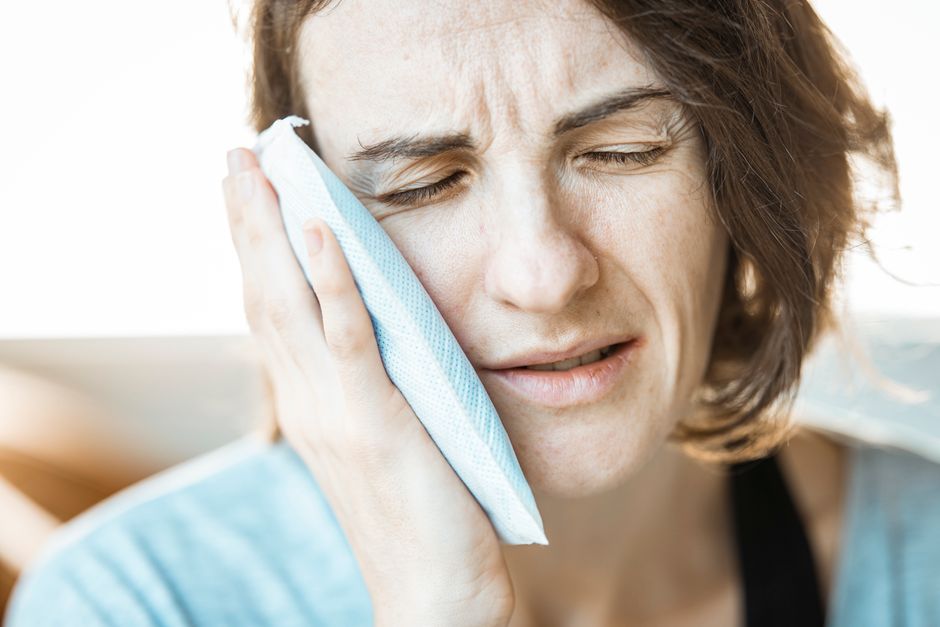
If you have a canker sore right now, the fastest way to get pain relief is a topical over-the-counter gel with benzocaine or lidocaine. You can also rinse with warm salt water several times a day to reduce inflammation. For more stubborn sores, a dentist can prescribe a corticosteroid paste that speeds healing. These options target the pain directly and are backed by clinical evidence.
Canker sores are small, shallow ulcers that appear inside your mouth. They are not cold sores. They are not contagious. They hurt, often a lot, especially when you eat, drink, or talk. The good news is most heal on their own within one to two weeks. The bad news is there is no cure. But there are reliable ways to manage the pain while they heal.
What Causes Canker Sores and Why Does It Matter for Treatment?
No one knows exactly what causes canker sores. That is the honest answer. Research suggests they are linked to a combination of factors. Minor mouth injuries are a common trigger. Accidentally biting your cheek or brushing too hard can start one. Stress is another well-documented trigger. So are acidic foods like citrus fruits and tomatoes.
Some people get canker sores because of nutritional deficiencies. Research published in the Journal of Oral Pathology & Medicine found that people with recurrent canker sores are more likely to have low levels of vitamin B12, folate, or iron. Hormonal changes may also play a role. Some women report getting them right before their period.
Understanding that canker sores have multiple possible triggers matters because it means no single treatment works for everyone. If your sore is from a nutritional deficiency, a topical gel might help the pain but will not prevent the next one. If your sore is from stress, managing stress might be more useful than any mouthwash. Knowing the cause helps you choose the right approach.
How To Fix A Canker Sore Pain Relief Options That Actually Work
The most effective pain relief options fall into two categories: topical numbing agents and anti-inflammatory treatments. Over-the-counter gels containing benzocaine or lidocaine numb the area for a short time. Products like Orajel or Anbesol work within minutes. The relief lasts about 20 to 30 minutes. That is long enough to eat a meal without pain.
For longer-lasting relief, consider a paste or ointment that forms a protective barrier over the sore. These products, often containing ingredients like carboxymethylcellulose, stick to the sore and shield it from irritation. You apply them after meals and before bed. They do not numb the area, but they reduce the pain caused by food and drink touching the ulcer.
Prescription options are stronger. Your dentist or doctor can prescribe a corticosteroid paste like triamcinolone acetonide. This reduces inflammation directly. Research shows it speeds healing and reduces pain more effectively than over-the-counter products. You apply it after meals and at bedtime. Do not use it for more than a few days without checking with your doctor.
Oral medications are rarely needed. For severe, recurrent canker sores, some doctors prescribe colchicine or dapsone. These are strong drugs with side effects. They are only for people who get sores so often and so painful that quality of life is significantly affected. Most people never need them.
Home Remedies: What the Evidence Says About Salt Water, Honey, and Alum
Salt water rinses are the most common home remedy. The evidence is moderate but consistent. Salt water creates an environment that is unfavorable for bacteria. It also reduces inflammation. Mix half a teaspoon of salt in a cup of warm water. Swish for 30 seconds and spit. Do this three to four times a day. It stings at first but the pain relief lasts for a while.
Honey is another popular remedy. Some studies suggest honey has antibacterial and anti-inflammatory properties. A 2014 study in the Journal of Oral Science found that honey applied to canker sores reduced pain and size faster than a standard topical treatment. The quality of the evidence is moderate. It is worth trying if you have honey at home and want a natural option. Use raw, unprocessed honey if possible.
Alum powder is a mineral salt that some people use. You dab a small amount on the sore. It tastes terrible and it stings intensely for a few seconds. Then the pain goes away for several hours. The evidence for alum is weak. It is mostly anecdotal. Some people report it works well. Others say it is not worth the discomfort.
Baking soda paste is another common suggestion. Mix a small amount of baking soda with a few drops of water to make a paste. Apply it to the sore. It neutralizes acids in the mouth and may reduce irritation. The evidence is weak. It is safe to try but do not expect dramatic results.




What to Avoid When You Have a Canker Sore
Avoid acidic and spicy foods. Citrus fruits, tomatoes, coffee, chocolate, and spicy dishes can make the pain worse. They irritate the raw tissue of the sore. Stick to bland foods like yogurt, oatmeal, and mashed potatoes until the sore heals.
Do not use alcohol-based mouthwashes. They sting and they can delay healing by drying out the tissue. If you want to use a mouthwash, choose one without alcohol. Some people find that chlorhexidine mouthwash, a prescription rinse, helps reduce pain and healing time. Ask your dentist about it.
Do not pick at or poke the sore. It is tempting to touch it with your tongue or a toothbrush. That only makes it larger and more painful. Let it heal on its own. If it is in a spot where your teeth rub against it, consider using a dental wax to cover the area temporarily.
Do not assume every mouth sore is a canker sore. If a sore lasts longer than three weeks, gets larger, or bleeds, see a dentist or doctor. Oral cancer can sometimes look like a canker sore. It is rare but it happens. A healthcare professional can tell the difference.
How to Prevent Canker Sores From Coming Back
If you get canker sores often, prevention is more useful than treatment. Start by identifying your triggers. Keep a simple diary for a few weeks. Write down when you get a sore and what you ate or did the day before. Patterns often emerge. For many people, acidic foods, stress, or minor mouth injuries are the main triggers.
Consider a vitamin B12 supplement. A 2017 study published in the Journal of the American Board of Family Medicine found that taking 1,000 micrograms of vitamin B12 daily reduced the number of canker sores in people who got them frequently. The study lasted six months. Participants who took B12 had fewer outbreaks and less pain. This is a simple, low-risk intervention to try.
Switch to a toothpaste without sodium lauryl sulfate. SLS is a foaming agent found in many toothpastes. Some research suggests it irritates the mouth lining and triggers canker sores in susceptible people. A small study in Oral Diseases found that people who switched to SLS-free toothpaste had fewer canker sores. The evidence is not strong, but the change is easy to make and has no downsides.
Manage stress. This is easier said than done, but the link between stress and canker sores is well-established. Even simple practices like deep breathing, short walks, or a consistent sleep schedule can reduce the frequency of outbreaks. It is not a guarantee, but it helps many people.
When to See a Doctor or Dentist About a Canker Sore
Most canker sores do not need medical attention. But there are clear signs that you should see a professional. If a sore lasts longer than three weeks, that is a red flag. If it is unusually large, meaning bigger than half an inch across, that is another sign. If you get several sores at once, or if they keep coming back without a clear trigger, talk to your dentist.
Pain that does not respond to over-the-counter treatments is another reason to seek help. Your dentist can prescribe stronger medication. They can also rule out other conditions like herpes simplex, lichen planus, or oral cancer. These are rare, but they can look like canker sores.
People with autoimmune conditions like Crohn’s disease or celiac disease get canker sores more often. If you have one of these conditions and notice a sudden increase in sores, talk to your doctor. It might mean your condition is not well controlled.
Children with canker sores need the same attention as adults. If a child has a sore that makes it hard to eat or drink, see a pediatrician. Dehydration is a real risk if the pain prevents them from drinking enough fluids.
Comparison of Pain Relief Options
| Option | How It Works | How Fast It Works | How Long It Lasts | Evidence Level |
|---|---|---|---|---|
| Benzocaine gel | Numbs the area | Minutes | 20-30 minutes | Strong |
| Lidocaine gel | Numbs the area | Minutes | 20-30 minutes | Strong |
| Corticosteroid paste | Reduces inflammation | 1-2 days | Hours (after application) | Strong |
| Salt water rinse | Reduces inflammation | Immediate | 30-60 minutes | Moderate |
| Honey | Antibacterial and anti-inflammatory | 1-2 days | Varies | Moderate |
| Alum powder | Astringent, dries the sore | Minutes | Several hours | Weak |
| Baking soda paste | Neutralizes acids | Immediate | Short | Weak |
Common Misconceptions About Canker Sores
Canker sores are not cold sores. This is the most common mix-up. Cold sores are caused by the herpes simplex virus. They appear on the lips and around the mouth. They are contagious. Canker sores appear inside the mouth and are not contagious. The treatments are different. Antiviral drugs work for cold sores but have no effect on canker sores.
You cannot catch a canker sore from someone else. This is widely claimed but false. Canker sores are not caused by a virus or bacteria that spreads from person to person. They are an inflammatory response in your own mouth. If someone in your family has one, you will not get it from sharing a cup or kissing.
There is no evidence that toothpaste alone causes canker sores. The SLS link is real but weak. Many people blame their toothpaste for canker sores when the real trigger is something else. Switching toothpaste is a reasonable experiment, but do not expect it to solve the problem completely.
Canker sores are not a sign of poor oral hygiene. Some people think they get them because they do not brush enough. That is not true. In fact, aggressive brushing can cause them. Gentle brushing with a soft toothbrush is better for prevention.
Frequently Asked Questions
How long does a canker sore usually last?
Most canker sores heal on their own within 7 to 14 days. Pain usually improves after the first few days.
Can I use ice to numb a canker sore?
Yes, sucking on an ice cube can temporarily numb the area. It is safe but the relief is very short-lived.
Is hydrogen peroxide safe for canker sores?
Diluted hydrogen peroxide can be used as a rinse but it can irritate the sore. It is not a first-choice treatment.
Does vitamin C help prevent canker sores?
No, vitamin C does not prevent canker sores. Some people find it actually triggers them because of its acidity.
