
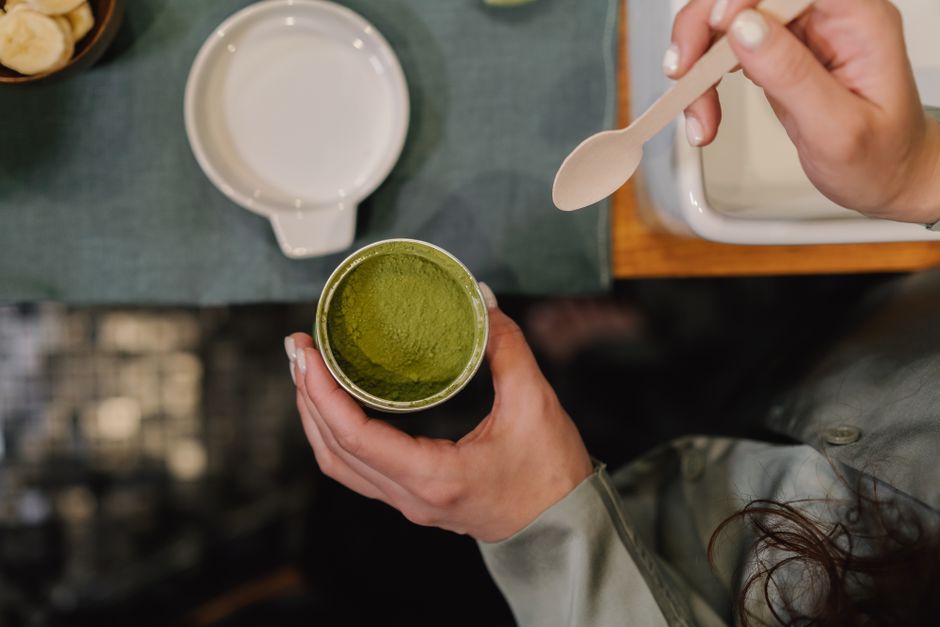
Matcha tea is a simple drink to prepare, but getting it right makes a real difference in taste and quality. To prepare matcha tea for weight loss, whisk one teaspoon of matcha powder with two ounces of hot water (not boiling) until frothy, then add six to eight ounces of warm milk or water. That is the basic method, and it takes about two minutes from start to finish.
Why Matcha Gets Attention for Weight Management
Matcha is ground green tea leaves. When you drink matcha, you consume the whole leaf, not just a steeped extract. That means you get a more concentrated amount of the compounds found in green tea, including caffeine and a group of antioxidants called catechins.
The most studied catechin in green tea is epigallocatechin gallate, usually called EGCG. Some studies suggest that EGCG combined with caffeine can modestly increase the number of calories your body burns at rest. The effect is small, and it does not replace diet or exercise. But it is one reason matcha appears in weight management discussions.
Research on green tea and weight loss shows mixed results. Some studies find a small effect on fat burning, especially during exercise. Others find no meaningful difference. The evidence is not strong enough to call matcha a weight loss tool on its own. It is better understood as a healthy beverage that may offer a minor metabolic boost when part of an otherwise balanced routine.
How to Prepare Matcha Tea for Weight Loss
Start with quality matcha. Ceremonial grade is smoother and less bitter, which matters if you drink it plain. Culinary grade works for smoothies or lattes but tends to taste more astringent. For weight loss purposes, the grade does not change the compounds. Choose the one you will actually enjoy drinking.
Here is the step-by-step method:
- Heat water to about 175°F (80°C). Boiling water scorches matcha and makes it bitter. If you do not have a thermometer, let boiling water sit for one minute before using it.
- Sift one teaspoon (about 2 grams) of matcha powder into a bowl or mug. Sifting prevents clumps.
- Add two ounces of the hot water.
- Whisk in a zigzag motion with a bamboo whisk, or use a small electric frother. Whisk until the surface is frothy, about 15 to 30 seconds.
- Add six to eight ounces of warm milk, water, or a milk alternative.
- Drink it within 10 minutes. Matcha settles and turns bitter as it sits.
If you prefer a cold drink, whisk the matcha with a small amount of warm water first, then pour it over ice and add cold milk or water. The initial warm whisk step is important. Matcha does not dissolve well in cold liquid on its own.
One teaspoon is a standard serving. Some people use half a teaspoon, especially when starting out. The caffeine content in one teaspoon of matcha is roughly 30 to 50 milligrams, which is less than a typical cup of coffee.
What to Add and What to Avoid
Matcha on its own is nearly calorie-free. A plain preparation has about 2 to 4 calories per serving. The weight loss question becomes complicated when you add ingredients.
A matcha latte made with whole milk and sweetened syrup can easily contain 200 to 400 calories. That is not a weight loss drink. It is a dessert beverage with some antioxidants in it.
If you want to keep the calorie count low, use unsweetened almond milk, skim milk, or plain water. Skip the sugar and flavored syrups. If you need sweetness, a small amount of stevia or monk fruit sweetener adds no calories. Honey and maple syrup are natural but still add sugar and calories.
Some research suggests that adding milk protein may reduce the availability of catechins. The effect appears modest, and the evidence is not definitive. If your main goal is maximizing catechin absorption, drinking matcha with water alone is the safest choice.
When to Drink Matcha for Best Results
Timing matters for two reasons: caffeine and food intake.
Matcha contains caffeine, so drinking it late in the day can interfere with sleep. Poor sleep is linked to increased hunger and weight gain. For most people, the cutoff should be early to mid-afternoon. If you are sensitive to caffeine, treat matcha like coffee and stop earlier.
Some research suggests that green tea catechins may slightly enhance fat oxidation during exercise. That effect, if it exists, is most relevant when you drink matcha 30 to 60 minutes before physical activity. This is not a strong recommendation. It is a reasonable practice based on the available evidence.
Drinking matcha with meals is a separate question. Some studies indicate that green tea can blunt the spike in blood sugar after a high-carbohydrate meal. The effect is small and not consistent across all research. If this interests you, drinking matcha with or just before a meal is a low-risk experiment. But do not expect it to cancel out a high-sugar meal.
How Much Matcha Is Safe Per Day
Moderate consumption of matcha is safe for most healthy adults. Two to three cups per day is a common range in countries where green tea is a daily staple. That level provides roughly 100 to 150 milligrams of caffeine, comparable to one to two cups of coffee.
Higher intake is where caution applies. Matcha is concentrated. Because you consume the whole leaf, you also consume more of everything in the leaf, including any contaminants that may be present. Some matcha products have been tested for lead and other heavy metals. Quality brands test their products and publish results. If you drink matcha daily, it is worth choosing a brand that does third-party testing.
Pregnant women should limit caffeine to 200 milligrams per day, according to standard clinical guidance. That allows for one or two servings of matcha, but check with your healthcare provider if you have specific concerns. No clinical guidelines exist specifically for matcha during pregnancy, so the general caffeine limit applies.
If you have a heart condition, anxiety disorder, or are sensitive to caffeine, talk to your doctor before adding matcha to your routine. The caffeine content is real and can affect heart rate and sleep.
Does Matcha Actually Help With Weight Loss
The honest answer is that matcha may offer a small advantage, but it is not a weight loss solution. The studies on green tea and weight loss show modest effects at best. Some meta-analyses have found that green tea catechins plus caffeine can increase energy expenditure by a small amount. The size of that effect is not enough to produce meaningful weight loss without other changes.
What matcha can do is replace higher-calorie drinks. If you switch from a sugary soda or a flavored latte to plain matcha, you reduce your daily calorie intake by a meaningful amount. That substitution effect is real and well supported. The benefit comes from what you are not drinking, not from the matcha itself.
Matcha also provides a smooth, steady caffeine lift without the jittery spike some people get from coffee. That can support a consistent exercise routine, which matters more for weight management than any single food or drink.
No study has confirmed that matcha alone causes weight loss. Anyone who claims otherwise is overstating the evidence.
Common Mistakes When Preparing Matcha
The most common mistake is using water that is too hot. Boiling water destroys the delicate flavor of matcha and makes it intensely bitter. If your matcha tastes harsh and unpleasant, check your water temperature first.
The second mistake is using too much powder. More matcha does not mean better results. It means more caffeine and a more bitter drink. Stick to one teaspoon per serving.
The third mistake is not whisking properly. Matcha does not dissolve like instant coffee. It needs vigorous whisking to suspend the powder in the liquid. A bamboo whisk works best, but a small milk frother is a fine substitute. A fork or spoon will leave clumps.
The fourth mistake is adding matcha to hot milk directly. Matcha mixes better when whisked with water first. Add the milk afterward. This produces a smoother drink with fewer lumps.
Frequently Asked Questions
How much matcha should I drink per day for weight loss?
One to two cups per day is a reasonable amount. That provides the caffeine and catechins studied in green tea research without excessive caffeine intake.
Can I drink matcha on an empty stomach?
Yes, most people can drink matcha on an empty stomach without problems. If you experience nausea or stomach discomfort, try drinking it with food instead.
Is matcha better for weight loss than green tea?
Matcha contains more concentrated catechins than steeped green tea because you consume the whole leaf. But no strong evidence shows matcha produces better weight loss outcomes than regular green tea.
Does matcha suppress appetite?
Some people report feeling fuller after drinking matcha, but clinical evidence for appetite suppression is limited. The modest caffeine content may slightly reduce hunger for some individuals, but this effect is not consistent or well established.
