
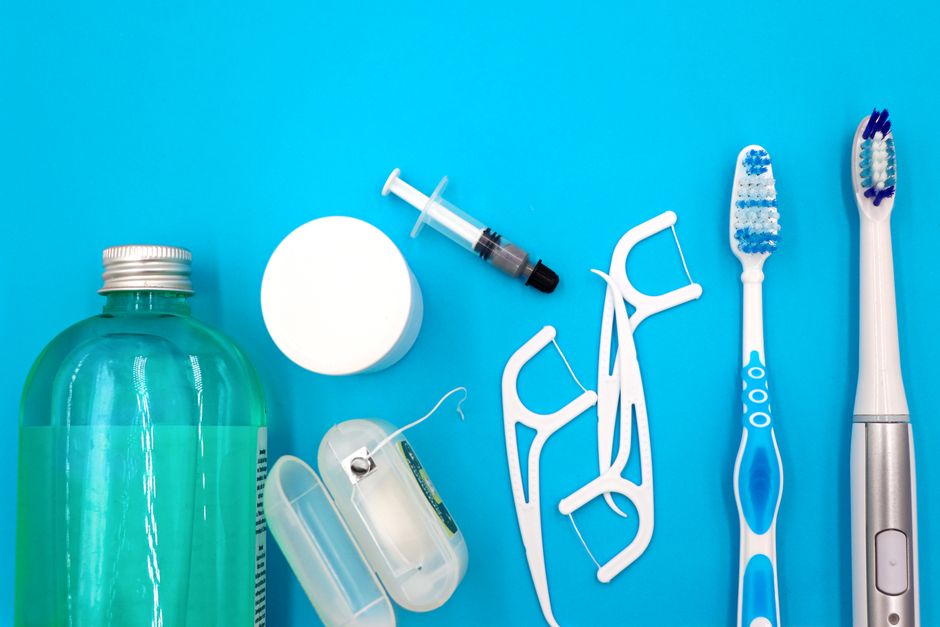
Cavities are preventable, and the methods that work are not complicated. They are also not the ones most people focus on. Fighting cavities is less about brushing harder and more about managing the bacteria that cause them, the sugar those bacteria feed on, and the fluoride that repairs the damage they do. This article explains what the evidence actually supports, what is marketing noise, and where genuine uncertainty remains.
What Actually Causes Cavities?
Cavities are the result of a chemical process, not a single bad habit. Certain bacteria in the mouth — mainly Streptococcus mutans and Lactobacillus species — ferment dietary sugars and produce acid. That acid lowers the pH in dental plaque and dissolves minerals from tooth enamel.
This is called demineralization. When the pH stays low, minerals leave the enamel faster than saliva can put them back. Over time, the enamel surface breaks down and a cavity forms.
The critical variable is not how much sugar you eat in a day. It is how often your teeth are exposed to acid. A single sugary snack produces an acid attack that lasts roughly 20 to 30 minutes. Five small snacks produce five attacks. The total sugar may be identical. The damage is not.
This is the part most people miss. Frequency of exposure matters more than quantity. Sipping a sweet drink slowly over an hour keeps the plaque pH low the entire time. Eating the same amount of sugar in two minutes does not.
Does Brushing Alone Stop Cavities?
Brushing removes plaque, and plaque removal matters. But brushing alone does not reliably prevent cavities, particularly between the teeth where bristles do not reach.
Two things make brushing effective. The first is fluoride. The second is technique and timing.
Brushing with a fluoride toothpaste delivers fluoride directly to the tooth surface. Fluoride does two things that are well established in the dental literature. It promotes remineralization — the return of calcium and phosphate into enamel — and it makes that rebuilt enamel more resistant to acid than the original.
Timing matters too. Brushing right after an acidic meal or drink, when enamel is temporarily softened, can cause more wear. Waiting roughly 30 minutes after eating is a common clinical recommendation, though the evidence for an exact window is not strong. The general direction is reasonable.
Most people also brush too briefly. Two minutes, twice a day, is the standard recommendation from dental organizations. Many adults brush for well under a minute without realizing it.
Which Habits Actually Reduce Cavity Risk?
The habits with the strongest evidence behind them are unglamorous. They are also consistent across dental research.
- Use fluoride toothpaste. This is the single most evidence-supported cavity prevention measure available. Water fluoridation and fluoride toothpaste have both been associated with substantially lower cavity rates in large population studies.
- Limit how often sugar hits your teeth. Fewer exposures per day means fewer acid attacks. This applies to sugary drinks, snacks, and even frequent small “healthy” sweets.
- Clean between your teeth daily. Flossing or using interdental brushes removes plaque from surfaces a toothbrush cannot reach. The evidence for flossing specifically is weaker than many people assume, but the principle of cleaning between teeth is sound and widely supported.
- Chew sugar-free gum after meals. Chewing stimulates saliva, which buffers acid and helps remineralize enamel. Sugar-free gum sweetened with xylitol has some evidence for reducing cavity risk, though the effect size varies across studies.
- Drink water, especially after eating. Water rinses away food debris and helps restore a neutral pH in the mouth.
None of these are dramatic. Together they address the actual mechanism — bacterial acid production and enamel repair — rather than surface appearance.




Does Fluoride Really Work, and Is It Safe?
Yes, fluoride reduces cavities. This is one of the most consistently supported findings in dentistry, backed by decades of research and population data.
The mechanism is well understood. When enamel demineralizes, fluoride ions help draw calcium and phosphate back into the tooth surface and form a mineral that is harder and more acid-resistant than the original enamel. Fluoride also interferes with the bacteria’s ability to produce acid.
On safety, the established position is that fluoride toothpaste used as directed is safe for adults and children. The main risk with fluoride is dental fluorosis — faint white marks on developing teeth — which occurs when children swallow too much fluoride during tooth development, typically from swallowing toothpaste. This is why children’s toothpaste often has lower fluoride concentrations and why supervising children’s brushing is recommended.
Some people worry about fluoride from water and toothpaste combined. Public health authorities consider typical exposure levels safe. If you have specific concerns, particularly for young children, a dentist or pediatrician is the right source for guidance specific to your situation.
What About Mouthwash, Toothpaste Claims, and “Natural” Products?
Mouthwash can help, but not all mouthwash is equal. Antibacterial mouthwashes reduce plaque bacteria, which is useful. But alcohol-based mouthwashes can dry the mouth, and a dry mouth means less saliva to buffer acid. Fluoride mouthwash adds cavity protection. Cosmetic mouthwashes that only freshen breath do little for cavity risk.
Toothpaste marketing is where claims run far ahead of evidence. “Whitening” toothpastes may remove surface stains but do not prevent cavities. Charcoal toothpastes are a particular concern — some evidence suggests abrasive charcoal can wear enamel, and charcoal may bind fluoride, potentially reducing its protective effect. No clinical evidence confirms charcoal toothpaste prevents cavities.
“Natural” or fluoride-free toothpastes exist in large numbers. Some contain ingredients like hydroxyapatite, a calcium phosphate mineral. Early research on hydroxyapatite toothpaste is promising, but it is not equivalent to the decades of evidence supporting fluoride. If you choose a fluoride-free toothpaste, understand you are choosing a less-established option.
Oil pulling — swishing coconut or other oils in the mouth — has been promoted for cavity prevention. The evidence is very limited. A few small studies have looked at it, but no large, well-controlled trials confirm it prevents cavities. It is not a substitute for fluoride or brushing.
When Should You See a Dentist?
Cavities in early stages are often reversible. Once a cavity reaches the dentin — the layer beneath enamel — it generally needs professional treatment. This is the practical reason regular dental visits matter: early demineralization can be caught and managed before it becomes a hole.
Signs that warrant a dental visit include:
- Visible dark spots, pits, or holes on a tooth
- Sensitivity to sweet, hot, or cold foods that persists
- Pain when biting down
- Persistent bad breath or an unusual taste
Pain is a late sign. By the time a cavity hurts, it has often progressed beyond the enamel. Regular checkups catch problems while they are still reversible. The recommended interval varies by individual risk, and a dentist is the right person to assess that.
Some dentists use risk assessment tools to decide how often a person needs checkups and whether additional measures like fluoride varnish or sealants are appropriate. Sealants — a protective coating applied to the chewing surfaces of back teeth — have good evidence for preventing cavities in children and adolescents, particularly on molars. Their benefit in adults is less well established but is sometimes considered for high-risk patients.
What Does Not Work as Well as People Think?
Several widely believed cavity-prevention strategies have weak or absent evidence.
Brushing harder does not clean better. It can wear enamel and irritate gums. Technique and duration matter more than force.
Rinsing with water immediately after brushing washes away the fluoride you just applied. Spitting out toothpaste without rinsing leaves more fluoride on the teeth. This is a small change with a real mechanistic basis, though its measured effect on cavity rates is modest.
Sugar-free does not mean acid-free. Some sugar-free foods and drinks still contain acids that erode enamel. Diet soda, citrus drinks, and even some sparkling waters are acidic.
And a common misconception: cavities are not caused by “weak teeth” or genetics alone. Genetics plays some role in enamel composition and saliva flow, but the dominant factors — bacteria, sugar frequency, fluoride exposure — are largely within your control.
Frequently Asked Questions
Can you reverse a cavity without a dentist?
Early demineralization before a hole forms can sometimes be reversed with fluoride and improved oral hygiene. Once a cavity reaches the dentin layer, it generally requires professional treatment.
Is fluoride toothpaste really necessary for adults?
Yes. Fluoride toothpaste remains the most evidence-supported way to prevent cavities in adults as well as children, and the benefit does not stop with age.
How often should you brush to prevent cavities?
Twice a day for two minutes with fluoride toothpaste is the standard recommendation from dental organizations. Brushing more often does not necessarily add protection and can wear enamel if done aggressively.
Does chewing gum actually help prevent cavities?
Sugar-free gum can help by stimulating saliva, which buffers acid and supports remineralization. Gum containing sugar does the opposite and increases cavity risk.
