
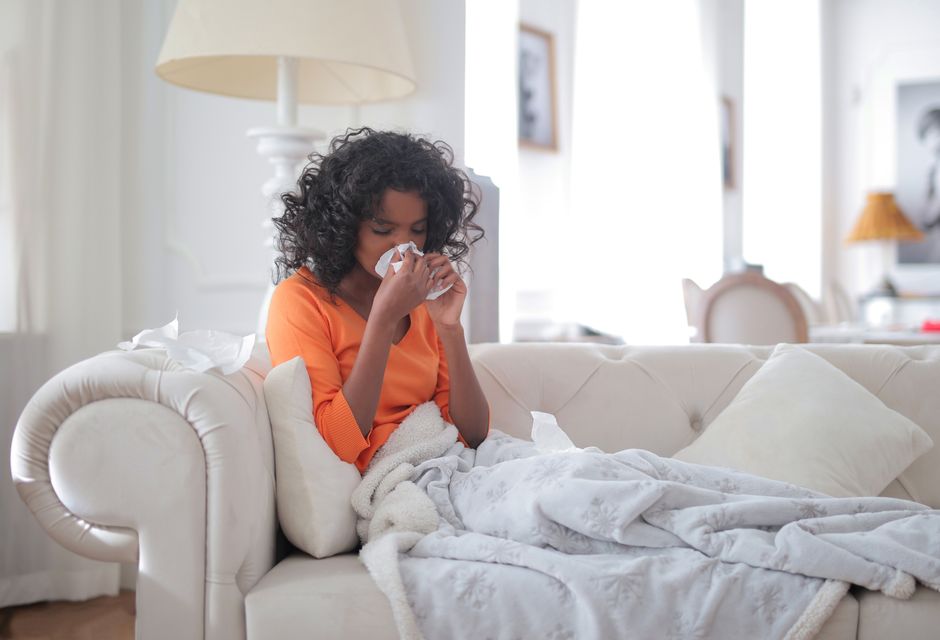
People search for how to fake being sick for many reasons. Some want a day off work or school. Others want to avoid a social event without hurting anyone’s feelings. And some are simply curious about whether it can be done convincingly.
The honest answer is that faking illness is possible in the short term, but it is much harder to sustain than most people expect. Doctors are trained to spot inconsistencies. Employers and teachers see the same excuses constantly. And some of the methods people use to look sick can actually harm their health.
This article explains what people typically try, how convincing those methods really are, and where the genuine risks lie. It is written for information, not as a how-to guide for deception.
Why Do People Want To Fake Being Sick?
The reasons are usually practical rather than dramatic. A worker may be out of paid leave and needs one more day. A student may be unprepared for a test. Someone may want to skip an event without a confrontation about why.
In some cases, the motivation is more serious. People with a history of repeated illness claims that do not match medical findings may be dealing with a condition called factitious disorder. This is a recognized psychiatric diagnosis in which a person intentionally produces or fakes symptoms, often to take on the role of a patient. It is different from simple malingering, which is faking for a clear external reward like money or time off.
Understanding the reason matters because the approach to each situation is different. A person who fakes illness once to avoid a difficult conversation is in a very different position from someone who does it repeatedly for psychological reasons.
What Methods Do People Commonly Try?
Most attempts rely on a small set of tricks. They generally fall into three groups: changing how you look, changing how you sound, and changing what you say.
For appearance, people sometimes use makeup to create a pale or flushed look, apply heat to raise the temperature reading on a thermometer, or avoid sleep to produce dark circles and a tired face. For sound, a person might cough, sniffle, or speak in a raspy voice. For words, the person describes symptoms that are hard to verify, such as a headache, nausea, or fatigue.
The appeal of vague symptoms is obvious. Nobody can measure a headache. But that same vagueness is also a weakness, because clinicians hear these complaints constantly and know which ones tend to come with visible signs.
How To Fake To Be Sick: What Actually Gives People Away
Real illness usually leaves traces that are hard to copy. A fever comes with a faster heart rate, flushed skin, and often sweating. A stomach bug comes with changes in appetite and energy that are difficult to perform for hours at a time. A bad cold comes with a runny nose that keeps running even when no one is watching.
Fakers tend to slip in predictable ways. They may cough only when someone is nearby. They may describe symptoms in a way that sounds like a list rather than a lived experience. They may overact, since most people underestimate how subdued genuine illness looks.
Doctors are also trained to notice mismatches. A person who claims severe nausea but looks comfortable and hydrated raises a question. A person who reports a high fever but has a normal pulse raises another. This is not about catching liars for sport. It is part of routine clinical assessment, and it is one reason faked illness is harder to maintain than people assume.




Can You Actually Fake a Fever?
Faking a fever is one of the most common goals, and one of the riskiest. People have tried holding a thermometer near a hot drink, rubbing it between their hands, or pressing it against a warm surface. Some of these can nudge a digital reading upward for a moment.
The problem is that a single number is not how fever is judged. Clinicians look at the whole picture: heart rate, skin temperature, how the person looks and feels, and whether the reading makes sense with everything else. A thermometer reading that does not match the rest of the exam tends to raise suspicion rather than settle it.
There is also a real safety issue. Applying heat to skin or to a device can cause burns or damage the thermometer. This is not a harmless prank when it involves heat near the body.
What Are the Real Risks of Faking Illness?
The biggest risk is not getting caught. It is what people do to themselves while trying to look sick.
- Staying awake for long stretches to look tired can impair attention, mood, and physical coordination.
- Deliberately causing vomiting or using substances to trigger symptoms can lead to dehydration and electrolyte problems.
- Taking medication you do not need, such as fever reducers or other drugs, exposes you to side effects for no benefit.
- Using heat to fake a temperature can burn skin or damage the thermometer.
There is a second risk that is easy to overlook. If you fake illness often, real symptoms may be taken less seriously later. A boss, teacher, or doctor who has seen a pattern of questionable claims may respond with more doubt the next time you are genuinely unwell. That can delay care when it matters.
Why Repeated Faking Can Point to a Deeper Issue
Occasional faking is common and usually situational. Repeated, elaborate faking is different. When someone keeps seeking the sick role even without an obvious reward, that pattern can be a sign of a psychological condition rather than simple dishonesty.
Factitious disorder is recognized in standard psychiatric diagnostic manuals. People with it may go to considerable lengths, including harming themselves, to appear ill. It is not well understood, and treatment usually involves mental health care rather than confrontation. If you recognize this pattern in yourself or someone close to you, a clinician or therapist is the right place to start.
This is not a moral judgment. It is a clinical one. The behavior often serves a psychological need, and that need is what treatment addresses.
What Are Better Alternatives to Faking Sick?
If the goal is time off or avoiding an event, honesty usually works better than a performance. Most workplaces and schools have policies for personal days, mental health days, or planned absence. Using them directly avoids the stress of maintaining a lie.
When a real reason feels hard to say out loud, a simple statement often works. “I need to take a personal day” or “I am not able to attend” is usually enough. You do not owe a detailed medical explanation to most people in your life.
If you are avoiding something because of anxiety, exhaustion, or burnout, that is worth paying attention to. Those are real problems with real solutions, and faking an illness only postpones them.
What Should You Do If You Are Actually Sick?
If you are genuinely unwell, the useful move is to describe what you are experiencing clearly and let a clinician assess it. Note when symptoms started, what makes them better or worse, and whether you have a fever, measured properly.
Do not exaggerate symptoms to be taken seriously. Overstating can lead to unnecessary tests or treatments, and it can make it harder for a clinician to find the real problem. Accurate reporting is what gets you the right care.
Frequently Asked Questions
Can you fake being sick and get away with it?
Sometimes, for a short time, especially with vague symptoms like a headache. It becomes much harder to sustain over hours or days, and clinicians are trained to notice when symptoms do not match visible signs.
How do you fake a fever?
People try warming a thermometer with heat or friction, but this rarely holds up because fever is judged by the whole exam, not one number. It also risks burns and damage to the device.
Is faking illness a mental health condition?
Occasional faking is not a diagnosis. Repeated faking for psychological reasons, without an external reward, can meet criteria for factitious disorder, which is a recognized psychiatric condition.
What happens if you get caught faking sick at work?
Consequences depend on your employer’s policies and can range from a warning to disciplinary action. Repeated dishonesty can also damage trust and make future real illness claims less credible.
