
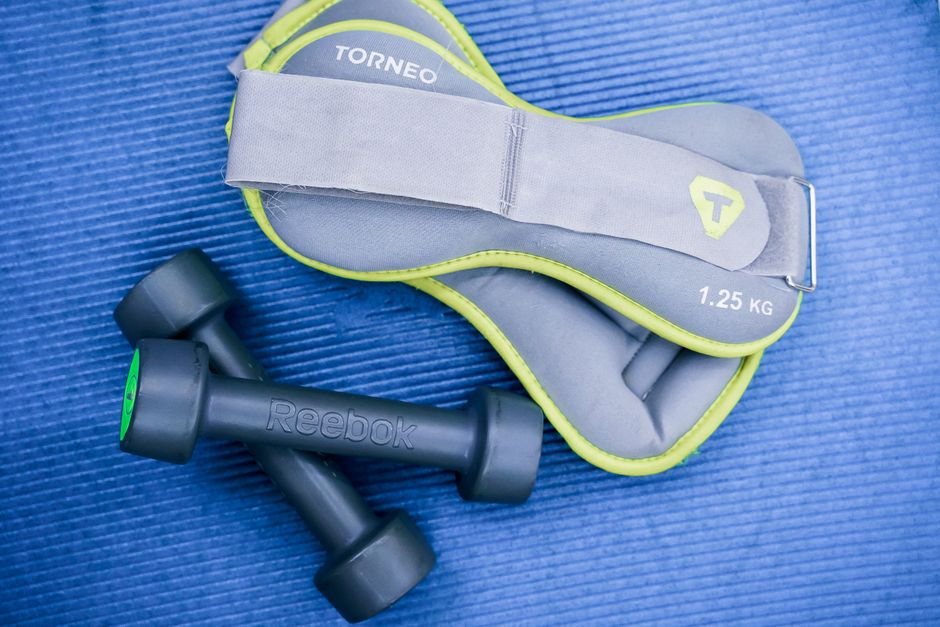
Exercising with a broken ankle is possible, but it requires a strict shift in focus. For the first several weeks, your goal is not fitness—it is maintaining muscle in your upper body and your uninjured leg while protecting the healing bone. Safe moves include seated upper-body strength work, core exercises on the floor, and single-leg cardio for your healthy leg, all performed only with your doctor’s clearance.
When Can You Start Exercising After a Broken Ankle?
The timeline depends entirely on the severity of your fracture and the treatment you received. A minor hairline fracture that is stable might allow for early movement. A complex break requiring surgery will demand a longer period of complete immobilization.
Do not start any exercise until your orthopedic doctor or physical therapist gives you the green light. This is not a suggestion—it is a medical requirement. Moving too early can displace the fracture, delay healing, or turn a non-surgical injury into a surgical one.
Typically, the first phase involves a cast or walking boot. During this time, you are non-weight-bearing or partial-weight-bearing. This period often lasts from 2 to 8 weeks. After that, you transition to a walking boot and begin weight-bearing exercises. Full return to high-impact activity can take several months.
What Exercises Are Safe During the Non-Weight-Bearing Phase?
If you are in a cast and using crutches, your lower body is off-limits. The ankle must stay still. However, you can safely work your upper body, core, and your healthy leg.
Seated upper-body exercises are your most reliable option. Use dumbbells, resistance bands, or a cable machine while seated on a bench or chair. Safe movements include bicep curls, shoulder presses, lateral raises, and seated rows. The key is to keep your feet planted and your back supported.
Core work is also safe if you can do it without involving the injured leg. Seated Russian twists with a light weight, or floor exercises like crunches and bird-dog variations, work well. For the bird-dog, you kneel on the uninjured knee and extend the opposite arm and leg. This keeps your injured ankle elevated and out of the way.
Your healthy leg can still get a workout. Seated leg extensions, hamstring curls with a light ankle weight, and hip abduction exercises with a resistance band around your thighs are all effective. These moves maintain muscle mass and blood flow without stressing the fracture.
How To Exercise With A Broken Ankle Safe Moves for the Healthy Leg
The healthy leg can carry a surprising amount of training load. Since you are not using the injured leg, the uninjured one can handle more volume than usual. This is a practical way to preserve lower-body strength.
Single-leg calf raises on the healthy side are safe and effective. Hold onto a counter or chair for balance. Perform slow, controlled raises. This maintains calf strength that will be needed when you start walking again.
Single-leg glute bridges are another excellent option. Lie on your back with your healthy foot flat on the floor and your injured leg extended straight. Push through the healthy heel to lift your hips. This works the glutes and hamstrings without any ankle involvement.
For cardio, a seated arm ergometer—a bike you pedal with your hands—is one of the best tools. It raises your heart rate without loading the ankle. If you do not have access to one, seated cardio routines using light dumbbells can help maintain cardiovascular conditioning.





Which Exercises Should You Absolutely Avoid?
Any exercise that requires standing on the injured leg is strictly prohibited during the non-weight-bearing phase. This includes squats, lunges, and any standing balance work. Even if it feels okay, the bone is not strong enough to handle your body weight.
Avoid exercises that require bending or twisting the ankle. This rules out ankle circles, alphabet exercises, and any range-of-motion movements unless specifically prescribed by your physical therapist. Early motion can disrupt the healing callus.
Do not attempt to exercise through pain in the ankle. Pain is a warning signal. If an upper-body exercise causes your ankle to ache, that movement is too strenuous. The body responds to strain globally, and the healing area will signal distress.
Also avoid any exercise that risks a fall. Do not balance on unstable surfaces. Do not attempt standing exercises on the healthy leg if you feel unsteady. A fall onto the injured ankle can cause a serious setback.
How Does the Exercise Plan Change When You Start Bearing Weight?
Your doctor will tell you when you can begin partial or full weight-bearing. This usually happens when X-rays show the bone has healed enough to support your weight. At this point, your physical therapist will guide you through a progressive rehabilitation program.
Weight-bearing exercises start with basic movements. Standing calf raises on both legs, partial squats, and standing hip exercises are common starting points. You will likely wear a walking boot during these early exercises.
Range of motion becomes a priority at this stage. Ankle pumps—pulling your toes toward you and then pointing them away—are typically the first movement exercises. Your therapist may also guide you through ankle inversion and eversion stretches.
Balance training begins once you can stand comfortably. Start with double-leg stance, then progress to single-leg stance on the injured ankle. This phase is critical for preventing future ankle sprains. The muscles and ligaments need to relearn how to stabilize the joint.
What Is the Best Cardio Option With a Cast or Boot?
Cardiovascular exercise is challenging with a broken ankle because most cardio machines require lower-body involvement. However, several options exist.
The arm ergometer is the best choice. It provides a genuine cardiovascular workout while keeping your lower body completely still. You can adjust resistance and maintain a steady heart rate for 20 to 30 minutes.
If you have access to a pool, water exercises may be an option—but only with your doctor’s approval. The buoyancy of water reduces weight on the ankle. However, you must keep the cast or boot completely dry. Waterproof cast covers exist, but confirm with your doctor before entering the pool.
When you progress to partial weight-bearing, a stationary bike can be used with caution. Place the injured foot on the pedal and start with no resistance. If rotating the pedal causes pain, stop. The range of motion required for cycling may be too much early on.
How Important Is Nutrition During Ankle Healing?
Exercise is only part of the recovery picture. Nutrition plays a direct role in bone healing. Your body needs specific nutrients to build new bone tissue.
Calcium and vitamin D are essential. Calcium provides the raw material for bone repair. Vitamin D helps your body absorb that calcium. Dairy products, leafy greens, and fortified foods are good sources. Some research suggests that adequate protein intake also supports fracture healing.
Do not take high-dose supplements without consulting your doctor. Excess calcium can cause kidney stones. Your doctor can test your levels and recommend appropriate supplementation if needed.
Hydration matters too. Muscle function depends on proper fluid balance. Even in a cast, your muscles are working during exercise. Drink water before, during, and after your workouts.
When Can You Return to Normal Exercise?
Returning to normal exercise is a gradual process that takes patience. Most ankle fractures require several months before full activity resumes. High-impact activities like running or jumping may take 4 to 6 months or longer.
Your physical therapist will guide your return based on measurable progress. You will need to regain full range of motion, strength, and balance before returning to high-impact activities. Rushing this process significantly increases the risk of re-injury.
Listen to your body throughout the process. Some soreness is normal as you increase activity. Sharp pain is not. If you experience sharp pain, swelling, or instability, stop the activity and consult your healthcare provider.
Frequently Asked Questions
Can I lift weights with a broken ankle?
Yes, you can safely lift weights using your upper body while seated, as long as your ankle remains still and you have your doctor’s approval.
Is it safe to do core exercises with a broken ankle?
Most floor-based core exercises are safe, but you must modify them so the injured ankle stays elevated and completely still.
How long should I wait before exercising after breaking my ankle?
Wait until your orthopedic doctor clears you for exercise, which is typically after your initial follow-up appointment and X-rays confirm the bone is stable.
Can I use a stationary bike with a walking boot?
You can try a stationary bike with a walking boot only after your doctor approves weight-bearing, and you must stop immediately if ankle rotation causes pain.
