
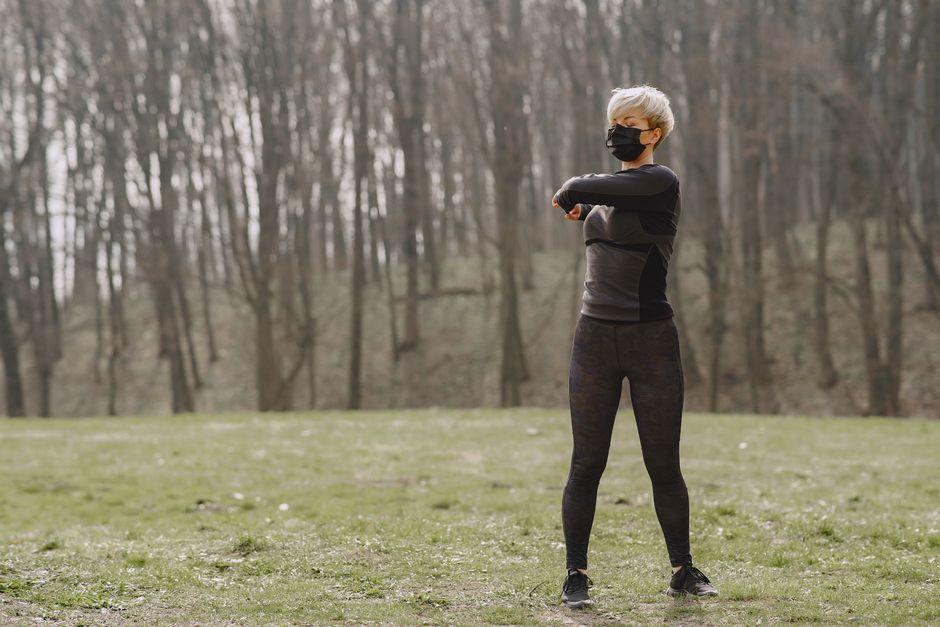
Yes, for most people, it is safe to exercise while taking spironolactone, but you need to take specific precautions. Spironolactone is a diuretic that lowers blood pressure and removes extra fluid, which means your body loses water and sodium more easily during a workout. The main risks are dehydration, low blood pressure, and an electrolyte imbalance, especially if you sweat heavily or exercise in the heat.
What Does Spironolactone Do to Your Body?
Spironolactone is a potassium-sparing diuretic. It tells your kidneys to remove extra water and sodium from your body through urine. Unlike many other water pills, it helps your body hold onto potassium. This is why doctors prescribe it for high blood pressure, heart failure, and fluid retention. It is also used for hormonal acne and polycystic ovary syndrome because it blocks certain hormones.
Because the drug changes how your body manages fluids and minerals, your workout changes too. When you exercise, you sweat out water and sodium. Combined with the effects of the medication, you lose more than you normally would. Your blood pressure may also run lower than usual because there is less fluid in your blood vessels to keep pressure up.
Is It Safe To Exercise While Taking Spironolactone?
The short answer is yes, with the right habits in place. Exercise is generally encouraged for people taking this medication. The concern is not the exercise itself. The concern is how your body handles the combination of the drug and physical stress.
Your heart rate and blood pressure naturally rise during exercise. Spironolactone works to keep blood pressure lower. This combination is usually fine, but it can cause dizziness or lightheadedness when you stand up quickly or push yourself too hard. The bigger risk is dehydration. If you lose too much fluid through sweat and do not replace it, your kidneys have to work harder, and your blood pressure may drop too low.
Most active people manage this safely. The key is to adjust your fluid intake, watch your salt, and listen to your body. If you have heart failure or kidney disease, talk to your doctor before starting a new exercise program. The medication affects your kidneys directly, and your doctor may want to monitor your blood work more closely.
Hydration Guidelines for Exercising on Spironolactone
Staying hydrated is the single most important thing you can do when exercising on this medication. But it is not just about drinking more water. It is about replacing what you actually lose.
When you sweat, you lose water and sodium. Spironolactone already removes sodium from your body. If you drink only plain water during a long or intense workout, you can dilute your blood sodium to a dangerous level. This condition is called hyponatremia. Symptoms include headache, nausea, confusion, and muscle cramps.
For workouts under one hour, plain water is usually enough. For longer sessions or heavy sweating, a sports drink with sodium can help. Some research suggests that adding a small amount of salt to your water is another option, but no specific guidelines exist for people on spironolactone. Start with water for shorter workouts and consider an electrolyte drink for longer sessions.
It is also wise to drink before you feel thirsty. Thirst is a late signal. By the time you feel thirsty, you are already somewhat dehydrated. Sip water throughout the day, not just around your workout.
Signs of Electrolyte Imbalance and Low Blood Pressure
Your body sends clear warning signs when something is off. Learn to recognize them early.
Muscle cramps are often the first sign of low sodium or dehydration. If you get cramps during exercise, stop and hydrate. Dizziness or lightheadedness when standing up can mean your blood pressure dropped. Rapid heartbeat or feeling like your heart is racing may indicate dehydration or an electrolyte problem. Extreme fatigue that feels different from normal workout tiredness is another warning sign.
Because spironolactone spares potassium, your potassium level can get too high. This is more common in people with kidney problems or those taking other medications that raise potassium. High potassium often has no clear symptoms until it becomes serious. This is why regular blood tests are important if you take this medication long-term.
If you feel faint, stop exercising immediately. Sit down, drink fluids, and rest. If symptoms do not improve within 15 to 20 minutes, seek medical attention.
How To Adjust Your Workout Routine
You do not need to stop exercising. You may need to make small changes to how you work out.
Consider the time of day. Exercising in the early morning or evening when it is cooler reduces how much you sweat. Avoid intense outdoor workouts during the hottest part of the day. If you exercise indoors, make sure the space is well-ventilated or air-conditioned.
Shorten intense sessions. A 45-minute high-intensity workout may need to become a 30-minute session. You can also do interval training where you alternate intense effort with active recovery. This gives your body time to adjust.
Weigh yourself before and after exercise. This is a simple way to estimate fluid loss. If you lose more than two percent of your body weight during a workout, you are not drinking enough. For a 150-pound person, that is about three pounds of fluid loss.
Avoid alcohol before or after exercise. Alcohol dehydrates you further and can lower blood pressure even more.
Who Should Be Extra Careful
Some people face higher risks when combining exercise with spironolactone. You should be especially cautious if you have any of the following conditions.
- Kidney disease: Your kidneys already work harder because of the medication. Strenuous exercise adds more strain.
- Heart failure: Your heart has less pumping capacity. Your doctor may recommend a specific exercise plan for your situation.
- Diabetes: Blood sugar changes during exercise can complicate fluid balance.
- Low blood pressure: If your resting blood pressure already runs low, exercise can push it lower.
- Older age: Older adults are more sensitive to dehydration and blood pressure changes.
If you take other blood pressure medications, the combined effect can be stronger. ACE inhibitors, ARBs, and other diuretics all interact with spironolactone. Your doctor should review your full medication list before you start a vigorous exercise program.
Food and Supplement Considerations
What you eat matters as much as what you drink. Spironolactone makes your body hold onto potassium. Eating large amounts of potassium-rich foods can push your level too high.
Foods high in potassium include bananas, oranges, potatoes, tomatoes, avocados, and spinach. You do not need to avoid these foods completely. You should avoid eating them in very large amounts, especially if you also take a potassium supplement.
Check your supplements. Many electrolyte powders and sports drinks contain potassium. Some salt substitutes also replace sodium with potassium. Read labels carefully. Avoid potassium supplements unless your doctor specifically told you to take them.
Salt intake is a balance. Too much salt works against the medication. Too little salt combined with heavy sweating can cause problems. Most people on spironolactone do not need to add extra salt to their diet unless they sweat heavily on a regular basis. If you are an endurance athlete training daily, talk to your doctor about your specific sodium needs.
What To Do If You Miss a Dose
If you miss a dose of spironolactone, do not double up before your workout. Take the missed dose as soon as you remember, unless it is close to your next scheduled dose. In that case, skip the missed dose and return to your normal schedule.
Exercising after a missed dose is generally safe. Your blood pressure may be slightly higher than usual, and your body may hold a bit more fluid. This is not dangerous for most people. Just resume your normal routine and stay hydrated.
Never take an extra dose to make up for a missed one. This can cause a sudden drop in blood pressure or a dangerous spike in potassium.
When To Call Your Doctor
Some situations require medical advice rather than self-management. Contact your doctor if you experience any of the following.
- Fainting or near-fainting during or after exercise
- Chest pain or unusual shortness of breath
- Severe muscle weakness that does not improve with rest
- Irregular heartbeat
- Swelling in your legs or ankles that gets worse
- Unexplained weight gain of more than two pounds in a day
Your doctor may order blood tests to check your potassium and kidney function. These tests are routine for people on spironolactone. The frequency depends on your dose and your overall health. Many doctors check blood work a few weeks after starting the medication and then every few months.
Frequently Asked Questions
Can I drink sports drinks while taking spironolactone?
Yes, for workouts longer than one hour or in hot conditions. Choose a standard sports drink rather than one marketed as high-potassium, and check the label for potassium content.
How much water should I drink when exercising on spironolactone?
Drink about 8 ounces of water every 15 to 20 minutes during exercise. Sip water throughout the day rather than drinking large amounts all at once.
Does spironolactone cause muscle cramps during exercise?
It can contribute to cramps if you become dehydrated or lose too much sodium through sweat. Staying hydrated and replacing electrolytes usually prevents this.
Can I take potassium supplements while on spironolactone?
No. Do not take potassium supplements while taking spironolactone unless your doctor specifically instructed you to do so. The medication already helps your body retain potassium.
