
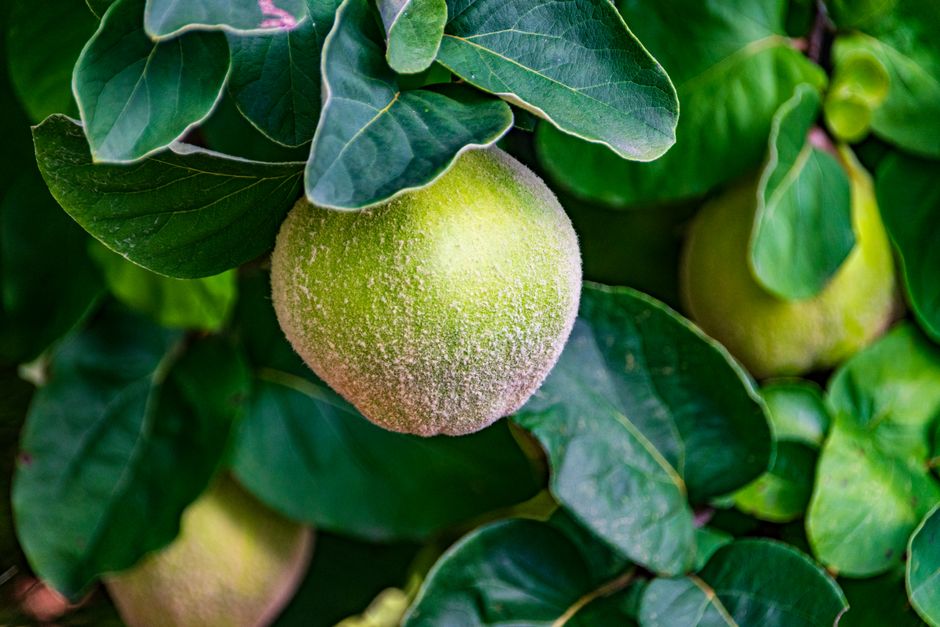
Quince is a hard, tart fruit that tastes unpleasant raw. To enjoy it, you must cook it. The basic steps are: select ripe quince, wash it, peel it, remove the core and seeds, then cook using poaching, baking, or stewing until soft and sweet. Here is a detailed step-by-step guide.
What Is Quince and Why Must You Cook It?
Quince is a yellow fruit that looks like a lumpy pear or apple. It belongs to the same family as apples and pears. Raw quince is dense, dry, and very astringent — it can leave your mouth feeling puckered. This is because raw quince contains high levels of tannins.
Cooking breaks down these tannins and softens the fruit’s tough flesh. Heat also releases natural sugars, turning the sour taste into a sweet, floral flavor. The texture changes from rock‑hard to tender, similar to a baked apple or poached pear. Almost all quince you buy at the market is meant to be cooked.
Some varieties grown in warmer climates are softer and less astringent, but most quince sold in the United States still require cooking. Do not judge quince by its raw taste — once cooked, it becomes a completely different fruit.
How To Eat Quince Fruit: Step-by-Step Preparation
Follow these steps to prepare quince safely and get the best texture and flavor.
Step 1: Select ripe quince. Look for firm yellow quince with a strong fruity smell. Avoid green patches — those are underripe. Soft spots or bruises mean the fruit is past its best. A ripe quince will feel heavy for its size.
Step 2: Wash and scrub the skin. Quince has a thin fuzz on the surface. Rinse the fruit under cool water and rub gently with a kitchen brush or your fingertips to remove the fuzz. The skin is edible after cooking, but many people prefer to peel it because the skin can be tough and slightly bitter.
Step 3: Peel the quince (optional). Use a vegetable peeler or a sharp knife. The peel is thin but tough. If you plan to poach or bake the quince whole, peeling makes the finished dish more pleasant to eat. For jams or stewed quince, you can leave the skin on and strain it later.
Step 4: Cut and core the quince. Quince is very hard — use a sharp chef’s knife. Cut the fruit in half or into quarters. Use a melon baller or a small spoon to remove the core and seeds. The core is tough and inedible. The seeds are not toxic in the small amounts you might accidentally eat, but they contain a compound that can release cyanide if crushed and consumed in large quantities. Remove them to be safe.
Step 5: Prevent browning. Like apples, cut quince turns brown when exposed to air. Rub the cut surfaces with lemon juice or drop the pieces into a bowl of water mixed with lemon juice. This is only cosmetic — browning does not affect safety or flavor.
Step 6: Cook the quince. Choose a method below. Quince needs heat to become edible. Start with the cooking method that fits your recipe.
The Best Cooking Methods for Quince
All cooking methods soften quince and turn it from sour to sweet. The most common methods are poaching, baking, and stewing.
Poaching. Combine water, sugar, and flavorings like vanilla, cinnamon, or star anise. Bring to a simmer. Add peeled and cored quince halves or wedges. Simmer for 30 to 45 minutes until a knife easily pierces the flesh. The liquid will become pink or rose‑colored. Poached quince is tender and great served warm with yogurt or ice cream.
Baking. Preheat oven to 350°F (175°C). Place peeled and cored quince halves in a baking dish. Add a little water, honey, or maple syrup, and some butter if desired. Cover with foil and bake for 40 to 50 minutes. Remove foil for the last 10 minutes to caramelize the tops. Baked quince holds its shape well and develops concentrated sweetness.
Stewing or making compote. Chop quince into chunks, place in a pot with enough water to barely cover, add sugar and spices, and simmer for 30 to 40 minutes. Stir occasionally. The fruit will break down into a chunky sauce. This works well for jams, jellies, or as a topping for oatmeal and pancakes.
Slow cooking. You can also cook quince in a slow cooker on low for 4 to 6 hours. The texture will be very tender, almost like apple butter. This method is good if you want hands‑off preparation.
No matter which method you use, quince is done when it is soft throughout. Test with a fork or knife — it should slide in with little resistance. Undercooked quince is still hard and astringent, so be patient.





How to Serve and Enjoy Cooked Quince
Cooked quince is versatile. Poached quince halves are beautiful served alongside roasted meats such as pork or duck. The sweet‑sour flavor cuts through rich dishes. Baked quince can be eaten plain, topped with whipped cream, or used as a filling for pastries and cakes.
Quince compote or jam makes an excellent spread on toast or stirred into yogurt. In many Middle Eastern and Mediterranean cuisines, quince is used in tagines and stews, adding a subtle floral note. You can also puree cooked quince and use it as a sauce for pancakes, waffles, or cheesecake.
Store leftover cooked quince in a sealed container in the refrigerator for up to five days. The flavor often deepens and becomes even more aromatic after a day. You can also freeze cooked quince for several months in airtight bags or containers.
Common Mistakes When Preparing Quince
Eating it raw. The most common mistake is taking a bite of raw quince. It is not pleasant. Always cook quince before serving.
Not peeling the skin. Some people find the cooked skin tough and chewy. If you are unsure, peel it. For jams and sauces you can leave it on and strain later, but for whole poached or baked quince, peeling is best.
Cutting pieces too large. Large chunks take much longer to soften. Cut quince into uniform pieces about 1 to 1.5 inches thick so they cook evenly.
Undercooking. Quince needs thorough cooking. If you taste a piece and it is still hard or makes your mouth pucker, keep cooking. Test every 10 minutes until tender.
Worrying about toxicity. The seeds contain amygdalin, which can produce small amounts of cyanide when crushed. But accidentally eating one or two seeds will not harm you. Simply remove the core and seeds as part of preparation, and you are safe.
Nutritional Benefits of Quince
Cooked quince provides dietary fiber, vitamin C, and small amounts of copper and potassium. One cup of cooked quince contains roughly 50 to 70 calories, making it a low‑energy dense food. The fiber can support digestion, and the vitamin C content is moderate — about 15 percent of the daily value per serving.
Some animal and test‑tube studies have suggested that quince may have antioxidant and anti‑inflammatory properties. However, human research is limited. The high pectin content makes quince useful for homemade jams and jellies without requiring added pectin.
Quince is not a miracle food, but it is a healthy addition to a balanced diet. The main benefit is its unique flavor and the enjoyment it adds to meals. Do not rely on quince to treat or prevent any disease. Enjoy it as a whole fruit, prepared properly, and it will be a safe and rewarding part of your cooking.
Frequently Asked Questions
Can you eat quince raw?
No. Raw quince is hard, dry, and extremely astringent. It must be cooked to become edible and flavorful.
How long does it take to cook quince?
Most methods take 30 to 50 minutes depending on the size of the pieces and the method. Test with a knife for softness.
Are quince seeds poisonous?
Quince seeds contain a compound that can release cyanide in large amounts, but a few seeds are not dangerous. Remove them during preparation.
What does cooked quince taste like?
Cooked quince has a sweet, floral, and mildly tart flavor similar to a cross between a baked apple and a poached pear, with hints of guava or rose.
