
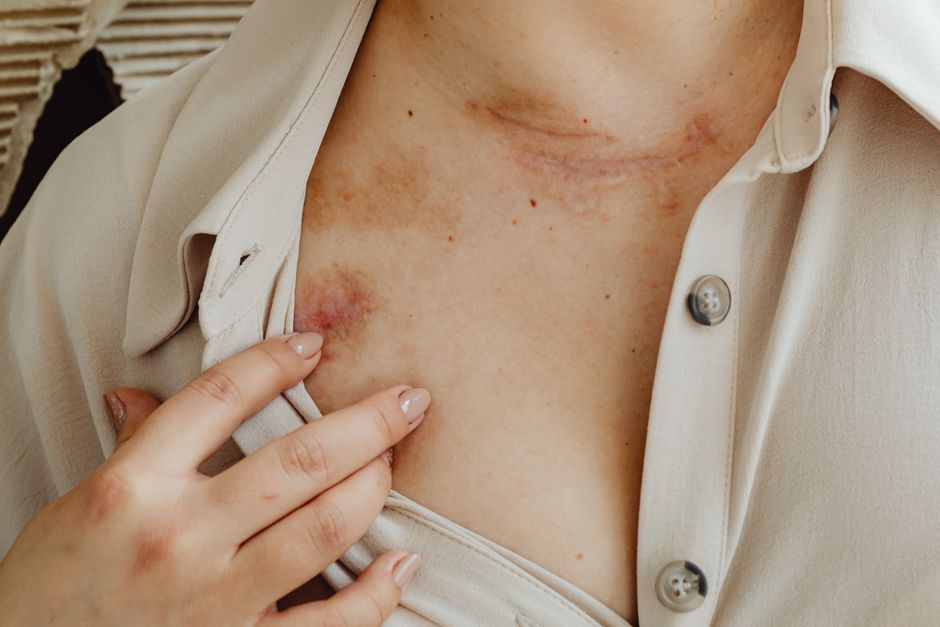
Vitamin E is one of the most popular home remedies for scars and wounds, but the evidence for using it directly on healing skin is surprisingly weak. For most minor cuts and scrapes, the skin does not need extra vitamin E to heal properly. In fact, applying vitamin E oil to a fresh wound can cause skin irritation or contact dermatitis in some people. The real question is not whether vitamin E helps, but when — if ever — it is worth using.
What Does Vitamin E Actually Do in the Body?
Vitamin E is a fat-soluble antioxidant. It protects cell membranes from damage caused by free radicals, which are unstable molecules produced during normal metabolism and inflammation. When tissue is injured, the body sends immune cells to the area, and these cells generate free radicals as part of the healing response. Vitamin E helps neutralize some of that oxidative stress.
That sounds helpful, and it is — internally. The body needs vitamin E from food to support normal immune function and cell health. But getting enough vitamin E through your diet is different from applying it to the surface of a wound. The skin does not absorb vitamin E the way it absorbs moisture or smaller molecules.
Most adults get adequate vitamin E from food alone. Nuts, seeds, spinach, and vegetable oils are reliable sources. True vitamin E deficiency is rare in healthy people and is usually linked to fat malabsorption disorders, not poor diet.
Can Vitamin E Actually Help Wounds Heal Faster?
The direct answer is no — there is no strong clinical evidence that applying vitamin E to a wound speeds up healing. Some older laboratory studies suggested that vitamin E might influence collagen production, which is the protein that gives skin its structure. But laboratory findings do not always translate to real human skin.
Clinical trials on vitamin E for wound healing have produced mixed and mostly unimpressive results. Some studies found no difference in healing time between wounds treated with vitamin E and wounds treated with a plain moisturizer. Others reported that vitamin E made scars look worse, not better.
One well-known issue is contact dermatitis. A significant number of people develop redness, itching, and swelling when they apply vitamin E oil to broken skin. This reaction can delay healing and make the wound look worse than it would have without treatment. If you have sensitive skin or a history of reactions to skincare products, vitamin E oil is probably not worth the risk.
What the Research Says About Vitamin E and Scars
Scar improvement is a different topic from wound healing speed, but the evidence is still weak. Some small studies have suggested that silicone gel sheets and massage are more effective for scar management than vitamin E. Others have found that vitamin E does not significantly improve the appearance of surgical scars.
One of the problems with the existing research is that studies are small and use different formulations, concentrations, and application schedules. It is hard to compare results across studies when the product being tested is not standardized. Some research suggests that vitamin E might help with specific types of scars, but this has not been confirmed in large, well-designed trials.
What most dermatologists agree on is this: if you want to improve a scar, protect it from the sun. Sun exposure darkens scar tissue and makes it more noticeable. Sunscreen with SPF 30 or higher, applied to the healed scar, has stronger evidence behind it than vitamin E oil.





Is It Safe to Put Vitamin E on an Open Wound?
No. You should not apply vitamin E oil, cream, or capsules to an open wound. The skin barrier is broken, and oil-based products can trap bacteria and debris against the tissue. This increases the risk of infection, which is the most common and most serious complication of wound care.
For a fresh cut or scrape, the correct approach is simple: clean the wound gently with water, apply a thin layer of petroleum jelly or an antibiotic ointment if recommended by your doctor, and cover it with a sterile bandage. Keeping the wound moist but not wet is what actually supports faster healing. Petroleum jelly does this well and has decades of clinical use behind it.
If you want to use vitamin E on a wound, wait until the skin has completely closed and the scab has fallen off naturally. At that point, the risk of infection is much lower, and the product is less likely to penetrate deeply into the tissue.
How to Use Vitamin E Safely After a Wound Closes
Once the wound is fully closed, some people choose to try vitamin E for scar appearance. If you go this route, do a patch test first. Apply a small amount to a small area of intact skin, such as the inside of your forearm, and wait 24 to 48 hours. If you see redness, itching, or a rash, do not use it on the scar.
If the patch test is clear, you can apply a small amount of vitamin E oil to the closed scar once or twice daily. Massage it gently into the skin for a few minutes. This massage itself may be the active ingredient in the routine — gentle massage can help break up scar tissue and improve blood flow to the area.
Be patient. Scar remodeling takes months, not days. The final appearance of a scar is usually not visible until six months to a year after the injury. No product, including vitamin E, will produce dramatic changes in a few weeks.
Better Alternatives for Wound Healing and Scar Reduction
If you are looking for evidence-based options, start with silicone gel or silicone sheets. These are the most studied products for scar prevention and improvement. They create a protective barrier over the scar and help maintain hydration, which supports normal skin healing.
- Silicone gel or sheets: Strong clinical evidence for improving scar appearance. Apply after the wound closes.
- Petroleum jelly: Keeps the wound moist during healing, which reduces scabbing and may improve final scar appearance.
- Sunscreen: Protects the scar from UV damage, which can darken and thicken scar tissue.
- Moisturizers with ceramides: Support the skin barrier after the wound closes, especially if the area feels dry or tight.
These options have better evidence than vitamin E for most people. They are also less likely to cause skin irritation.
When to See a Doctor About a Wound
Most minor wounds heal on their own within one to two weeks. But some wounds need medical attention. See a doctor if the wound is deep, gaping, or will not stop bleeding after ten minutes of direct pressure. Also seek care if you notice signs of infection, such as increasing pain, redness spreading from the wound, warmth, pus, or a fever.
People with diabetes, poor circulation, or weakened immune systems should be especially careful. Wounds that do not heal within two weeks in these populations need professional evaluation. The same applies to wounds caused by animal bites or dirty or rusty objects, which may need a tetanus booster or antibiotics.
If you are considering vitamin E for a wound or scar, mention it to your doctor or dermatologist. They can tell you whether it is appropriate for your specific situation and help you choose a product with stronger evidence behind it.
Frequently Asked Questions
Does vitamin E help wounds heal faster?
No clinical evidence shows that applying vitamin E speeds up wound healing. For most minor wounds, keeping the area clean and moist with petroleum jelly is more effective.
Can I put vitamin E oil on an open wound?
No, you should not put vitamin E oil on an open wound. Oil-based products can trap bacteria and increase the risk of infection.
Is vitamin E good for scars?
The evidence is weak and mixed. Some people find it helpful, but studies have not confirmed consistent benefits, and it can cause skin irritation in some users.
What is the best way to reduce a scar?
Silicone gel or sheets have the strongest evidence for improving scar appearance. Sunscreen and gentle massage also help, but results take months.
