
Chia seeds can help with weight loss, but only when you eat them in ways that are backed by evidence. The most effective approach is eating them with meals to increase fullness, not adding them to an already unhealthy diet. Soaking them before eating is important for safety and digestion, and a daily serving of about two tablespoons is the amount used in most research.
Do Chia Seeds Actually Help With Weight Loss?
Research shows chia seeds can support weight loss, but the effect is modest. A few studies have found that people who ate chia seeds daily for several months lost more weight than those who did not. However, the differences were small.
Chia seeds are not a magic food. They will not melt fat or speed up your metabolism in any dramatic way. What they do well is help you feel full. That fullness can lead to eating fewer calories overall, which is what drives weight loss.
The fiber in chia seeds is the main reason they work. One ounce, about two tablespoons, contains roughly 10 grams of fiber. Fiber slows digestion and keeps food in your stomach longer. That physical fullness is what helps you eat less at your next meal.
Why Soaking Chia Seeds Matters for Safe Weight Loss
You should soak chia seeds before eating them. Dry chia seeds absorb liquid and expand in your stomach, which can cause choking or blockages in the esophagus. This is a real risk, not a theoretical one. There are documented cases of people needing medical attention after eating dry chia seeds.
Soaking is simple. Mix one part chia seeds with at least four parts liquid. Let them sit for 10 to 15 minutes. The seeds form a gel-like texture. This is how most research studies prepare chia seeds before giving them to participants.
The gel that forms when chia seeds are soaked is also what makes them filling. The seeds absorb many times their weight in water. That gel takes up space in your stomach and slows how quickly food moves through your digestive tract.
How to Eat Chia Seeds for Weight Loss: Practical Ways
There are several evidence-based ways to include chia seeds in your daily routine. The key is to use them as a replacement for higher-calorie ingredients, not as an addition to your regular food.
- Chia pudding for breakfast. Mix two tablespoons of chia seeds with half a cup of milk or a milk alternative. Add a small amount of fruit or cinnamon for flavor. Let it sit overnight. This replaces a typical breakfast that might have more calories and less fiber.
- Chia in water or lemon water. Stir a tablespoon of chia seeds into a glass of water and drink it about 30 minutes before a meal. Some studies suggest this can reduce how much you eat at that meal.
- Add to yogurt. Sprinkle soaked chia seeds over plain yogurt instead of granola or sweet toppings. You keep the creaminess but add fiber and protein without the added sugar.
- Use as an egg replacement in baking. Mix one tablespoon of chia seeds with three tablespoons of water to replace one egg in baked goods. This lowers the calorie and fat content of what you bake.
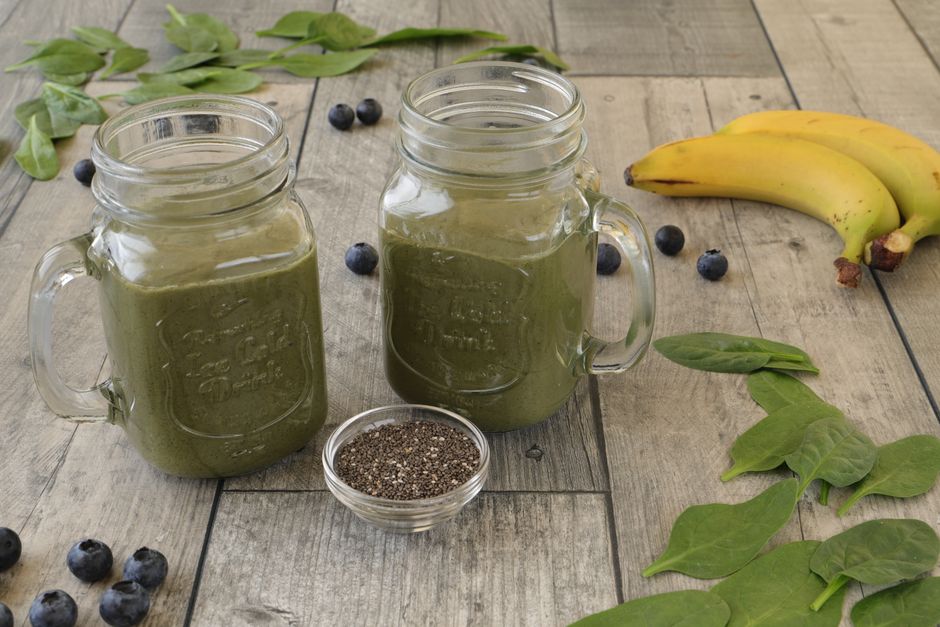
- Add to smoothies. Blend a tablespoon of chia seeds into a smoothie. The fiber will make the smoothie more filling, but be aware it also thickens the texture.
The most important principle is substitution. If you add chia seeds to your existing meals without removing anything, you add calories. Weight loss only happens when total calorie intake drops. Chia seeds help with that by making you feel full sooner, but you still have to eat less overall.




How Much Chia Seeds Should You Eat Per Day?
Two tablespoons, about one ounce, is the serving size used in most research on chia seeds and weight loss. This amount provides about 140 calories, 5 grams of protein, and 10 grams of fiber. That fiber is roughly 40 percent of the daily recommended intake for most adults.
Start with a smaller amount if you are not used to eating high-fiber foods. One teaspoon daily for a few days allows your digestive system to adjust. Then gradually increase to one tablespoon, then two.
Drinking plenty of water is essential when increasing fiber intake. Fiber needs water to move through your digestive system. Without enough water, you may experience constipation, bloating, or abdominal discomfort.
There is no clinical guideline that sets a maximum safe dose of chia seeds. However, eating very large amounts can cause digestive distress and may interfere with the absorption of certain medications. If you take medication, talk to your doctor before making chia seeds a daily habit.
What the Research Really Says About Chia Seeds and Weight
Some studies suggest chia seeds can help with appetite control. One study found that adding chia seeds to bread reduced appetite in the hours after eating. Participants reported feeling fuller and ate less at their next meal.
Longer-term studies show more modest results. A study that followed overweight adults for several months found that those who ate chia seeds daily lost some weight, but the amount was not significantly greater than the control group. This is an honest summary of the evidence: chia seeds help some people eat less, but they are not a reliable weight loss tool on their own.
The scientific consensus is that chia seeds are a healthy food. They provide fiber, protein, and omega-3 fatty acids. They are a good addition to a balanced diet. But no study has shown that chia seeds cause meaningful weight loss without other dietary changes.
Be cautious with marketing claims. Products that promise rapid weight loss from chia seeds are not supported by evidence. Chia seeds work slowly and subtly, by helping you feel full so you naturally eat less. That is the mechanism. There is no shortcut around it.
Potential Side Effects and Who Should Be Careful
Chia seeds are safe for most people when eaten in normal food amounts. The main side effects are digestive. Bloating, gas, and constipation can occur if you increase fiber too quickly or do not drink enough water.
People with certain medical conditions should be more careful. If you have difficulty swallowing or a history of esophageal stricture, do not eat dry chia seeds. Always soak them thoroughly first.
Chia seeds can lower blood pressure in some people. If you take blood pressure medication, monitor your levels and talk to your doctor. The effect is usually small, but it can add to the effect of your medication.
People with diabetes who take medication should also be aware. The fiber in chia seeds can slow sugar absorption, which may change how your medication works. Monitoring your blood sugar is the safest approach.
Pregnant and breastfeeding women can eat chia seeds as part of a normal diet. No clinical guidelines currently exist specifically for chia seed intake during pregnancy. The standard two-tablespoon serving is generally considered safe, but it is always wise to discuss dietary changes with your obstetrician.
Common Mistakes That Sabotage Chia Seed Weight Loss
The biggest mistake is adding chia seeds to a diet that is already high in calories. A chia pudding made with full-fat coconut milk, honey, and chocolate chips is not a weight loss food. It is a dessert with chia seeds in it.
Another mistake is eating dry chia seeds. This is not just uncomfortable, it is dangerous. The seeds expand in your esophagus and can cause a blockage that requires emergency medical treatment.
Some people expect results within days. Weight loss from chia seeds, if it happens at all, takes weeks and months. It works by helping you eat slightly less at each meal. That slow, steady reduction is what leads to weight loss over time.
Relying on chia seeds while ignoring other factors also fails. Sleep, stress, physical activity, and overall diet quality all matter more than any single food. Chia seeds are a tool, not a solution.
How to Build a Sustainable Chia Seed Habit
Consistency matters more than intensity. Choose one way to eat chia seeds that fits your routine and do it daily. The overnight pudding is the easiest for most people because it requires no morning preparation.
Prepare several servings at once. Chia pudding keeps in the refrigerator for up to five days in a sealed container. Making a batch on Sunday covers your weekday breakfasts.
Rotate flavors to avoid boredom. Vanilla, cinnamon, cocoa powder, or fresh berries all work well. The chia seeds themselves have almost no flavor, so the pudding tastes like whatever you add to it.
Track your portion. It is easy to overdo it when a food feels healthy. Two tablespoons is the portion used in research. Stick to that amount and you avoid excess calories while still getting the fiber benefit.
Weight loss is a long-term process. Chia seeds can be part of that process, but they are not the answer by themselves. A sustainable eating pattern that you can maintain for years is what actually leads to lasting weight loss.
Frequently Asked Questions
Can I eat chia seeds dry for weight loss?
No, you should not eat chia seeds dry because they expand in your throat and can cause choking. Always soak them in liquid for at least 10 to 15 minutes before eating.
What is the best time to eat chia seeds for weight loss?
Eating chia seeds about 30 minutes before a meal can help reduce how much you eat at that meal. A morning chia pudding also works well because it keeps you full through the morning.
How much weight can I lose eating chia seeds daily?
Research shows modest weight loss over several months, but the amount varies by person. Chia seeds help you feel full so you eat less, but they do not cause significant weight loss on their own.
Do I need to soak chia seeds overnight?
No, 10 to 15 minutes is enough time for the seeds to absorb liquid and form a gel. Overnight soaking is convenient but not necessary.
