
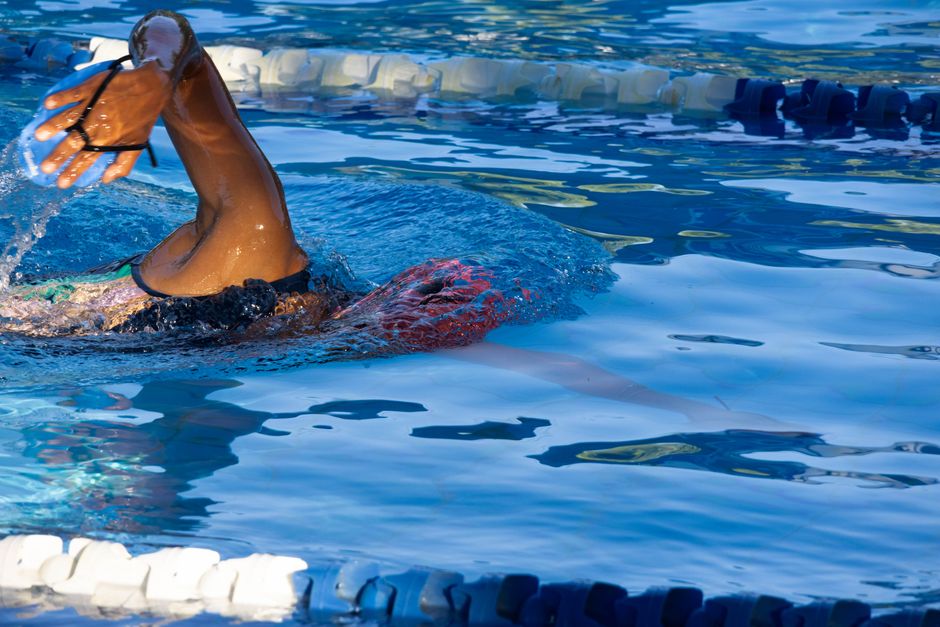
Swimmer’s ear — the medical term is otitis externa — hurts more than most people expect. The pain comes from inflammation in the ear canal, a thin tube of skin stretched tight over cartilage, so swelling there gets painful fast. Ear drops are the standard treatment for most cases, and heat applied to the outside of the ear can take the edge off the ache while the drops do their work. Drops treat the cause. Heat only manages the symptom.
What Is Swimmer’s Ear and Why Does It Hurt So Much?
Swimmer’s ear is an infection or inflammation of the outer ear canal — the passage from the opening of the ear to the eardrum. It is different from a middle ear infection, which happens behind the eardrum and is far more common in young children.
The canal is lined with thin skin that sits directly on bone and cartilage. There is almost no room for swelling. When bacteria or fungi multiply in that canal, the tissue puffs up against unyielding walls, and every movement of the jaw — talking, chewing, yawning — tugs on the inflamed skin. That is why swimmer’s ear can hurt when you chew, and why even light pressure on the outer ear or pulling the earlobe becomes painful.
Moisture is the main setup. Water trapped in the canal after swimming, showering, or time in a hot tub softens the skin and dilutes the thin layer of protective earwax. Once that barrier is compromised, bacteria that normally live harmlessly on skin can overgrow. Scratching the canal with a cotton swab, fingernail, or earbud can create small breaks in the skin that let organisms get deeper.
Some people get swimmer’s ear without ever swimming. Humid climates, heavy sweating, hearing aids, and aggressive cleaning of the ears can all trap moisture or irritate the canal.
What Are the Symptoms of Swimmer’s Ear?
The hallmark is pain that gets worse when you pull on the earlobe or press on the small flap of cartilage in front of the ear canal. Clinicians call this tenderness on manipulation, and it is one of the most reliable signs that the problem is in the outer canal rather than the middle ear.
Other common symptoms include:
- Itching inside the ear, often the first sign
- Redness or swelling of the ear canal skin
- Clear, cloudy, or pus-like fluid draining from the ear
- A feeling of fullness or blockage
- Muffled hearing on the affected side
- Pain that worsens when chewing or opening the mouth wide
Fever is not typical in mild cases. When fever, severe pain, or pain that spreads to the face or neck appears, the infection may be more serious and needs prompt medical evaluation.
How Do Ear Drops Treat Swimmer’s Ear?
Prescription ear drops are the first-line treatment for most cases of swimmer’s ear in otherwise healthy people. The two main categories are antibiotic drops, which kill bacteria, and acidifying drops, which restore the canal’s normally acidic environment and make it harder for bacteria and fungi to grow.
Many prescription drops combine both approaches. Some also contain a steroid to reduce swelling, which can help with pain and congestion in the canal. Whether the steroid adds meaningful benefit beyond the antibiotic alone is debated — some studies suggest faster symptom relief, others show little difference. This is why clinicians choose formulations case by case rather than following one universal recipe.
A few practical points matter for drops to work:
- The canal needs to be cleaned of debris first, so the drops can reach the infected skin. A clinician usually does this.
- Warm the bottle in your hand for a minute before use. Cold drops against inflamed skin hurt.
- Lie on your side with the affected ear up. Pull the outer ear gently back and up to straighten the canal. Put in the prescribed number of drops.
- Stay in that position for a few minutes so the drops spread. Gentle pumping of the tragus — the small flap in front of the canal — can help move the liquid down.
- Finish the full course even if it feels better in a day or two.
If the eardrum might be perforated, some drops are unsafe because they can enter the middle ear and cause damage. This is why a clinician should look at the ear before recommending drops, and why you should not use leftover drops from a previous episode without that check.





Does Heat Help Swimmer’s Ear Pain?
Yes — heat helps with the pain, but not with the infection. Applying a warm compress to the outside of the ear can relax tense tissue, improve blood flow to the area, and quiet some of the pain signals. It is one of the simplest comfort measures available and does not interfere with drops.
How to do it safely:
- Use a warm — not hot — washcloth, heating pad on a low setting, or a sock filled with dry rice and microwaved briefly.
- Wrap the heat source in a thin towel so it does not burn the skin.
- Hold it against the outer ear for 10 to 15 minutes at a time.
- Never put anything warm inside the ear canal. Heat belongs on the outside only.
Some people find cold works better than heat, especially in the first day or two when swelling is intense. Cold numbs the area and reduces swelling; heat relaxes and soothes. Neither is proven superior in studies, so use whichever feels better. Do not apply ice directly to skin — wrap it first.
Heat and cold are comfort tools. They do not kill bacteria, and they will not shorten the infection. If pain is not improving within a day or two of starting drops, that is a signal to check back with a clinician rather than to apply more heat.
What About Over-the-Counter Pain Relievers?
Nonsteroidal anti-inflammatory drugs such as ibuprofen, and acetaminophen, are commonly used for the pain of swimmer’s ear. They reduce pain and, in the case of NSAIDs, inflammation. Follow the label directions and check with a pharmacist or clinician if you take other medications, have kidney or liver conditions, or are pregnant.
Do not put aspirin or any crushed tablet directly into the ear canal. That is an old remedy that can irritate or damage the skin.
The pain of uncomplicated swimmer’s ear usually improves noticeably within a day or two of starting appropriate drops. Severe pain that does not respond to drops and over-the-counter pain relief within that window needs medical re-evaluation.
What Should You Avoid Doing?
Several common habits make swimmer’s ear worse or slow recovery:
- Do not use cotton swabs. They push debris deeper, scratch the canal, and remove the wax that protects the skin.
- Do not scratch or dig at the itch. Fingernails and hairpins introduce bacteria and create new breaks in the skin.
- Do not swim or soak the ear until the infection has cleared. If you must shower, gently plug the outer ear with a cotton ball coated in petroleum jelly, then remove it afterward.
- Do not use homemade drops made from vinegar, alcohol, garlic, olive oil, or hydrogen peroxide unless a clinician specifically recommends them. Some of these can irritate already inflamed skin or, if the eardrum is perforated, cause harm.
- Do not ignore worsening symptoms. Increasing pain, swelling that spreads to the face, or fever are reasons to seek care promptly.
How Can You Prevent Swimmer’s Ear From Coming Back?
Prevention focuses on keeping the ear canal dry and the skin intact.
After swimming or showering, tilt your head to each side and gently pull the earlobe to help water drain. Towel-dry the outer ear only. A hair dryer on the lowest heat and lowest fan setting, held a foot away from the ear, can help evaporate lingering moisture.
Some clinicians recommend alcohol-based or acidifying ear drops after swimming for people who get swimmer’s ear repeatedly. The evidence for prevention drops is reasonable but not airtight, and these products should not be used if the eardrum may be perforated or if the ear is currently infected and painful. Ask a clinician whether they make sense for you.
Earplugs and swim caps can reduce water exposure. Custom-fitted plugs tend to seal better than generic ones. If you wear hearing aids, take them out when your ears feel damp and let the canals dry.
People with diabetes, weakened immune systems, or a history of ear surgery are at higher risk of more serious infections and should seek care early rather than trying home measures first.
Frequently Asked Questions
How long does swimmer’s ear take to heal?
With appropriate prescription drops, most uncomplicated cases improve within a few days and resolve within about a week to ten days. Severe cases, or those in people with diabetes or weakened immunity, can take longer and need closer medical follow-up.
Should I use heat or cold for swimmer’s ear pain?
Either can help — heat relaxes and soothes, while cold numbs and reduces swelling, especially early on. Use whichever feels better, apply it to the outside of the ear only, and never put anything warm or cold inside the canal.
Can I treat swimmer’s ear without seeing a doctor?
Mild itching without significant pain sometimes settles on its own with keeping the ear dry. Once there is real pain, drainage, or hearing changes, prescription drops are usually needed, and a clinician should look at the ear to rule out a perforated eardrum before any drops go in.
Can I swim while treating swimmer’s ear?
No — keep the ear dry until the infection has fully cleared. Water reintroduces moisture and bacteria, and can wash out the medication before it has done its job.
