
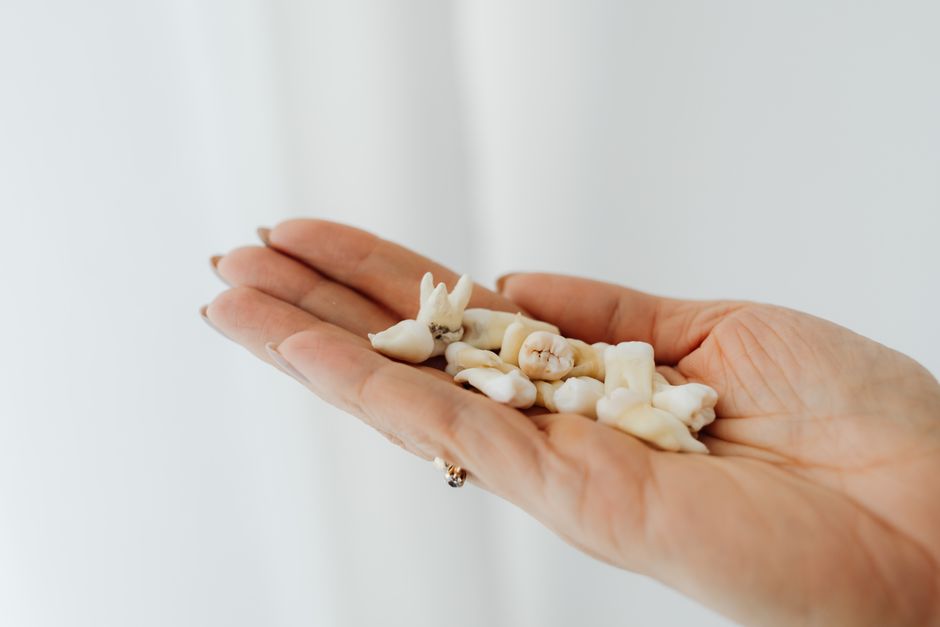
Wisdom teeth pain usually comes from a tooth pushing through gum tissue that has not opened enough to let it pass. The most reliable relief combines an over-the-counter pain reliever, a cold compress, and soft foods while you arrange a dental visit. Warm saltwater rinses can help keep the area clean. No home remedy removes the tooth or fixes an impacted one, so pain that lasts more than a few days needs a dentist’s eyes.
What Causes Wisdom Teeth Pain?
Wisdom teeth are the third and last set of molars. They typically emerge between the ages of 17 and 25, though the timing varies widely and some people never develop them at all.
Pain happens for a few distinct reasons, and the reason matters because it changes what helps.
- Eruption pain. The tooth is moving through bone and gum. This causes a dull ache and pressure, similar to what children feel when other teeth come in.
- Pericoronitis. A flap of gum, called an operculum, sits partly over a tooth that has broken through only partway. Food and bacteria get trapped under that flap. The gum becomes swollen, tender, and sometimes infected. This is one of the most common reasons for sudden, severe wisdom tooth pain in adults.
- Impaction. The tooth has no clear path to erupt. It may grow sideways, tilt toward the neighboring molar, or stay fully buried in the jaw. Impacted teeth can push on adjacent teeth and cause pressure or pain.
- Crowding. A wisdom tooth pressing against the molar in front of it can create a persistent ache.
- Tooth decay or gum disease. Wisdom teeth sit far back in the mouth, which makes them hard to brush and floss well. Cavities and gum inflammation are common in this area.
Pericoronitis deserves special attention because it can escalate. Swelling that spreads to the cheek, jaw stiffness, difficulty swallowing, fever, or a bad taste in the mouth all point toward infection that needs prompt dental care. In rare cases, swelling in this region can compromise the airway. Those symptoms are not a wait-and-see situation.
How To Treat Wisdom Teeth Pain At Home
Home care can manage discomfort and reduce the chance of infection while you wait for a dental appointment. It cannot treat an impacted tooth or resolve an infection on its own.
Over-the-counter pain relievers. Nonsteroidal anti-inflammatory drugs (NSAIDs) such as ibuprofen reduce both pain and inflammation, which makes them a reasonable first choice for many adults. Acetaminophen relieves pain but does not reduce swelling. Follow the label directions exactly. If you have stomach problems, kidney disease, heart disease, take blood thinners, or are pregnant, check with a clinician or pharmacist before using an NSAID. Do not exceed the labeled dose of either medication, and do not combine products that contain the same active ingredient.
Cold compress. Apply a cold pack wrapped in a cloth to the outside of the cheek for short intervals. Cold narrows blood vessels and reduces swelling. This works best in the first day or two when inflammation is the main problem.
Warm saltwater rinse. Dissolve about half a teaspoon of salt in a glass of warm water and rinse gently several times a day. This helps clear debris from around a partially erupted tooth. Use warm, not hot, water. Rinse gently rather than vigorously, since forceful swishing can irritate inflamed gum tissue.
Soft, cool foods. Yogurt, applesauce, mashed potatoes, scrambled eggs, and smoothies are easier to manage than crunchy or chewy foods. Avoid very hot, spicy, or acidic foods while the gum is raw. Skip hard chips and nuts that can lodge under the gum flap.
Good oral hygiene. Keep brushing, but be gentle around the sore area. A soft-bristled brush helps. Some dentists suggest a syringe with warm water to flush under the gum flap, but ask your dentist before trying this, since technique matters.
Sleep with your head elevated. Propping up on an extra pillow can reduce throbbing at night, since lying flat increases blood flow to the head.
What Not To Do When Your Wisdom Tooth Hurts
Several popular home remedies either do not work or can cause harm.
Do not place aspirin directly on the gum. This is a common folk remedy, and it can burn the gum tissue and create a chemical ulcer. Aspirin works when swallowed, not when held against the gum.
Do not apply heat to the outside of the face. A heating pad or hot water bottle may feel soothing, but heat increases blood flow and can make swelling worse. Save heat for muscle aches, not dental swelling.
Do not use clove oil undiluted. Clove oil contains eugenol, which has a mild numbing effect, and some people find it helps. But it is caustic in concentrated form and can irritate or damage gum tissue. If you try it, dilute it with a carrier oil and use a small amount. The evidence for clove oil in dental pain is limited, and it should never replace a dental visit.
Do not ignore worsening symptoms. Pain that increases instead of easing, swelling that spreads, a fever, or trouble opening your mouth all suggest infection. Antibiotics may be needed, and only a clinician can prescribe them.
Do not assume a course of antibiotics fixes the problem. Antibiotics can calm an infection, but if the underlying issue is a partially erupted or impacted tooth, the problem tends to return until the tooth is treated or removed.





When Should You See A Dentist?
See a dentist if pain lasts more than a few days, keeps you awake, or comes with swelling, fever, or jaw stiffness. Those signs point to something that home care cannot resolve.
A dentist will examine the area and typically take an X-ray. X-rays show whether a tooth is impacted, how it is angled, and how close it sits to nerves and neighboring teeth. That image drives the treatment decision.
For mild pericoronitis, a dentist may clean under the gum flap and prescribe a rinse or antibiotics. If the tooth is impacted, causing repeated infections, damaging the adjacent molar, or producing decay that cannot be repaired, removal is often recommended.
Not every wisdom tooth needs to come out. A wisdom tooth that has erupted fully, sits in a healthy position, can be cleaned, and causes no symptoms may be left alone. This is a judgment a dentist makes case by case, and it is reasonable to ask why removal is or is not being recommended.
What To Expect If You Have A Wisdom Tooth Removed
Removal is a common procedure, and most people recover within a week or so, though timelines vary and some extractions are more involved than others.
Simple extractions, where the tooth has fully erupted, are usually quicker and easier to recover from. Surgical extractions, where the tooth is impacted or buried in bone, involve more healing time and more swelling. Your dentist or oral surgeon will explain which applies to you.
After surgery, the standard aftercare advice is to:
- Bite gently on the gauze placed over the site to control bleeding.
- Apply cold compresses for the first day to limit swelling.
- Take pain medication as directed.
- Eat soft, cool foods and drink plenty of fluids.
- Avoid straws, smoking, and vigorous rinsing for the first few days, since suction and pressure can dislodge the blood clot that protects the healing socket.
- Keep the area clean as your dentist instructs, usually starting gentle saltwater rinses after the first day.
Call your dentist if you have heavy bleeding that will not stop, severe pain that worsens after a few days instead of improving, a fever, or numbness that does not go away. Worsening pain a few days after extraction can signal a dry socket, where the protective clot is lost. That is treatable, but it needs a dental visit.
Can You Prevent Wisdom Teeth Problems?
You cannot stop a wisdom tooth from becoming impacted. That is determined by the size of your jaw and how the tooth develops, and it is not something you control.
What you can do is reduce the risk of the problems that make wisdom teeth painful. Regular dental checkups let a dentist track wisdom teeth as they develop, often before symptoms start. Good brushing and flossing, especially reaching the back of the mouth, lower the risk of decay and gum inflammation around these hard-to-reach teeth. If a dentist has flagged a wisdom tooth as a watch item, keep those appointments rather than waiting for pain to bring you in.
Routine removal of wisdom teeth with no symptoms is debated. Some clinicians recommend removing them early to prevent future problems, while others argue that many symptom-free wisdom teeth never cause trouble. The evidence does not point to one clear answer for everyone. This is a decision to make with your dentist based on your specific X-rays and symptoms.
Frequently Asked Questions
How long does wisdom teeth pain usually last?
Eruption pain often eases within a few days to a couple of weeks as the tooth moves through the gum. Pain that lasts longer or gets worse may point to infection or impaction and needs a dental exam.
What is the fastest way to relieve wisdom tooth pain?
An over-the-counter NSAID such as ibuprofen plus a cold compress is the most reliable combination for short-term relief. If pain is severe or comes with swelling or fever, see a dentist rather than relying on home care.
Can I treat wisdom tooth pain without removing the tooth?
Sometimes. A fully erupted, healthy wisdom tooth that causes only mild, temporary discomfort may not need removal. Impacted teeth or ones causing repeated infections usually do.
Is it safe to put aspirin directly on the gum?
No. Holding aspirin against the gum can burn the tissue and cause an ulcer. Swallow it as directed on the label instead, or use a rinse recommended by your dentist.
