
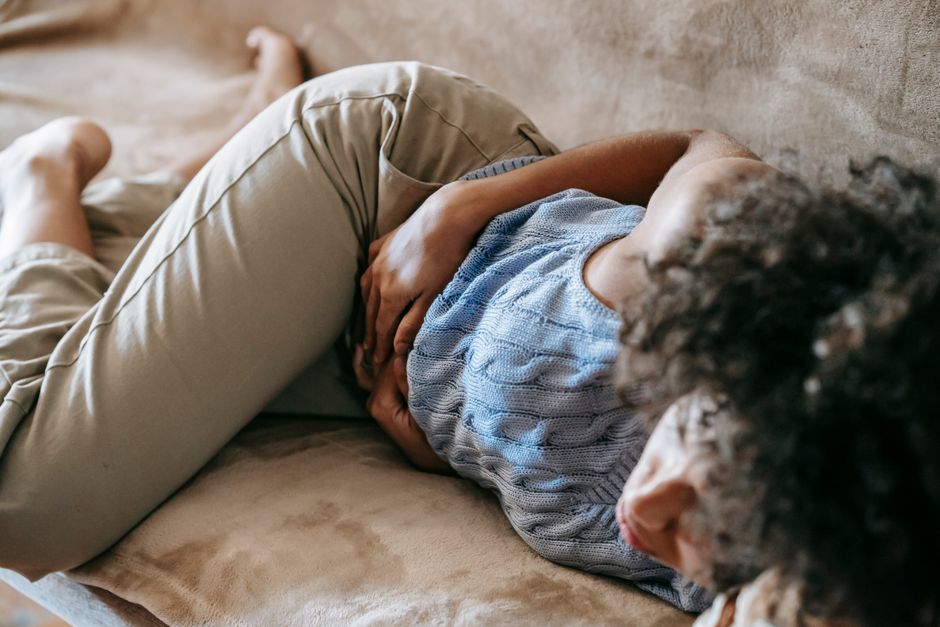
Period cramps and muscle cramps are different problems, but the same basic tools help both: heat, gentle movement, magnesium and hydration for muscles, and anti-inflammatory pain relievers for period pain. Period cramps come from the uterus contracting, and muscle cramps come from a muscle firing when it shouldn’t. That difference matters for which remedy you reach for first.
Why Do Period Cramps Happen?
Menstrual cramps are caused by prostaglandins. These are hormone-like chemicals the uterus releases during menstruation. Higher prostaglandin levels make the uterine muscle contract harder, which temporarily reduces blood flow to the muscle tissue. That brief loss of blood flow is what produces the cramping ache.
This is why period pain often starts on the first day of bleeding and eases within a day or two for many people. Prostaglandin levels are highest at the start of menstruation. Conditions like endometriosis or uterine fibroids can make cramps more severe, and pain that doesn’t respond to standard measures deserves a medical conversation.
How To Ease Cramps Period And Muscle Relief Tips
Heat is the most reliable non-drug option for period cramps. A heating pad or warm bath on the lower abdomen relaxes the uterine muscle and increases blood flow to the area. Research on continuous low-level heat has found it reduces menstrual pain compared with no treatment. Heat works for muscle cramps too, because warmth helps a tight muscle relax.
For muscle cramps specifically, the evidence points to a few practical steps:
- Stretch the cramped muscle gently and hold the stretch until the contraction eases.
- Stay hydrated. Dehydration is a common trigger, especially with exercise or hot weather.
- Replace electrolytes lost through sweat, particularly sodium and potassium.
- Warm the area with a heating pad or warm shower.
For period cramps, the strongest evidence supports heat and nonsteroidal anti-inflammatory drugs (NSAIDs) like ibuprofen. NSAIDs work by blocking prostaglandin production, which addresses the underlying cause rather than just the sensation. Taken at the first sign of cramping, they tend to work better than waiting until pain peaks.
If you use NSAIDs, follow the label directions and check with a pharmacist or clinician first if you have stomach ulcers, kidney problems, or take blood thinners. This is standard guidance, not a personal recommendation.
Does Magnesium Help With Cramps?
Magnesium’s role in muscle cramps is more debated than most people assume. Some studies suggest magnesium may help with cramps related to pregnancy or certain medical conditions. For exercise-associated muscle cramps in healthy adults, the evidence is mixed, and several trials have not found a clear benefit.
Magnesium does play a real role in muscle contraction and relaxation at the cellular level. Low magnesium can cause muscle twitching and cramping. But a normal diet usually provides enough, and supplementing beyond that has not been consistently shown to prevent cramps in healthy people.
Food sources include leafy greens, nuts, seeds, beans, and whole grains. If you’re considering a supplement, talk to a clinician first. High doses can cause digestive upset and, in people with kidney problems, can be unsafe.



What About Stretching and Exercise?
Light movement often helps period cramps. Walking, gentle yoga, or stretching increases blood flow and can ease the ache. This is widely recommended in clinical practice, though the trial evidence for exercise specifically reducing menstrual pain is modest rather than overwhelming.
For muscle cramps, stretching the affected muscle is a first-line response during a cramp. Whether regular stretching prevents cramps is less clear. Some athletes find it helps; the research is not consistent. A regular stretching routine is reasonable for general flexibility regardless.
Can Diet and Hydration Reduce Cramps?
Hydration matters for muscle function. When you sweat, you lose water and electrolytes, and that can set up a muscle cramp. Drinking water throughout the day and replacing electrolytes during heavy sweating is sensible and well supported.
For period cramps, there is no single food that reliably prevents them. Some evidence suggests omega-3 fatty acids may modestly reduce menstrual pain, but the studies are small and results vary. Cutting back on salt, caffeine, and alcohol is often suggested, though the evidence linking these to cramp severity is limited.
One non-obvious point: muscle cramps are not always about dehydration. Nerve-related cramps, medication side effects, and circulation problems can all cause them. If cramps are frequent, severe, or come with other symptoms, that pattern deserves medical attention rather than more electrolytes.
When Should You See a Doctor About Cramps?
Most period and muscle cramps are manageable at home. Some patterns need a clinician’s eye.
For period pain, see a doctor if:
- Pain is severe enough to disrupt work, school, or sleep despite home measures.
- Pain is getting worse over time or starts later in life.
- You have heavy bleeding, bleeding between periods, or pain during sex.
- Over-the-counter pain relievers no longer help.
These can be signs of conditions like endometriosis, fibroids, or pelvic inflammatory disease. None of these can be diagnosed from symptoms alone, so a proper evaluation matters.
For muscle cramps, see a doctor if cramps are frequent, occur at rest, cause significant pain, or come with muscle weakness, numbness, or swelling. Certain medications, thyroid problems, and nerve conditions can cause recurrent cramps.
Which Remedies Have the Strongest Evidence?
Heat and NSAIDs have the strongest evidence for period cramps. Both address the prostaglandin-driven mechanism directly or indirectly, and both are widely used in clinical practice.
For muscle cramps, stretching during a cramp and addressing hydration and electrolytes are the most supported steps. Magnesium and other supplements have weaker and more mixed evidence for exercise-related cramps in healthy adults.
Other approaches, like acupuncture, TENS units, and herbal remedies, have some supportive studies for menstrual pain but the evidence is not as consistent. They may be worth discussing with a clinician as add-ons rather than replacements for proven measures.
Frequently Asked Questions
What is the fastest way to ease period cramps?
Applying heat to the lower abdomen and taking an NSAID like ibuprofen at the first sign of cramping are the fastest evidence-supported options. Heat relaxes the uterine muscle, and NSAIDs reduce the prostaglandins that drive the contractions.
Does magnesium really help with muscle cramps?
The evidence is mixed. Some studies suggest magnesium helps cramps tied to pregnancy or certain conditions, but trials in healthy adults with exercise-related cramps have not consistently shown a benefit.
Should I stretch during a muscle cramp?
Yes. Gently stretching the cramped muscle and holding it until the contraction eases is a standard first response. Stop if the stretch causes sharp pain.
When should cramps be checked by a doctor?
See a clinician if period pain is severe despite home treatment, is getting worse over time, or comes with heavy bleeding. For muscle cramps, seek care if they are frequent, occur at rest, or come with weakness or swelling.
