
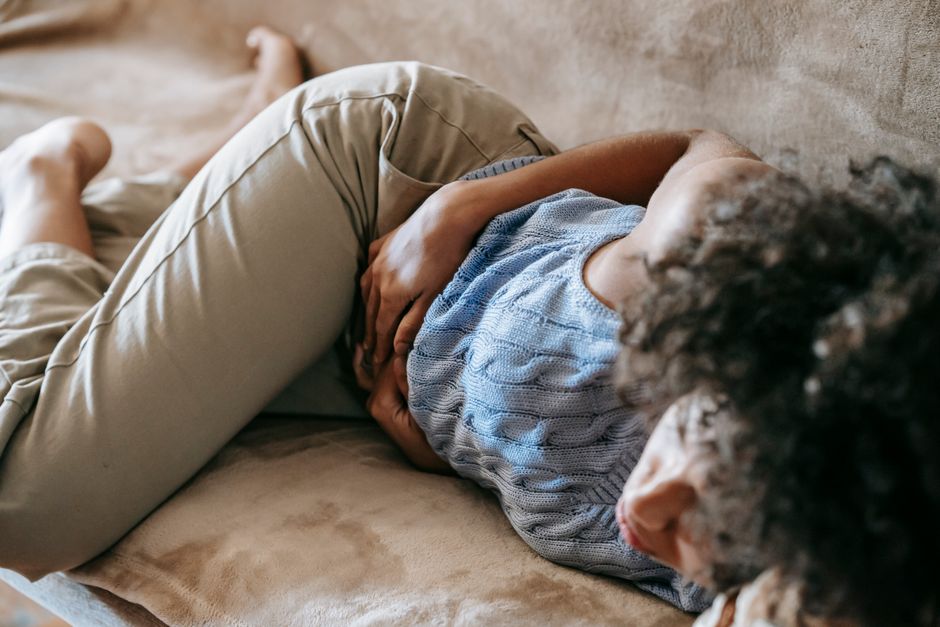
Period cramps happen when the muscular wall of the uterus contracts, and the most reliable relief comes from a small set of approaches: heat, anti-inflammatory pain relievers taken early, gentle movement, and enough sleep and hydration. No single tip works for everyone, but these have the strongest evidence behind them. Below is what actually helps, what the research says, and when cramp pain deserves a medical visit.
What Actually Causes Period Cramps?
Cramps are caused by prostaglandins, chemicals the body releases from the uterine lining just before and during a period. Higher prostaglandin levels trigger stronger uterine contractions, and those contractions briefly reduce blood flow to the muscle. That reduced flow is what produces the ache and pressure many people feel in the lower belly, back, and upper thighs.
This is a normal physiological process, not a sign something is wrong. It explains why cramps tend to peak on the first day or two of bleeding, when prostaglandin release is highest, and ease as the period continues.
There is a useful distinction here that often gets missed. Primary dysmenorrhea is period pain without an underlying pelvic condition. Secondary dysmenorrhea is pain caused by something else, such as endometriosis, uterine fibroids, or pelvic inflammatory disease. The relief tips below are aimed mainly at primary cramps. Pain that is new, worsening, or not responding to standard measures may point to the second type and warrants a medical evaluation.
Does Heat Really Help Period Cramps?
Yes. Heat is one of the best-supported non-drug options for period pain. Applying a heating pad or warm compress to the lower abdomen relaxes the uterine muscle and improves local blood flow, which eases the cramping.
Some studies suggest continuous low-level heat can reduce cramp pain about as well as over-the-counter pain relievers for some people. The effect is not identical for everyone, and heat is often most useful alongside, not instead of, medication when pain is significant.
Practical points: a standard heating pad set to a comfortable warmth, applied for as long as it feels soothing, is reasonable. Always place a cloth between the pad and skin, avoid falling asleep on a heating pad, and never use one over skin that is numb or has reduced sensation. A warm bath or a hot water bottle works on the same principle.
Which Pain Relievers Work Best For Cramps?
Nonsteroidal anti-inflammatory drugs (NSAIDs) are the first-line medication for period cramps, and the evidence for them is strong. This group includes ibuprofen and naproxen. They work by blocking prostaglandin production, which addresses the underlying cause of the contractions rather than just masking the pain.
Timing matters more than most people realize. NSAIDs work best when taken at the first sign of cramping or bleeding, before prostaglandin levels peak, rather than waiting until pain is severe. Follow the dosing on the package or as directed by a clinician.
Important cautions: NSAIDs are not appropriate for everyone. People with stomach ulcers, kidney disease, or certain heart conditions, and those who are pregnant or trying to conceive, should check with a clinician before using them. Aspirin is generally not the preferred choice for cramps. Acetaminophen can help pain but does not target prostaglandins the same way, so it may be less effective for cramps specifically.
If over-the-counter options are not enough, a clinician may discuss prescription options. That is a conversation for a medical visit, not a self-treatment decision.
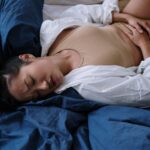
Do Lifestyle Habits Make Cramps Better Or Worse?
Some daily habits influence how severe cramps feel. The evidence is strongest for sleep and exercise, and more limited for some of the popular remedies.
Movement. Gentle to moderate exercise, such as walking, light cycling, or stretching, is associated with reduced period pain in some studies. Exercise is not a guaranteed fix, but it is low-risk and often helps. It does not need to be intense.
Sleep. Poor sleep is linked to more painful periods in some research. Protecting sleep in the days before and during a period is a reasonable, low-cost step.
Hydration and diet. Staying hydrated is sensible general advice. Claims that specific foods cure cramps are not well supported. Some people find reducing salt or caffeine helps bloating and discomfort, but this varies and is not established as a reliable treatment.
Smoking. Smoking is associated with more painful periods in observational research. Stopping is beneficial for many reasons beyond cramps.
What About Supplements And Herbal Remedies?
The evidence for supplements and herbs is mixed and generally weaker than for heat and NSAIDs. Some small studies suggest magnesium, vitamin B1, or certain herbal preparations may reduce cramp pain, but results vary and many trials are small. This is an area where marketing often outruns the science.
No clinical evidence currently confirms that most heavily advertised cramp supplements reliably work. If you are considering one, it is worth raising it with a clinician or pharmacist, especially if you take other medications or are pregnant or breastfeeding. No clinical guidelines currently exist for using these products specifically for period cramps in pregnancy or breastfeeding, so those groups should be especially cautious.
How To Help With Period Cramps: Relief Tips That Work
Putting it together, the approaches with the best support are straightforward and can be combined.
- Start pain relief early. Take an NSAID at the first sign of cramping if it is safe for you, rather than waiting for severe pain.
- Use heat. A heating pad or warm compress on the lower belly, with a cloth barrier, for comfort.
- Keep moving gently. A short walk or light stretching can ease tension.
- Protect sleep and hydration in the days around your period.
- Track your pattern. Noting when pain starts and what helps makes it easier to plan ahead each cycle.
Relief is often cumulative. Heat alone may take the edge off, but heat plus well-timed medication plus rest tends to work better than any single measure.
When Should You See A Doctor About Cramps?
Most period cramps are manageable at home. Some patterns deserve medical attention, and it is reasonable to seek care rather than assume pain is something to endure.
Consider seeing a clinician if cramps are severe enough to disrupt work, school, or daily life despite home measures; if pain is getting worse over time or starts later in life; if it occurs outside your period or during sex; or if you have heavy bleeding, fever, or unusual discharge alongside the pain.
These signs can point to conditions such as endometriosis or fibroids, which are common and treatable but often underdiagnosed. Getting evaluated is not a sign of weakness. Pain that does not respond to standard relief is information worth acting on.
Frequently Asked Questions
What is the fastest way to relieve period cramps?
Heat applied to the lower abdomen and an NSAID taken early in the cramping are among the fastest reliable options. Combining the two tends to work better than either alone.
Does exercise help period cramps?
Some studies suggest gentle to moderate exercise is associated with less period pain, though results vary between people. It is low-risk and worth trying.
Are period cramps a sign something is wrong?
Usually not. Common cramps are a normal response to prostaglandins, but pain that is severe, worsening, or unresponsive to home relief should be checked by a clinician.
Can supplements cure period cramps?
No clinical evidence currently confirms that supplements reliably cure cramps, and study results are mixed. Discuss any supplement with a clinician or pharmacist first.
