
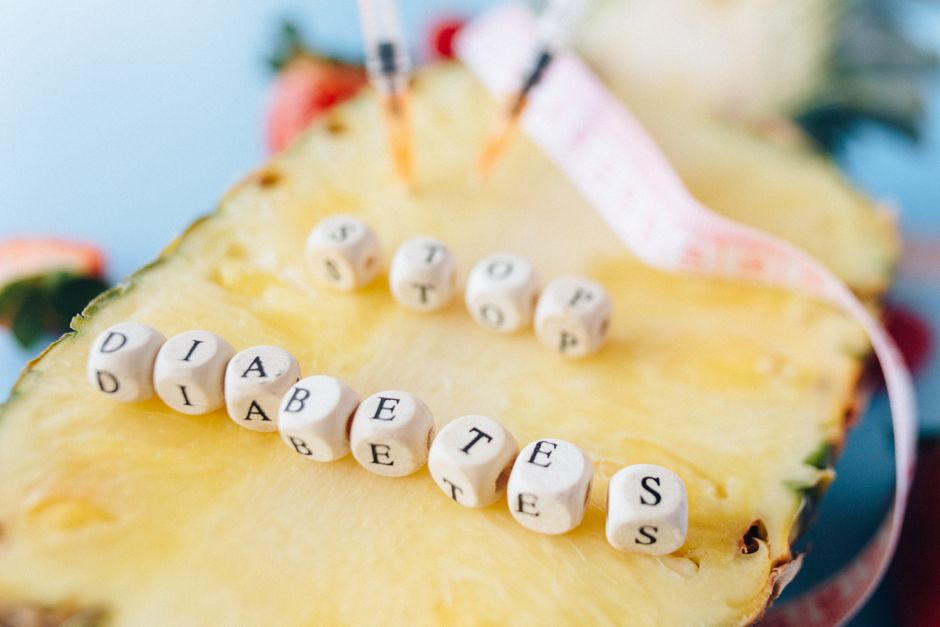
Your blood sugar rises after you eat. That part is normal and unavoidable. What you can change is how high it climbs and how long it stays there. Eight strategies have solid evidence behind them: walking after meals, eating protein and fiber before starchy foods, choosing lower-glycemic carbohydrates, losing excess weight, getting enough sleep, managing stress, staying hydrated, and limiting alcohol. None of these is a cure for diabetes. Together they can meaningfully lower blood glucose, especially for people with prediabetes or type 2 diabetes.
How To Drop Your Blood Sugar 8 Ways That Work
Each of these eight approaches targets a different part of glucose control. Some work within minutes. Others take weeks or months to show their full effect. Most people benefit from combining several rather than relying on one.
1. Walk after meals
Working muscles pull glucose out of the bloodstream without needing much insulin. That is why a short walk after eating blunts the post-meal spike. Research published in the journal Sports Medicine found that light activity after a meal lowers blood sugar compared with sitting still.
Ten to fifteen minutes is enough to see an effect. Timing matters more than intensity. A gentle walk right after dinner does more for post-meal glucose than a hard workout hours later.
2. Eat protein and fiber before starchy foods
The order you eat food in changes how fast glucose enters your blood. Eating vegetables and protein first, then carbohydrates last, slows stomach emptying and flattens the post-meal rise. Some studies show a smaller glucose spike with this sequence than with eating the same meal in the reverse order.
This is not a gimmick. It reflects how digestion works. Fat, protein, and fiber all slow the rate at which carbohydrate reaches the small intestine. The total carbohydrate on your plate still matters most, but order is a free adjustment you can make at any meal.
3. Choose lower-glycemic carbohydrates
Not all carbs raise blood sugar equally. The glycemic index ranks foods by how quickly they raise glucose. Lentils, barley, oats, beans, and most whole fruits sit lower on that scale than white bread, white rice, and sugary drinks.
Whole fruits deserve a note. Fruit contains sugar, but the fiber in whole fruit slows absorption, and eating fruit is not linked to the same glucose spikes as drinking juice. Whole fruit is generally a better choice than fruit juice for anyone watching blood sugar.
4. Lose excess weight if you carry it
For people with excess body weight, losing some of it improves insulin sensitivity. This is one of the most consistent findings in diabetes research. The Diabetes Prevention Program, a large US trial, showed that weight loss through diet and activity sharply reduced progression from prediabetes to type 2 diabetes.
You do not need to reach an ideal weight to benefit. Modest loss helps. The effect comes from less fat in the liver and muscles, which improves how well insulin works.
5. Get enough sleep
Short sleep raises blood sugar the next day, even in healthy people. Studies have found that sleeping about four hours a night for several nights reduces insulin sensitivity. The body handles glucose less efficiently when it is sleep-deprived.
Most adults need seven to nine hours. If you routinely sleep less, improving sleep is a genuine glucose intervention, not just a comfort measure.
6. Manage chronic stress
Stress hormones like cortisol raise blood glucose. That is useful in short bursts and harmful when stress is constant. Chronic stress is linked to higher fasting glucose and worse glucose control over time.
The evidence for specific stress-reduction techniques on blood sugar is more limited than for diet and exercise. Some studies suggest that relaxation practices and structured stress management help. The honest position is that managing stress is reasonable and low-risk, but it is not a substitute for the strategies with stronger evidence.
7. Stay hydrated with water
Dehydration concentrates glucose in the blood. Drinking enough water supports kidney function and helps the body clear excess glucose through urine. Water is the right choice here. Sugary drinks do the opposite and raise blood sugar quickly.
8. Limit alcohol
Alcohol affects glucose in two directions. It can raise blood sugar when mixed with sugary drinks, and it can cause low blood sugar hours later by interfering with the liver’s release of glucose. For people on insulin or certain diabetes medications, this matters for safety. Limiting alcohol, or avoiding it, removes a source of unpredictable swings.
Which of These 8 Ways Has the Strongest Evidence?
Diet and physical activity carry the strongest evidence. Large trials consistently show that improving diet, increasing activity, and losing modest weight lower blood glucose and reduce progression to type 2 diabetes. Sleep and stress management have real supporting evidence but less of it, and mostly from smaller studies.
Hydration and alcohol limits are sensible and low-risk, but they are supporting measures rather than primary drivers of glucose control. The table below gives a rough sense of how these compare.
| Strategy | Speed of effect | Strength of evidence |
|---|---|---|
| Walking after meals | Minutes to hours | Moderate to strong |
| Food order (protein and fiber first) | Within a single meal | Moderate |
| Lower-glycemic carbs | Days to weeks | Strong |
| Weight loss | Weeks to months | Strong |
| Sleep | Days | Moderate |
| Stress management | Weeks | Limited to moderate |
| Hydration | Hours | Limited |
| Limiting alcohol | Variable | Limited to moderate |
What Actually Raises Blood Sugar Most?
Refined carbohydrates and sugary drinks raise blood sugar fastest. A can of regular soda delivers a large dose of sugar with no fiber, fat, or protein to slow it down. White bread, white rice, and sweets behave similarly, though less dramatically than liquid sugar.
Portion size matters as much as food choice. A large serving of a low-glycemic food can still raise glucose more than a small serving of a higher-glycemic one. Total carbohydrate at a meal is the biggest single lever.
Physical inactivity is the other major factor. Sitting for long stretches after eating lets glucose stay elevated longer than it would if you moved. Standing up and moving, even briefly, changes that.



Do These Strategies Replace Diabetes Medication?
No. If you take medication for diabetes, these strategies support your treatment but do not replace it. Never stop or change a prescribed medication without talking to your clinician. Doing so can cause dangerous swings in blood sugar.
Lifestyle changes can lower the dose a person needs over time. That decision belongs to you and your clinician, based on monitored glucose readings and lab results. Some people with type 2 diabetes reduce or stop medication under medical supervision after sustained lifestyle change. That is a clinical decision, not a self-directed one.
If you have type 1 diabetes, these strategies can help with glucose control, but insulin is essential and dosing must be managed carefully with your care team.
How Fast Can You Lower Blood Sugar Naturally?
Some effects are immediate. A walk after a meal can lower glucose within minutes. Changing food order at a meal changes that meal’s spike. Drinking water instead of soda lowers the glucose load of that drink right away.
Bigger changes take longer. Improved insulin sensitivity from weight loss and regular activity builds over weeks to months. Sleep improvements show up over days. There is no safe way to drop blood sugar dramatically overnight through lifestyle alone, and trying to do so is not the goal. Steady, sustainable change is what the evidence supports.
If your blood sugar is very high and you have symptoms like extreme thirst, frequent urination, confusion, or fatigue, that is a reason to seek medical care promptly, not to try home strategies first.
Frequently Asked Questions
What is the fastest way to lower blood sugar after a meal?
A short walk after eating is one of the quickest ways to blunt a post-meal spike. Even ten minutes of light movement helps working muscles take up glucose.
Does drinking water lower blood sugar?
Staying hydrated helps the kidneys clear excess glucose through urine, and replacing sugary drinks with water removes a major glucose source. Water alone will not dramatically lower blood sugar.
Can you lower blood sugar without medication?
Many people with prediabetes or mild type 2 diabetes improve glucose control through diet, activity, weight loss, and sleep. Anyone already on diabetes medication should not stop it without medical guidance.
Does eating food in a certain order affect blood sugar?
Yes. Eating vegetables and protein before starchy carbohydrates slows digestion and produces a smaller glucose rise than eating the same foods in reverse order.
