
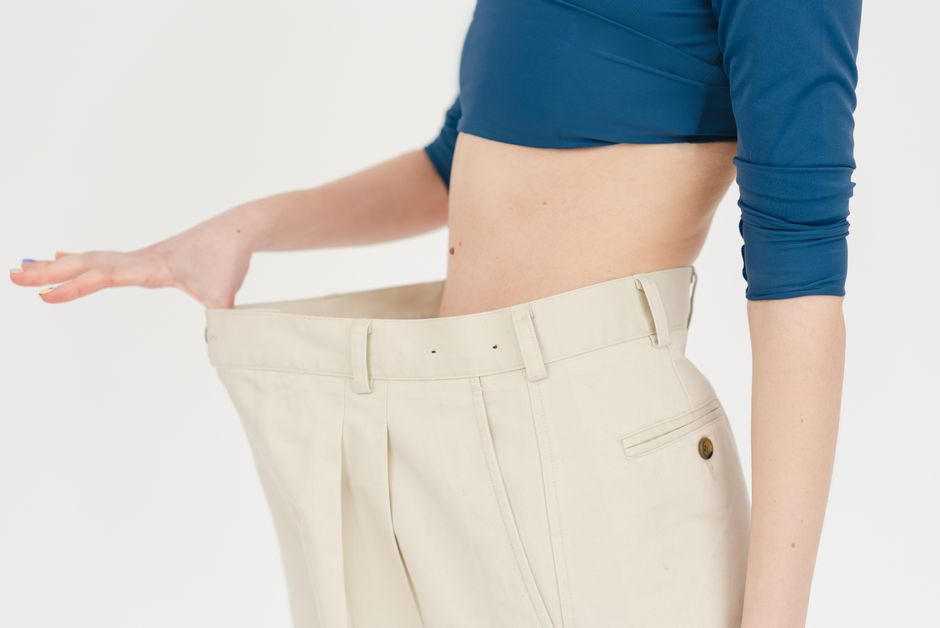
Dressing to cover belly fat comes down to three things: fabric that skims instead of clings, seams and structure that sit away from your midsection, and colors that draw the eye up or down rather than across. High-rise waistbands, fluid draping fabrics, and open vertical layers like cardigans or long vests do the most work. Anything tight, shiny, or cropped at the widest point of the stomach will emphasize exactly what you are trying to soften.
None of this changes your body. It changes how fabric interacts with your shape. That distinction matters, because the goal is not to hide a flaw. It is to build outfits that look intentional and feel comfortable, which is a different and more achievable target.
Why Do Some Fabrics Make Belly Fat Look Worse?
Fabric has a mechanical job. It either follows the contours underneath it or it holds its own shape. Those two behaviors produce opposite visual results.
Thin, stretchy knits follow every curve. A jersey t-shirt or a rayon blend clings at the widest point of the abdomen and then relaxes below it. That contrast creates a visible outline of the stomach. The fabric is not the problem by itself. The problem is that it has no structure of its own, so it reports the shape underneath in detail.
Structured fabrics behave differently. They bridge across a curve instead of tracing it. Cotton poplin, linen blends, wool suiting, ponte, and heavier crepe hold a line away from the body. That is why a tailored shirt in a crisp cotton reads differently from a t-shirt in the same color.
Shine adds another variable. Satin, sateen, and any fabric with a sheen reflect light unevenly across a curved surface. The highlights land on the highest points, which visually enlarges them. Matte finishes scatter light more evenly and read flatter.
There is a counterintuitive point here worth stating plainly. Very loose, oversized clothing often makes the midsection look larger, not smaller. When a garment is far wider than the body, the eye cannot tell where the body ends and the fabric begins. The silhouette becomes the volume of the cloth. Fit that skims within a small distance of the body usually reads slimmer than fit that billows.
Which Waistlines and Seams Work Best?
Where a waistband sits changes the entire proportion of an outfit. This is the single highest-leverage decision in dressing around a midsection.
A waistband that cuts across the widest part of the stomach creates a horizontal line exactly where you do not want attention. Low-rise styles sit below the stomach and can create a soft overhang above the band. Mid-rise styles land at the widest point for many people. High-rise styles, meaning those that sit at or near the natural waist, often land above the widest part and create a cleaner vertical line.
This is not universal. Where the stomach is widest varies from person to person, and the right rise is the one that sits above that point rather than across it. Trying on several rises in the same garment is more useful than following a rule.
Seams matter as much as waistbands. A side seam that pulls is a sign the garment is too small, and pulling creates horizontal tension lines. Vertical seams, princess seams, and long darts create vertical lines that the eye follows up and down. Vertical lines read as length.
Wrap styles deserve specific mention. A true wrap dress or top creates a diagonal line across the torso and usually ties at the natural waist. Diagonal lines interrupt the horizontal width of the midsection. The catch is that the wrap must actually stay closed. If it gapes, it draws attention to the gap.
What Necklines and Tops Draw Attention Upward?
Attention follows contrast. If the most interesting part of an outfit sits near your face, that is where people look.
V-necks, scoop necks, and open collars create a vertical opening at the chest. That opening draws the eye upward and lengthens the neck. A high, tight crew neck can visually compress the upper body and push attention down toward the torso.
Prints and detail near the shoulders or neckline work the same way. A scarf, a statement earring, a textured collar, or a patterned blouse with detail at the top all pull focus upward. This is not a trick so much as how visual attention works.
For tops specifically, length matters more than most people expect. A top that ends at the widest part of the stomach creates a horizontal line there. A top that ends below the widest part, or that tucks in cleanly, avoids that line.
Tucking is worth addressing because it is often avoided for the wrong reasons. A full tuck into a high-rise waistband can look intentional and clean. A partial front tuck, sometimes called a French tuck, creates a diagonal and defines the waist without pulling fabric tight across the stomach. A fully untucked long top over a high-rise bottom can work too, as long as the top has some structure.




How Should You Layer to Cover Belly Fat?
Layers are the most flexible tool available, because they let you add vertical lines and structure without adding bulk at the waist.
An open cardigan, long vest, duster, or unbuttoned jacket creates two vertical lines down the front of the body. Those lines frame the torso and make it read narrower. The key is that the layer stays open. A cardigan buttoned closed simply becomes another garment that follows the stomach.
Length is the deciding factor. A layer that ends right at the widest part of the stomach adds a horizontal line there. A layer that ends above the waist or well below the hip avoids that problem. Longer layers generally give more of a vertical effect.
Fabric weight matters in layering. A heavy, stiff layer adds real volume. A medium-weight layer with some drape adds structure without bulk. Very thin layers add a line but little structure.
One caution about belting. Cinching a belt at the natural waist over a loose top can work, but a belt worn across the widest part of the stomach usually emphasizes it. If you belt, belt high.
Do Colors and Patterns Really Make a Difference?
Color and pattern affect perceived shape, though the effect is smaller than fit and fabric. They are worth using, but they are not the main lever.
Dark, matte colors absorb light and tend to read as receding. This is a real perceptual effect, not a myth. But a dark clingy knit still clings, and a dark garment with a waistband across the stomach still creates that line. Color supports good fit. It does not replace it.
Monochrome dressing, where the top and bottom are close in color, removes the horizontal line created by a contrast between top and bottom. That uninterrupted vertical run of color can make the torso read longer.
Pattern size matters more than pattern presence. Large-scale prints and horizontal stripes tend to emphasize width. Small-scale prints and vertical or diagonal patterns tend to be more forgiving. Diagonal patterns, including some wraps and asymmetrical designs, interrupt horizontal width.
| Choice | Generally works | Generally works against you |
|---|---|---|
| Fabric | Matte, medium-weight, some structure | Thin clingy knits, high shine |
| Waistband | Sits above the widest point | Cuts across the widest point |
| Layers | Open, vertical, ends away from stomach | Buttoned closed, ends at stomach |
| Pattern | Small scale, vertical or diagonal | Large scale, horizontal stripes |
What About Shapewear and Undergarments?
Shapewear can smooth the line under clothing, and that is a real effect. It does not change body composition, and it does not replace good fit. It is a tool for a smoother silhouette under a specific garment, not a solution on its own.
Comfort and safety matter here. Garments that are too tight can cause discomfort, restrict breathing, and cause skin irritation or digestive discomfort. Anything that leaves marks, makes it hard to breathe normally, or causes pain is too tight and should not be worn for long periods.
Well-fitted undergarments do more than most people expect. A bra that fits properly lifts the bust and creates space between the bust and the waist, which changes the line of the torso. This is one of the most overlooked factors in how clothing falls.
Seamless, matte undergarments prevent visible lines under fitted clothing. Visible lines break up a smooth silhouette and draw the eye to exactly the wrong place.
Does Clothing Fix the Underlying Issue?
No. Clothing changes how a body looks in a specific outfit. It does not change what is underneath.
If the goal is to reduce belly fat itself, that is a separate question with a separate evidence base. Body fat distribution is influenced by genetics, hormones, age, and overall energy balance. Spot reduction, meaning losing fat from one area by exercising that area, is not supported by the evidence. Abdominal exercises strengthen abdominal muscles but do not selectively remove fat from the stomach.
This is not a reason to skip the clothing question. Looking put-together in what you wear today is a legitimate goal on its own, and it is achievable immediately. The two goals are not in conflict.
One practical note: bodies change, and a wardrobe that fit well a few years ago may not fit well now. Buying a few well-fitting pieces in structured fabrics often does more for how clothing looks than any styling technique applied to clothes that do not fit.
Frequently Asked Questions
What is the best way to dress to cover belly fat?
Choose structured, matte fabrics that skim rather than cling, and pick waistbands that sit above the widest part of your stomach. Add an open vertical layer like a cardigan or long vest to create length.
Do high-waisted pants hide belly fat?
High-rise waistbands often land above the widest point of the stomach, which creates a cleaner line than a band cutting across it. The right rise depends on where your stomach is widest, so try several.
Does black really make you look thinner?
Dark matte colors tend to recede visually, which can make the torso read smaller. The effect is smaller than fit and fabric, and a clingy black top still clings.
Is shapewear safe to wear every day?
Occasional wear is generally fine, but garments tight enough to restrict breathing, cause pain, or leave marks are too tight. Discomfort is a signal to size up or wear it less.
