
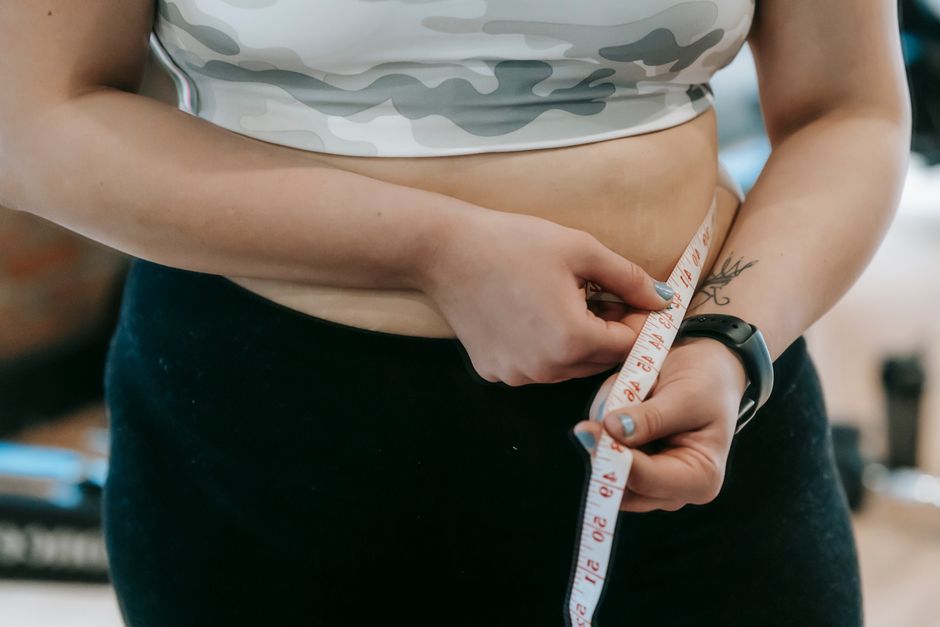
Belly fat is stubborn, and exercise is one of the few tools that genuinely helps. But not all exercise works the same way. The most effective approach combines steady-state cardio, high-intensity intervals, and strength training. Spot reduction—trying to burn fat only from your belly—is a myth. Fat loss happens across your whole body, and your midsection is often the last place to change. The real answer is consistency with a varied routine, paired with a calorie-controlled diet.
Why Belly Fat Is So Stubborn
Belly fat is not just one type of fat. You have subcutaneous fat, which sits just under the skin and feels soft. You also have visceral fat, which wraps around your organs deep inside your abdomen. Visceral fat is the more dangerous type. It is linked to higher risks of heart disease, type 2 diabetes, and other metabolic problems.
Visceral fat is also more metabolically active. It releases inflammatory chemicals into your bloodstream. This is why carrying excess weight around your middle is a stronger health warning than fat stored in other areas. The good news is that visceral fat responds well to exercise. Studies consistently show that aerobic exercise reduces visceral fat even when overall weight loss is modest.
Subcutaneous fat is harder to lose. It is the fat you can pinch. It tends to be more resistant to breakdown, which is why your belly may look the same even after you lose weight elsewhere. This is normal physiology, not a sign that your efforts are failing.
Does Spot Reduction Actually Work?
No. Spot reduction is not supported by research. Doing hundreds of crunches will strengthen your abdominal muscles, but it will not selectively burn the fat layer covering them. Fat loss is systemic. When you are in a calorie deficit, your body draws from fat stores all over, not just the area you are working out.
Genetics largely determine where you lose fat first. Some people lose weight from their face and arms before their belly changes. Others lose belly fat relatively early but struggle with hips or thighs. You cannot override this pattern with exercise selection.
What abdominal exercises do help with is muscle tone. Stronger core muscles can improve posture and make your midsection appear firmer. But if a layer of fat covers those muscles, you will not see defined abs. Diet and overall fat loss are what reveal the muscle underneath.
What Type of Exercise Burns the Most Belly Fat?
Research consistently shows that aerobic exercise—also called cardio—is the most effective type of exercise for reducing visceral fat. Moderate-intensity steady-state cardio, like brisk walking, jogging, or cycling, burns calories and directly targets visceral fat stores.
High-intensity interval training, or HIIT, is also effective. HIIT involves short bursts of intense effort followed by brief recovery periods. For example, sprint for 30 seconds, then walk for 60 seconds, and repeat. Some studies suggest HIIT may reduce visceral fat faster than steady-state cardio in the same amount of time. The evidence is not conclusive enough to declare a clear winner, but both approaches work.
Strength training matters too. Muscle tissue burns more calories at rest than fat tissue. Building lean muscle raises your resting metabolic rate, which means you burn more calories throughout the day. Compound lifts like squats, deadlifts, and push-ups engage your core and build functional strength.
The most effective plan includes all three: steady-state cardio for calorie burn, HIIT for efficiency, and strength training for muscle preservation and metabolic boost.





How to Get Rid of Belly Fat Exercise: A Weekly Plan
A balanced weekly schedule does not need to be complicated. The goal is consistency over intensity. Here is a realistic framework that most healthy adults can follow.
On three to four days per week, do 30 to 45 minutes of moderate cardio. Brisk walking, jogging, swimming, or cycling all count. The pace should leave you slightly breathless but still able to hold a conversation.
On two days per week, do strength training. Focus on major muscle groups. Squats, lunges, push-ups, rows, and planks are excellent choices. Aim for two to three sets of eight to twelve repetitions per exercise.
On one to two days per week, add a HIIT session. Keep it short—15 to 20 minutes is plenty. The intensity should be high enough that you cannot maintain it for more than a minute at a time.
Rest days are not optional. Your muscles repair and grow during rest. Overtraining leads to injury and burnout, which will derail your progress faster than taking a day off.
If you are new to exercise, start with two days of cardio and one day of strength training per week. Build up gradually over several weeks. Consistency at a moderate level beats intensity that you cannot sustain.
Why Diet Matters More Than Exercise
Exercise alone rarely produces significant belly fat loss. The phrase “you cannot outrun a bad diet” is not just a saying—it is an accurate description of energy balance. Weight loss requires a calorie deficit, meaning you burn more calories than you consume.
Exercise increases the calories you burn, but dietary changes usually have a larger impact on creating that deficit. A single sugary drink can contain 150 to 200 calories. Burning that off requires roughly 20 minutes of brisk walking. It is far easier to skip the drink than to walk the extra distance.
Prioritize whole foods: vegetables, fruits, lean proteins, whole grains, and healthy fats. These foods are nutrient-dense and naturally lower in calories than processed alternatives. Protein is especially important because it preserves muscle mass during weight loss and increases satiety, helping you feel full longer.
Alcohol is a common hidden source of excess calories. Beer and sugary cocktails add calories without providing nutrients. Reducing alcohol intake is one of the simplest dietary changes that supports belly fat loss.
There is no single food or supplement that targets belly fat. Products claiming to “melt” belly fat are not supported by clinical evidence. Avoid them.
How Long Before You See Results?
Visible changes in belly fat typically take eight to twelve weeks of consistent exercise and dietary changes. This timeline varies widely based on starting weight, genetics, age, and how strictly you follow the plan.
Health improvements happen faster than visible changes. Blood pressure, cholesterol, and blood sugar levels can improve within weeks of starting an exercise program. Your energy levels and sleep quality often improve quickly as well. Do not rely on the mirror alone to measure progress.
Track progress with measurements, not just the scale. Waist circumference is a useful metric. A tape measure around your waist at the level of your navel gives you objective data. A reduction of one to two inches over several months is a realistic and meaningful goal.
Weight loss of one to two pounds per week is a safe, sustainable rate for most people. Faster weight loss is often muscle loss or water weight, not fat. Slow and steady produces results that last.
Common Mistakes That Stall Progress
One of the most common mistakes is doing endless abdominal exercises while ignoring cardio and diet. Crunches strengthen muscles but burn relatively few calories. You need the calorie burn from larger movements and sustained activity.
Another mistake is inconsistent effort. Exercising intensely for two weeks, then taking a month off, produces no lasting change. The body adapts to regular stimulus. Sporadic exercise does not create the sustained calorie deficit needed for fat loss.
Overestimating calorie burn is also common. A 30-minute workout might burn 200 to 300 calories, depending on intensity and body weight. People often reward themselves with a snack that contains more calories than they just burned. Track your intake honestly for at least a few weeks to understand your baseline.
Finally, do not ignore sleep. Poor sleep disrupts hunger hormones, increasing appetite and cravings for high-calorie foods. Research indicates that adults who sleep fewer than seven hours per night tend to carry more visceral fat. Prioritizing seven to nine hours of quality sleep supports every other effort you make.
Frequently Asked Questions
How many minutes of exercise do I need to lose belly fat?
At least 150 minutes of moderate-intensity cardio per week is the established baseline for health benefits and visceral fat reduction. Adding two strength training sessions and one HIIT session per week improves results.
Can I lose belly fat without doing crunches?
Yes. Crunches are not required for belly fat loss. Full-body exercises like squats, push-ups, and cardio are more effective because they burn more calories and engage your core naturally.
Is walking enough to get rid of belly fat?
Brisk walking can help, especially if you walk 30 to 60 minutes most days and maintain a calorie deficit. Walking alone may be insufficient for significant belly fat loss unless your diet is also controlled.
What is the best time of day to exercise for belly fat?
There is no best time. The best time is whenever you can be consistent. Some research suggests morning fasted cardio may increase fat oxidation, but total daily calorie burn matters more than timing.
