
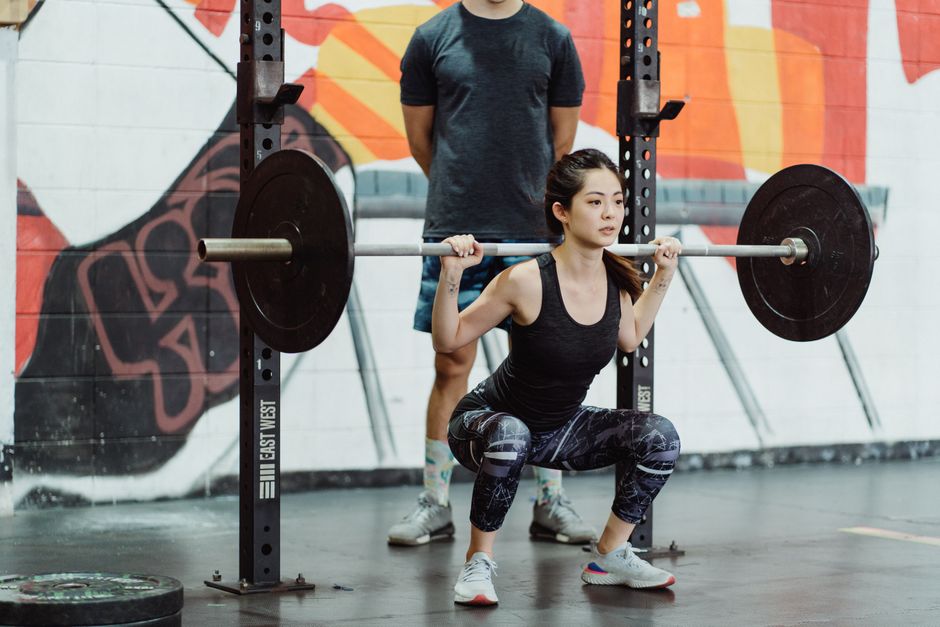
A squat is one of the most effective exercises you can do, but only if you perform it with proper form. To do a squat correctly, stand with your feet shoulder-width apart, push your hips back, and bend your knees to lower your body until your thighs are at least parallel to the floor, then drive through your heels to stand back up. Keep your chest up, your back neutral, and your weight evenly distributed across your whole foot throughout the entire movement.
Why Squat Form Matters More Than Weight
Your body is built to squat. It is a natural movement pattern that involves the hips, knees, and ankles working together. When you squat correctly, you strengthen your quadriceps, hamstrings, glutes, and core simultaneously. This makes the exercise highly efficient for building lower body strength and improving daily function.
Poor form changes everything. When your knees cave inward or your lower back rounds, the load shifts away from your muscles and onto your joints and spine. This does not just reduce the effectiveness of the exercise. It increases your risk of injury. Research consistently shows that maintaining a neutral spine and tracking your knees over your toes protects your joints while maximizing muscle activation.
Many people believe they need heavy weights to benefit from squatting. That is not true. Bodyweight squats performed with perfect technique build significant strength, especially for beginners. Mastering the movement pattern first allows you to add weight safely later.
How To Do A Squat Correctly: Step-By-Step
Start with your feet slightly wider than hip-width apart. Your toes should point forward or turned out slightly, about 5 to 15 degrees. Find what feels most natural for your hip structure. There is no single perfect stance width because everyone’s hip anatomy differs.
Take a deep breath into your belly and brace your core as if preparing for a light punch. This creates intra-abdominal pressure that stabilizes your spine. Begin the movement by pushing your hips backward, like you are sitting into a chair behind you. Do not lead with your knees.
As your hips move back, your knees will bend naturally. Keep your chest lifted and your gaze forward. Your back should remain in a neutral position, not arched excessively and not rounded. Lower yourself until your thighs are at least parallel to the ground, or as low as you can go while maintaining form.
Your knees should track in the same direction as your toes throughout the movement. If they drift inward, you are losing proper alignment. Push your knees out slightly as you descend to keep them in line.
Pause briefly at the bottom if you can maintain tension. Then drive through your entire foot, especially your heels and midfoot, to push the floor away and return to standing. Exhale as you rise. Squeeze your glutes at the top without overextending your lower back.
Common Squat Mistakes and How To Fix Them
Several form errors appear repeatedly, even among experienced lifters. Recognizing them is the first step to correcting them.
Knees Caving Inward
This is one of the most common issues. When your knees collapse toward each other during the descent or ascent, stress transfers to your knee ligaments. This often happens because of weak glutes or hip muscles. Focus on actively pushing your knees outward throughout the movement. Reducing the weight or depth can also help until you build the necessary strength.
Heels Lifting Off the Floor
If your heels rise as you squat, your weight is shifting forward onto your toes. This places excessive stress on your knees and reduces glute activation. It often indicates tight ankles or calves. Work on ankle mobility by performing calf stretches and ankle dorsiflexion exercises. During the squat itself, consciously press your heels into the floor and think about spreading the floor apart with your feet.
Rounding the Lower Back
When your lower back curves forward at the bottom of the squat, your spine loses its neutral position. This is called “butt wink” and it can strain the lumbar spine over time. It frequently results from poor core bracing or limited hip mobility. Shorten your depth until you can maintain a neutral spine. Strengthen your core with planks and other anti-extension exercises to improve your ability to brace.
Leaning Too Far Forward
If your torso collapses toward your thighs, the exercise becomes a poor forward bend rather than a squat. Your lower back takes on excessive load. This typically occurs when the hips do not move backward enough at the start. Initiate every rep by sitting your hips back, not by bending at the waist. Keeping your arms extended forward during bodyweight squats can help you balance and maintain an upright torso.



How Deep Should You Squat?
Squat depth is a topic of ongoing debate. The truth is that depth depends on your goals, mobility, and anatomy. A full-depth squat means lowering until your hips drop below your knees. A parallel squat means your thighs are level with the floor.
Research consistently shows that deeper squats produce greater activation in the glutes and inner quadriceps. However, not everyone has the ankle mobility, hip mobility, or limb proportions to squat deeply with a neutral spine. Forcing depth at the expense of form is never appropriate.
For general fitness and strength, squatting to at least parallel is a reasonable standard. If you can go deeper while maintaining a neutral spine and heels flat on the floor, you may benefit from doing so. If your back rounds or your heels lift before you reach parallel, work on mobility first. Do not chase depth at the cost of your spine.
Bodyweight Squat Variations To Build Strength
Once you have mastered the basic bodyweight squat, you can progress with variations that increase difficulty without requiring equipment.
- Pause squats: Hold the bottom position for 2 to 3 seconds before rising. This increases time under tension and improves your ability to stay controlled in the deepest part of the movement.
- Tempo squats: Lower yourself over 3 to 4 seconds, then rise normally. Slowing the descent removes momentum and forces your muscles to work harder through the full range of motion.
- Split squats: Stand in a staggered stance with one foot forward and one foot back. Lower your back knee toward the floor. This variation works each leg independently and challenges your balance.
- Jump squats: After mastering controlled squats, you can add an explosive jump at the top. Land softly with bent knees. This is a plyometric movement that builds power but places more impact on your joints.
Each variation changes the demands on your body. Start with the basic squat and only progress when you can perform 15 to 20 repetitions with perfect form. Some studies indicate that higher repetitions with bodyweight alone build muscular endurance effectively, while lower repetitions with added weight build maximal strength.
When To Add Weight To Your Squats
Adding weight too soon is a common mistake. Before you load the bar or pick up dumbbells, you should be able to perform 20 consecutive bodyweight squats with flawless technique. Your knees should track properly, your heels should stay flat, and your spine should remain neutral throughout every rep.
When you do add weight, start light. Hold a single dumbbell against your chest with both hands, a position called a goblet squat. This naturally encourages an upright torso and proper depth. Alternatively, hold dumbbells at your sides. Begin with a weight you can lift for 10 to 12 repetitions while maintaining perfect form for all reps.
Increase the weight gradually over weeks, not days. The goal is progressive overload, which means consistently challenging your muscles slightly more over time. This is how strength gains occur. But the load must never compromise your technique. If you cannot maintain form for every repetition, the weight is too heavy.
If you have a history of knee, hip, or back issues, consult a physical therapist or qualified trainer before adding significant load. They can assess your individual mechanics and recommend appropriate progressions.
Frequently Asked Questions
How many squats should I do per day?
For beginners, 3 sets of 10 to 15 repetitions performed 2 to 3 times per week is a reasonable starting point. Rest at least 48 hours between lower body strength sessions to allow your muscles to recover.
Should my knees go past my toes when squatting?
Yes, it is safe for your knees to travel past your toes if your heels stay flat and your form remains controlled. The belief that knees must never pass the toes is outdated and not supported by current research.
Can squats hurt your knees?
Squats performed with proper form do not damage healthy knees and can actually strengthen the muscles that support the joint. Knee pain during squats usually indicates a form issue, excessive load, or an underlying condition that needs evaluation.
Is it better to squat on a Smith machine or with free weights?
Free weights allow your body to move naturally and require more stabilization from your core and supporting muscles. Smith machines lock you into a fixed path that may not match your natural movement pattern, which can increase injury risk for some people.
