
Spontaneous bacterial peritonitis (SBP) is a serious infection of the fluid in the abdomen, called ascitic fluid. It happens in people with liver disease and fluid buildup. Diagnosing it quickly matters because it can be life-threatening. The diagnosis depends on two main tests: a cell count and a culture of the fluid. The key number is the polymorphonuclear (PMN) cell count. A PMN count of 250 cells per cubic millimeter or higher is the standard cutoff for diagnosis, even if the culture has not come back yet.
What Is Spontaneous Bacterial Peritonitis?
SBP is an infection of ascitic fluid with no obvious source in the abdomen. It is not caused by a hole in the bowel or an abscess. The infection starts when bacteria travel from the gut into the fluid. This happens more easily in people with advanced liver disease, especially cirrhosis.
People with cirrhosis often have a weakened immune system. Their gut lining may also let bacteria pass through more easily. Once bacteria reach the ascitic fluid, the fluid’s natural defenses are often too weak to stop them. This leads to infection and inflammation.
SBP is a medical emergency. Without treatment, it can lead to kidney failure, shock, and death. Early diagnosis and antibiotics are essential.
Why the PMN Count Is the Gold Standard
The PMN count is the most important test for SBP. PMNs are a type of white blood cell, also called neutrophils. They increase when there is an infection. In SBP, the PMN count in the ascitic fluid rises sharply.
The diagnostic threshold is clear: 250 PMN cells per cubic millimeter (mm³) or higher means SBP is present. This is true even if the fluid culture is negative. In fact, up to 60 percent of SBP cases have negative cultures. This condition is called culture-negative neutrocytic ascites, but it is treated the same as SBP.
This cutoff is not arbitrary. Research has shown it is the most accurate point for identifying true infection. Lower counts may be normal or caused by other conditions. Higher counts almost always mean infection.
How the Ascitic Fluid Sample Is Collected
The fluid is collected through a procedure called paracentesis. A needle is inserted through the skin into the abdominal cavity. The fluid is drawn out into sterile tubes.
Paracentesis is done at the bedside. It takes about 15 to 20 minutes. The patient lies on their back, and the skin is cleaned with antiseptic. Local numbing medicine is used to reduce pain.
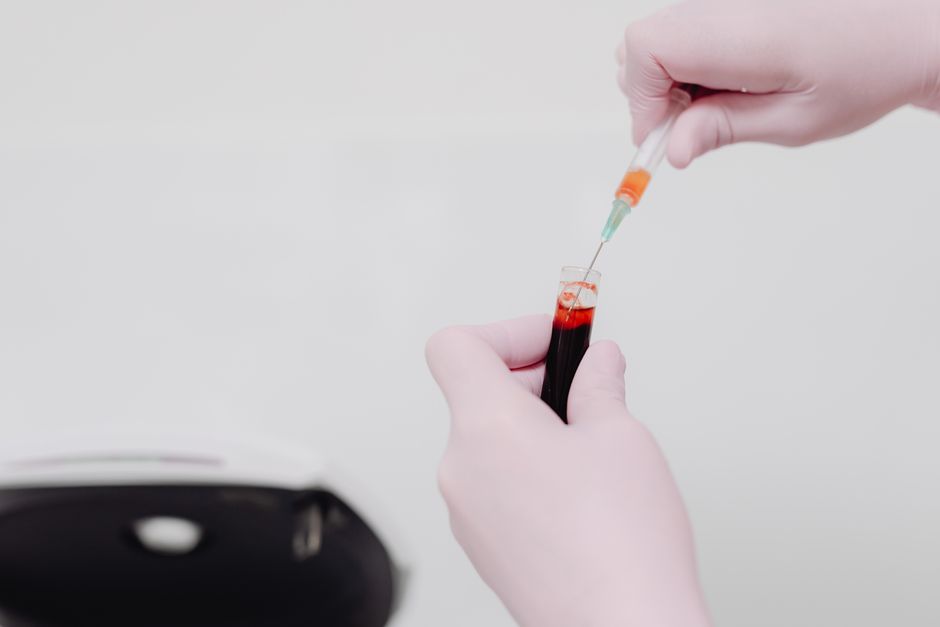
Several tubes of fluid are collected. One tube goes to the lab for a cell count. Another goes for culture. The culture tube should be inoculated at the bedside with blood culture bottles. This improves the chance of finding the bacteria.





Who Needs a Paracentesis for SBP Testing?
Not everyone with ascites needs a paracentesis. The decision depends on symptoms and risk factors. Guidelines recommend testing when a person with ascites develops any of the following:
- Fever or chills
- Abdominal pain or tenderness
- Confusion or altered mental status
- Low blood pressure
- Rapid worsening of kidney function
- Gastrointestinal bleeding
Some experts also recommend testing all people admitted to the hospital with ascites. This is because SBP can be present without obvious symptoms. This is called “screening paracentesis.” It is common practice in many hospitals.
What the Cell Count Results Mean
The lab reports two numbers: the total white blood cell count and the PMN count. The PMN count is the one that matters for diagnosis.
Here is how the results are interpreted:
- PMN count below 250/mm³: SBP is unlikely. The fluid is not infected.
- PMN count of 250/mm³ or higher: SBP is diagnosed. Antibiotics should start immediately.
- PMN count above 500/mm³: This is a stronger sign of infection. It may also suggest a more severe case.
A high PMN count cannot tell you which bacteria caused the infection. It only confirms that infection is present. The culture identifies the specific bacteria.
Why Cultures Are Still Important
The PMN count tells you the patient has SBP. The culture tells you which bacteria caused it. This matters for choosing the right antibiotic.
Common bacteria include E. coli, Klebsiella, and Streptococcus species. These normally live in the gut. Less common bacteria include Enterococcus and Staphylococcus.
Culture results take 24 to 48 hours. Treatment should not wait for them. Antibiotics are started based on the PMN count alone. The culture is used to adjust antibiotics later if needed.
Some hospitals now use molecular testing to identify bacteria faster. These tests look for bacterial DNA in the fluid. They are faster than cultures but are not yet standard everywhere.
Conditions That Can Mimic SBP
A high PMN count is not always caused by SBP. Other conditions can raise the PMN count in ascitic fluid. These include:
- Secondary bacterial peritonitis: This is caused by a hole in the bowel or an abscess. It requires surgery, not just antibiotics.
- Pancreatitis: Inflammation of the pancreas can cause fluid buildup with high PMN counts.
- Tuberculous peritonitis: A chronic infection that can mimic SBP.
- Peritoneal carcinomatosis: Cancer spread to the lining of the abdomen.
Doctors look for clues that suggest these other conditions. For example, a very high PMN count above 1000/mm³ may suggest secondary peritonitis. Multiple types of bacteria on culture also suggest secondary peritonitis. Imaging tests like CT scans can help find the cause.
How SBP Is Treated After Diagnosis
Treatment starts immediately after the PMN count confirms SBP. Antibiotics are given intravenously. The most common choice is a third-generation cephalosporin, such as cefotaxime. This covers most gut bacteria.
Treatment usually lasts five to seven days. The patient is monitored closely. A repeat paracentesis may be done after 48 hours to check if the PMN count is dropping. If it is not dropping, the antibiotics may need to be changed.
Albumin is often given intravenously along with antibiotics. Albumin is a protein that helps keep fluid in the blood vessels. It reduces the risk of kidney failure, a common complication of SBP. Research has shown that albumin reduces the risk of death in SBP patients.
Preventing SBP in High-Risk Patients
People who have had SBP once are at high risk of getting it again. Preventive antibiotics are often recommended for them. This is called secondary prophylaxis. It is usually continued long-term or until liver transplantation.
People with very low protein levels in their ascitic fluid may also be candidates for preventive antibiotics. This is called primary prophylaxis. The decision is made on a case-by-case basis.
The most common preventive antibiotic is norfloxacin, an oral antibiotic. It reduces gut bacteria, which lowers the risk of infection. Other options include trimethoprim-sulfamethoxazole and ciprofloxacin.
Frequently Asked Questions
What is the PMN cutoff for diagnosing SBP?
The PMN cutoff is 250 cells per cubic millimeter (250/mm³) of ascitic fluid. A count at or above this level confirms SBP, even if the culture is negative.
How long does it take to get ascitic fluid results?
The cell count and PMN count are usually available within one to two hours. Culture results take 24 to 48 hours.
Can SBP be diagnosed without a paracentesis?
No. Paracentesis is the only way to confirm SBP. Blood tests and imaging cannot replace the fluid analysis.
What happens if the PMN count is high but the culture is negative?
This is called culture-negative neutrocytic ascites. It is treated the same as SBP with antibiotics because the infection is still present.
