
Diagnosing Irritable Bowel Syndrome (IBS) in a child is a process of careful listening, pattern recognition, and ruling out other conditions. Doctors do not rely on a single test. Instead, they look for a specific pattern of symptoms, use established diagnostic criteria, and run limited tests to make sure nothing more serious is going on. The diagnosis is based on what the child reports, what parents observe, and a physical exam that is usually normal.
What Are the Core Symptoms Doctors Look For?
IBS is a disorder of the gut-brain interaction. The gut and the brain communicate constantly, and in IBS this communication is disrupted. This leads to changes in how the bowel moves and how pain is perceived, without any visible damage to the intestinal tissue.
Doctors look for two main symptom groups. The first is abdominal pain. The pain must be recurrent, meaning it comes and goes over time. The second is a change in stool habits. This can mean diarrhea, constipation, or a mix of both.
For a diagnosis, the pain must be related to bowel movements. This means the pain gets better or worse after the child poops. The child may also notice that the pain is linked to changes in how often they go to the bathroom or how the stool looks.
How To Diagnose Ibs In A Child What Doctors Look For
Pediatricians use specific clinical criteria called the Rome IV criteria. These are an internationally recognized set of guidelines for diagnosing functional gastrointestinal disorders, including IBS. They are the standard tool doctors use in practice.
For a child to meet the criteria, they must have abdominal pain at least four days per month. This pain must be associated with at least one of the following: it improves or worsens with defecation, it is linked to a change in stool frequency, or it is linked to a change in stool form or appearance. These symptoms must have been present for at least two months before the diagnosis is made.
The doctor will also classify the IBS by the child’s predominant stool pattern. IBS with constipation means hard or lumpy stools are the main issue. IBS with diarrhea means loose or watery stools dominate. Some children have a mixed pattern where both are common.
What Tests Are Usually Done?
IBS is a diagnosis of exclusion in many cases, but that does not mean a child will undergo dozens of tests. In most children who meet the Rome IV criteria and have no red flag signs, testing is minimal. A thorough history and physical exam are often enough.
The doctor may order basic blood work. A complete blood count can check for anemia or signs of infection. Celiac disease testing is common because its symptoms can overlap with IBS. Celiac disease is an autoimmune condition triggered by gluten, and it requires a different treatment plan, so ruling it out is important.
A stool test may be checked for blood or signs of inflammation. This helps rule out inflammatory bowel disease, which is a different condition with more serious implications. If these tests are normal and the symptom pattern fits, the doctor can make the IBS diagnosis with confidence.





What Are the Red Flag Symptoms?
Certain symptoms push the doctor away from an IBS diagnosis and toward more testing. These are called red flags. If any of these are present, the doctor will investigate further before settling on IBS.
- Blood in the stool
- Unintentional weight loss
- Fever
- Vomiting that is persistent
- Pain that wakes the child from sleep
- Failure to grow or gain height as expected
- Pain located away from the belly button area
These symptoms suggest a structural or inflammatory problem rather than a functional one. The presence of any red flag warrants a more extensive workup, which may include imaging or referral to a pediatric gastroenterologist.
It is also important to distinguish IBS from other functional disorders. Some children have functional abdominal pain that is not related to bowel movements. Others have functional constipation or functional diarrhea without significant pain. These are separate diagnoses with different management strategies.
How Does the Doctor’s Physical Exam Help?
The physical exam in a child with IBS is typically normal. That normal exam is actually useful information. It helps rule out masses, organ enlargement, or tenderness that would suggest a different problem.
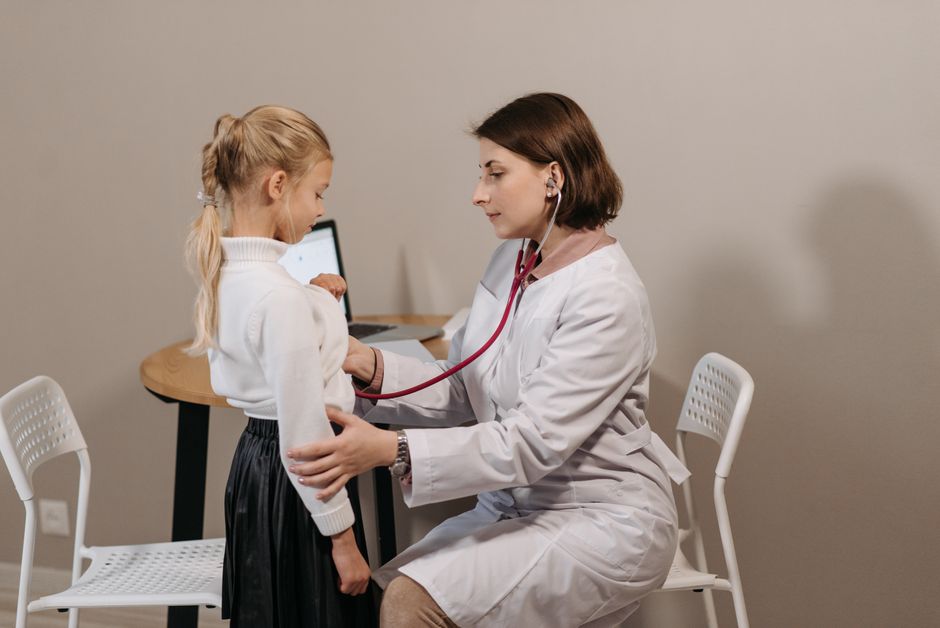
The doctor will press gently on the abdomen to check for pain or guarding. They may listen to bowel sounds with a stethoscope. They will assess the child’s overall appearance and growth. A child who looks well, is growing normally, and has a normal exam supports the IBS diagnosis.
The doctor will also ask about the child’s diet, stress levels, and any recent infections. Gastroenteritis can precede the onset of IBS. Some research suggests that a bout of infectious diarrhea can trigger persistent gut symptoms in some children, though this is not the case for everyone.
Why Is the History So Important?
The history is the most powerful diagnostic tool for IBS. Doctors spend significant time asking about the child’s symptoms in detail. They want to know when the pain started, how often it occurs, and exactly how it relates to pooping.
Parents are asked to describe stool consistency. The Bristol Stool Chart is often used. This chart categorizes stool into seven types, from hard lumps to entirely liquid. Types 1 and 2 indicate constipation. Types 6 and 7 indicate diarrhea. This provides a common language for the family and the doctor.
The doctor will also ask about school attendance, sports participation, and social activities. IBS can cause children to miss school or avoid activities due to fear of symptoms. This information helps the doctor understand the severity of the condition and its impact on daily life.
What Conditions Mimic IBS in Children?
Several conditions can look like IBS in a child. Celiac disease is a common one. It causes abdominal pain, bloating, and changes in stool. The screening blood test is simple and reliable, so it is routinely checked.
Inflammatory bowel disease, which includes Crohn’s disease and ulcerative colitis, also causes abdominal pain and diarrhea. The red flag symptoms of weight loss, blood in the stool, and fever help distinguish it from IBS. A stool test for calprotectin, a marker of intestinal inflammation, can help in this distinction.
Lactose intolerance is another possibility. It causes gas, bloating, and diarrhea after consuming dairy. The symptoms are directly linked to dairy intake, which is a key clue. A trial of avoiding lactose or a breath test can confirm this.
Constipation alone can sometimes be mistaken for IBS. In functional constipation, the child has infrequent, hard stools but may not have significant abdominal pain. The treatment differs, so getting the diagnosis right matters.
What Happens After the Diagnosis?
Once the diagnosis is made, the focus shifts to management. The doctor will explain that IBS is a real condition with real symptoms, even though tests are normal. This validation is an important part of care for both the child and the parents.
Treatment typically starts with lifestyle changes. Dietary adjustments, such as eating regular meals and staying hydrated, are first-line. For some children, reducing certain carbohydrates called FODMAPs may help, but this should be done with guidance from a dietitian. It is not a long-term diet but a short-term elimination approach.
Stress management is also relevant. The gut-brain connection means that anxiety and stress can worsen symptoms. Simple relaxation techniques or cognitive behavioral therapy may be recommended for children with significant stress-related symptoms. Evidence for these approaches in children is growing but not as strong as the evidence in adults.
Medications are used less often in children than in adults. If symptoms are severe, a doctor may prescribe medications to manage constipation or diarrhea. Low-dose antidepressants are sometimes used to modulate pain perception, but this is reserved for more difficult cases and should be managed by a specialist.
Can a Child Outgrow IBS?
IBS in children can improve over time. The condition is chronic, meaning it can come and go over months or years. Some children experience long periods without symptoms. Others continue to have intermittent issues into adolescence and adulthood.
The prognosis is generally good. Most children with IBS continue to grow and develop normally. The condition does not lead to more serious intestinal diseases. It does not damage the bowel or increase the risk of cancer.
What matters most is that the child learns to manage symptoms effectively. This includes understanding triggers, maintaining regular eating habits, and developing coping strategies for stress. With these tools, most children can live full and active lives.
Frequently Asked Questions
Can a blood test diagnose IBS in a child?
No blood test can diagnose IBS directly. Doctors use blood tests to rule out other conditions like celiac disease or anemia, which helps support the IBS diagnosis.
How long do IBS symptoms need to last before diagnosis?
According to the Rome IV criteria, symptoms must be present for at least two months before a diagnosis is made. The child must also have abdominal pain at least four days per month during that time.
Does my child need a colonoscopy for IBS?
Colonoscopy is rarely needed to diagnose IBS in children. It is reserved for cases with red flag symptoms like blood in the stool, unexplained weight loss, or severe growth delay.
Is IBS in children caused by stress?
Stress does not cause IBS, but it can trigger or worsen symptoms. The condition involves a disruption in the gut-brain communication, and stress is one factor that can influence this pathway.
