
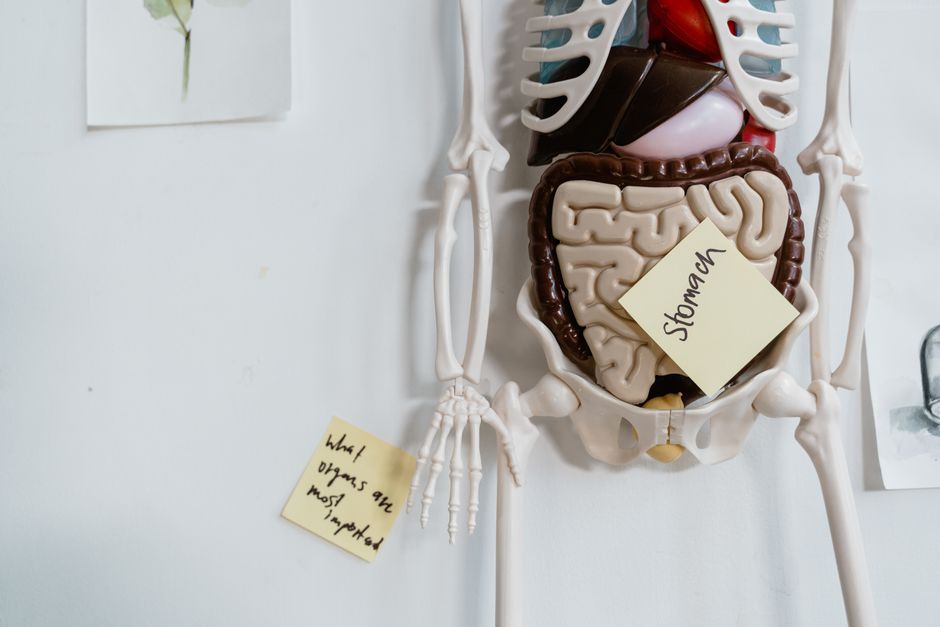
The pancreas is a small organ with two big jobs. For digestion, it makes and releases enzymes that break down the food you eat. These enzymes turn fats, proteins, and carbohydrates into nutrients your body can absorb. Without this digestive fluid, your body would struggle to get energy and building blocks from meals. The pancreas sits behind your stomach and works quietly every time you eat.
What Does the Pancreas Do for Digestion?
The pancreas produces pancreatic juice. This fluid flows through a small tube called the pancreatic duct into the upper part of the small intestine, known as the duodenum. Once there, the enzymes go to work on the food that has left your stomach.
Pancreatic juice contains several key enzymes. Lipase breaks down fats into fatty acids and glycerol. Proteases, like trypsin and chymotrypsin, split proteins into smaller pieces called amino acids. Amylase breaks carbohydrates into simple sugars. Each enzyme targets a specific nutrient group, so all three work together to cover the full range of what you eat.
The pancreas also releases bicarbonate. This is not an enzyme. Bicarbonate neutralizes stomach acid that enters the small intestine. The acid from your stomach is strong, and the intestine needs a less acidic environment for the enzymes to function properly. Without this balancing act, the digestive enzymes would not work as well.
How Does the Pancreas Know When to Release Enzymes?
The pancreas does not work randomly. It responds to signals from your body. When you see, smell, or chew food, nerve signals prepare the pancreas to start producing digestive juice. This is the first phase of pancreatic secretion, and it happens before food even reaches your stomach.
When food enters the stomach, stretching triggers more signals. The stomach also releases hormones that travel through the blood to the pancreas. One of these hormones is gastrin, which stimulates enzyme production. The real surge happens when food moves into the small intestine.
In the duodenum, the presence of fat and protein triggers the release of a hormone called cholecystokinin, or CCK. CCK tells the pancreas to release large amounts of digestive enzymes. Another hormone, secretin, responds to acid in the duodenum and tells the pancreas to release bicarbonate. This two-hormone system ensures the pancreas matches its output to what is actually in your digestive tract.
What Happens When the Pancreas Fails to Do Its Job?
When the pancreas cannot produce enough digestive enzymes, a condition called exocrine pancreatic insufficiency can develop. The medical abbreviation is EPI. In EPI, food passes through the intestine without being fully broken down. This leads to poor absorption of nutrients.
The most common signs of EPI include oily stools that float, frequent diarrhea, weight loss despite eating normally, and bloating. The stool often looks greasy and smells stronger than usual because undigested fat is passing through. People with EPI may also feel tired because they are not absorbing enough calories and vitamins.
Certain conditions cause EPI. Chronic pancreatitis, which is long-term inflammation of the pancreas, damages the enzyme-producing cells. Cystic fibrosis also affects the pancreas and is a leading cause of EPI in younger people. Blockages in the pancreatic duct, such as from tumors, can prevent enzymes from reaching the intestine.
EPI is treatable. Doctors prescribe pancreatic enzyme replacement therapy, often called PERT. These are capsules containing lipase, protease, and amylase taken with every meal and snack. The dose varies by person and by what they are eating. Larger meals with more fat require higher doses. When dosing is correct, symptoms improve and nutrient absorption returns to near normal.




How Does the Pancreas Compare to Other Digestive Organs?
The pancreas is sometimes overshadowed by the stomach and liver, but its role is distinct. The stomach mainly starts breaking down protein and kills bacteria with acid. It does not absorb many nutrients. The liver produces bile, which helps digest fat, but bile does not contain enzymes. Bile works more like a detergent, breaking fat into smaller droplets so lipase can act on them.
The pancreas is the only organ that produces enzymes for all three major nutrient types. It is also the main source of bicarbonate for the small intestine. The small intestine itself produces some enzymes, but these mostly finish the job on the surface of the intestinal lining. The heavy lifting happens with pancreatic enzymes.
Consider what happens if each organ fails. Stomach problems can cause discomfort but often still allow some digestion. Liver failure affects fat digestion but can be partially compensated. Pancreatic failure without treatment causes severe malnutrition because no other organ can replace its enzyme output.
Can Diet or Lifestyle Support Pancreatic Digestion?
A healthy pancreas does not need special foods to do its job. It responds automatically to what you eat. The best way to support pancreatic health is to avoid things that damage the organ over time.
Heavy alcohol use is a major risk factor for pancreatitis. Repeated episodes of acute pancreatitis can lead to chronic damage. Smoking also increases the risk of pancreatic disease. Maintaining a healthy body weight matters too, because obesity is linked to a higher risk of gallstones, and gallstones can block the pancreatic duct and trigger acute pancreatitis.
Some popular claims suggest that certain foods or supplements “cleanse” the pancreas or boost enzyme production. No clinical evidence supports these claims. The pancreas does not store toxins that need flushing. It makes enzymes on demand based on hormonal signals. Eating a balanced diet with adequate protein, healthy fats, and fiber supports overall health, but no specific superfood changes how the pancreas functions.
Digestive enzyme supplements sold over the counter are not the same as prescription PERT. These products vary widely in enzyme type and strength. Some contain plant or fungal enzymes that do not survive stomach acid well. For a healthy person, these supplements are unnecessary because the pancreas already makes enough enzymes. For someone with EPI, over-the-counter products are not strong enough to replace prescription therapy.
What Are the Warning Signs of Pancreatic Problems?
Digestive symptoms are not the only sign of pancreatic trouble. Pain is a common indicator. Acute pancreatitis typically causes severe upper abdominal pain that may radiate to the back. The pain often worsens after eating and can be accompanied by nausea and vomiting. This condition requires immediate medical attention.
Chronic pancreatitis causes persistent or recurring pain, along with digestive symptoms. Over time, the damage can also affect the pancreas’s other major job: making insulin. When insulin production drops, diabetes can develop. Some people first learn they have pancreatic problems when they develop diabetes without other risk factors.
If you notice oily stools, unexplained weight loss, or persistent abdominal pain, speak with a doctor. These symptoms can have many causes, but the pancreas should be evaluated. Simple blood tests can check for elevated pancreatic enzymes during an acute attack. Stool tests can measure fat content to assess for EPI. Imaging studies like CT scans or MRIs can show structural damage.
Frequently Asked Questions
Can you live without a functioning pancreas?
You cannot live without pancreatic enzymes, but you can live without a working pancreas if you take replacement enzymes and manage blood sugar. Surgical removal of the pancreas requires lifelong enzyme therapy and insulin treatment.
What foods are hardest on the pancreas?
Very fatty meals trigger the pancreas to release large amounts of enzymes, which can strain an already damaged organ. Fried foods, heavy cream sauces, and excessive alcohol are common triggers for people with pancreatic conditions.
Does drinking water help the pancreas digest food?
Water supports overall digestion by keeping things moving, but it does not directly increase pancreatic enzyme output. The pancreas needs adequate hydration to produce fluid, but drinking extra water will not make digestion more efficient.
How long does food stay in the small intestine for pancreatic enzymes to work?
Food typically spends several hours in the small intestine as pancreatic enzymes break it down. The exact time varies by meal composition, with fatty meals taking longer to digest than simple carbohydrates.
